Why Hospitals Should Hire a Professional Bird Removal Company
Hospitals work hard to maintain clean, safe surroundings, yet nuisance birds can quickly undermine those efforts. Roofs, entrances, loading docks, and mechanical areas often provide shelter that attracts recurring bird activity. Once birds settle in, droppings and nesting materials can create sanitation, safety, and property concerns. Cleaning the visible mess may help briefly, but it rarely addresses why the birds keep returning. Professional bird control tackles the source of the problem while supporting hospital operations and long-term facility care.
Why Bird Control Matters in Hospital Settings
Bird activity creates concerns that extend beyond appearance or routine property maintenance. Hospitals have busy entrances, sensitive building systems, service areas, and patients with different health needs. Once birds settle on the property, droppings and nesting debris can affect cleanliness, safety, and daily operations. Recurring activity may also lead to property damage and repeated maintenance costs. These conditions make early, professional intervention especially important in healthcare environments.
Controlling birds early helps facility teams prevent a manageable issue from spreading across more areas.
Why Hospitals Need Specialized Bird Removal
Recurring bird activity can affect more parts of a hospital property than managers initially expect. A problem that starts on a roof may eventually reach entrances, service areas, or mechanical systems. Specialized removal addresses these connected concerns through a planned property-wide approach.
The Root Cause Gets Properly Addressed
A visible flock often represents only one part of a larger problem. Birds remain because a property provides food, water, shelter, or protected nesting areas. Professional bird removal starts by identifying those conditions before any long-term control plan begins.
The Service Extends Beyond Removing Birds
Professional bird removal companies can identify the species, activity patterns, and property conditions involved. Specialists inspect nesting areas, roosting locations, food sources, and common access points. Depending on the findings, service may include removal, exclusion, deterrents, cleanup, or habitat changes. Legal protections and active nesting conditions can also affect the recommended approach. The goal extends beyond removing the birds that employees can currently see.
Detailed Inspections Reveal Hidden Activity
Hospitals contain roofs, signs, canopies, vents, and equipment that can shelter birds from view. Some species also return to locations where they have nested successfully before. Specialists look for droppings, feathers, nesting materials, and regular travel patterns. These findings show where activity begins and how birds move across the property. A clear picture of the problem allows the company to recommend more focused solutions.
Food and Water Sources Become Easier to Find
Birds rarely remain around a large property without reliable access to basic resources. Even small food sources can attract birds when they remain available every day. A bird control company examines these conditions alongside nesting and roosting locations. Facility managers can then correct property conditions that encourage repeat visits. Removing these attractions also strengthens the effectiveness of exclusion and deterrent measures.
Solutions Address More Than Visible Birds
Quick fixes can seem attractive when hospital managers want immediate relief from nuisance birds. However, generic devices often fail when nobody considers the species or building conditions. A lasting strategy combines the right methods with a clear understanding of bird behavior.
Bird Behavior Guides the Right Approach
Effective bird control depends on the species and the reason for its use of the property. A method that discourages one type of bird may have little effect on another. Nesting birds may also behave differently from flocks that use rooftops only for resting. Experienced specialists study the species before recommending a control method. This information guides decisions about exclusion, deterrents, and changes to the surrounding environment. A targeted approach avoids wasting money on products that birds quickly learn to ignore.
Problems Are Less Likely to Move Elsewhere
A poorly planned deterrent may push birds from one hospital area into another. Birds might leave an entrance canopy and settle near ventilation equipment instead. The location changes, but the property still has an unresolved bird problem. Professionals consider nearby roofs, ledges, signs, courtyards, and service areas together. This broader view helps prevent displaced birds from simply choosing another suitable location.
Hospital Grounds Stay Cleaner for Longer
Hospitals follow detailed cleaning practices, but exterior bird activity can complicate those efforts. Droppings and nesting materials may build up near entrances, service areas, and building openings. Professional control reduces recurring contamination, rather than leaving maintenance teams to clean the same areas repeatedly.
Building Openings Receive Better Protection
Birds frequently gather near windows, doors, vents, roof edges, and other sheltered structures. Droppings and nesting materials may then collect around these locations. Cleaning crews can remove the buildup, but the birds may return soon afterward. Specialists look for the access conditions that support continued activity. Suitable exclusion measures can then discourage birds from using those areas again.
Droppings and Debris Receive Careful Removal
Disturbing dry droppings can release dust and other particles into the surrounding area. Nests may also contain feathers, insects, and additional organic material. Professional crews assess the condition of the affected area before starting cleanup. They use suitable methods for the location and level of buildup. Proper removal also prepares the area for measures to prevent further accumulation.
Service Areas Become Easier to Maintain
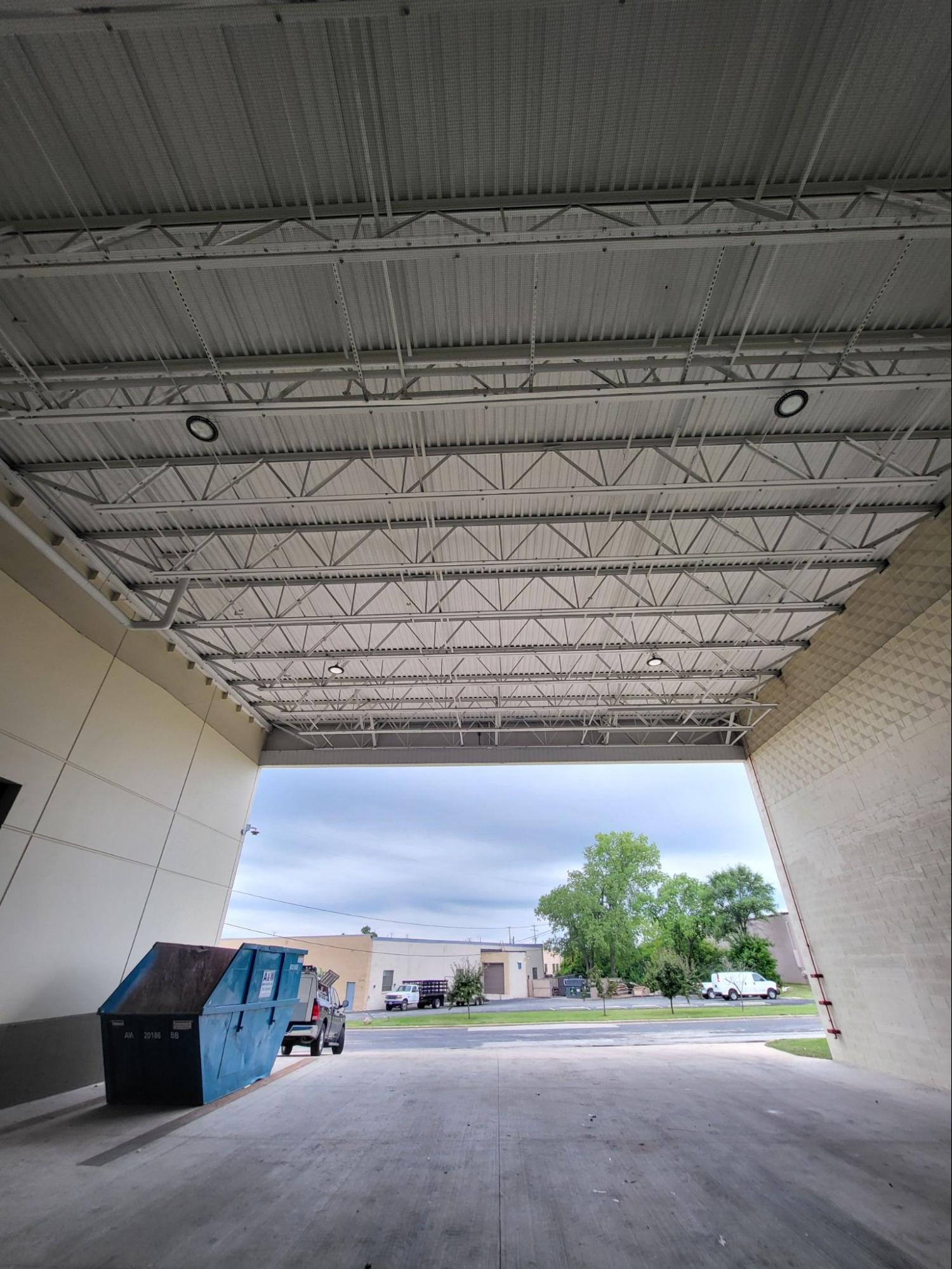
Loading docks and service entrances often provide everything nuisance birds need. Sheltered beams offer resting places, while waste containers and food deliveries may provide easy feeding opportunities. Once birds develop a routine, they may return to the same location every day. Droppings can then affect pavement, equipment, loading surfaces, and nearby materials. Bird control specialists address both the activity and the conditions supporting it.
Hospital Property Faces Less Damage
Bird waste becomes more than a cleaning concern when it accumulates over long periods. Droppings can stain surfaces, while nests and loose debris may interfere with drainage and rooftop systems. Early bird control can reduce the risk of larger maintenance problems later.
Exterior Materials Avoid Repeated Exposure
Professional bird control reduces repeated exposure to waste that can stain and deteriorate exterior materials. Hospital buildings often contain masonry, metal, glass, roofing, signs, and finished surfaces. Frequent droppings can leave stubborn stains and make routine maintenance more difficult. Cleaning may restore the surface, but birds can quickly create the same problem again. Specialists focus on the ledges and structures where birds regularly gather. Reducing that activity can help protect the property beyond the next scheduled cleaning.
Rooftop Systems Remain Easier to Maintain
Hospital rooftops contain equipment that supports ventilation, climate control, and other building functions. Birds may nest beside these systems because raised structures offer shelter and protection. Feathers and nesting debris can also collect near drains and mechanical components. Maintenance access becomes more difficult when droppings cover surrounding surfaces. Bird specialists identify the rooftop areas that need exclusion or deterrent measures.
Drains Face Fewer Bird-Related Blockages
Bird nests and loose debris can collect inside gutters, drains, and rooftop drainage paths. These blockages may prevent rainwater from leaving the roof as designed. Standing water can then place additional pressure on roofing materials and vulnerable areas of the building. Maintenance teams may not notice the cause until drainage problems become more serious. Professional inspections can identify nesting activity near these systems before larger problems develop.
Safety Hazards Receive Direct Attention
Hospitals receive visitors with different mobility levels and physical conditions every day. Bird droppings can make walking surfaces slippery, while active nests may create problems for nearby workers. Professional control addresses the source rather than relying solely on frequent cleanup.
Entrances and Walkways Stay Safer
Birds often perch directly above sidewalks, ramps, doorways, and covered drop-off areas. Waste can then fall onto surfaces used by patients, visitors, and employees. Wet droppings may create slippery patches that require immediate attention. Constant cleaning becomes difficult when birds continue using the same overhead structures. A professional service can target the roosting location rather than only the pavement below.
Staff Avoid Unplanned Bird Removal
Maintenance employees may encounter droppings, nests, feathers, and frightened birds during routine work. Unplanned removal can place workers in situations outside their normal duties and training. Birds may also defend active nesting areas when people approach too closely. Professional technicians follow suitable procedures for handling affected areas and different bird species. Their involvement reduces the need for hospital employees to improvise wildlife control.
Wildlife Requirements Are Properly Followed
Bird control involves more than choosing a product and removing an unwanted nest. Some bird species receive protection under federal, state, or local laws. A professional provider considers these requirements before disturbing birds, nests, eggs, or young.
Improper Removal Risks Are Reduced
Employees may act quickly when birds interfere with entrances or mechanical areas. However, removing a nest without identifying the species can create avoidable problems. Active nests may also require different handling than old or abandoned ones. Qualified specialists assess these conditions before starting physical removal. They can then adjust the timing or method when legal protections affect the work.
Humane Methods Support Better Results
Professional services select methods based on species behavior, property conditions, and legal requirements. Exclusion often stops access without requiring constant physical removal. Other locations may need habitat changes or carefully chosen deterrent systems. Specialists also consider active nesting periods before disturbing occupied areas. A responsible approach protects the hospital while supporting lawful wildlife management.
Daily Hospital Operations Face Less Disruption
Hospitals cannot stop normal activities whenever birds cause problems on the property. Emergency access, deliveries, patient movement, and employee traffic must continue during control work. Experienced commercial specialists plan their work around these operational demands.
Control Work Fits Around Critical Areas
Different parts of a hospital have different access and scheduling needs. Emergency entrances cannot receive the same treatment as isolated rooftop structures. Loading areas also require careful timing because deliveries continue throughout the day. Professional technicians review these conditions before scheduling equipment and installation work. Larger projects can be divided into manageable stages when needed. Careful coordination helps reduce disruption to patients, employees, contractors, and essential services.
Large Properties Receive Broader Attention
Bird activity can spread across these spaces while remaining connected to one larger population. Treating a small area may offer little value if nearby structures remain attractive. Commercial bird control specialists can assess the property as a whole. They identify the most serious locations while tracking how birds move between buildings. This wider view supports more consistent results across complex healthcare facilities.
Call a Bird Removal Company Before Risks Grow
Bird activity becomes harder to manage once birds settle into several areas of a hospital property. Waiting gives recurring problems more time to disrupt spaces that patients, staff, and visitors rely on daily. A qualified bird removal company can address established activity before temporary cleanup becomes the hospital’s routine response. Acting early gives facility managers greater control over the property and fewer bird-related problems to manage later.
Look beyond the birds you can see. Explore the Elite Bird Management blog for expert guidance on prevention and control.