How to Get Rid of a Crow Infestation
A few crows around a commercial property may seem harmless at first. However, repeated activity can lead to noise, droppings, scattered waste, and damaged outdoor areas. Large flocks may also disturb employees, customers, tenants, and visitors throughout the day. The problem often grows because commercial sites provide reliable food, water, shelter, and roosting locations. Lasting control starts with finding those attractions and making the property less rewarding to crows.
What is a Crow Infestation?
A crow infestation occurs when crows repeatedly gather, feed, roost, or nest on a property. The problem goes beyond a few birds making an occasional visit. Regular activity often means the property provides resources that encourage the flock to return.
Recognize When Crow Activity Becomes a Problem
A small group passing through does not always indicate an infestation. Concern grows when crows return daily or gather in increasing numbers. Frequent droppings, loud calls, scattered trash, and nesting materials often point to established activity. Large groups may also gather on rooftops, in trees, on signs, at parking structures, or on utility features. Some flocks leave during the day and return to the same roost each evening. Repeated patterns usually show that the property has become part of the birds’ routine.
Understand Why Commercial Properties Attract Crows
Commercial sites often provide several resources within a relatively small area. Dumpsters and food waste offer easy meals, while roofs and trees provide elevated resting places. Leaking equipment, drainage problems, and decorative water features may provide dependable water. Quiet rooftop areas can also give crows space away from regular human activity. One attraction may start the problem, but several can help the flock stay. Effective crow control must address the property as a connected environment.
Why Are Crows Difficult to Get Rid Of?
Crows can make control more challenging because they learn from repeated experiences. They remember useful locations and may change their behavior when conditions change. This adaptability explains why simple scare tactics often produce only temporary results.
Crows Learn and Remember Property Patterns
Crows can become familiar with feeding schedules, waste collection times, and quiet areas. They may learn when employees leave or when outdoor spaces receive less activity. A flock can also return to a location that has previously provided dependable resources. Repeated routines make the property easier for the birds to use. Control efforts must change those routines rather than create a brief disturbance. Lasting improvement comes from making the site consistently less useful.
Large Flocks May Use Several Nearby Sites
A crow problem does not always remain within a single building or activity area. Birds may feed at one location and roost somewhere else nearby. When disturbed, they can move to another roof, tree, or parking structure. This movement can make an unsuccessful control effort appear effective for a short time. Property owners should watch the surrounding areas after treatment begins. A broader view helps prevent the flock from simply relocating within the same property.
How Do You Get Rid of a Crow Infestation?
Getting rid of crows requires removing the conditions that encourage them to return. Effective control combines sanitation, exclusion, deterrents, cleanup, and continued monitoring. Established flocks may require professional management because a single method rarely solves all aspects of the problem.
Confirm the Extent of the Crow Problem
A clear assessment should come before any control work begins. A few visiting birds require a different response than a large, established roost. Careful observation reveals where the crows gather and what keeps bringing them back.
Track Crow Activity Across the Property
Start by noting where crows land, feed, rest, and gather throughout the site. Check rooftops, ledges, parking structures, loading areas, dumpsters, trees, and outdoor dining spaces. Observe the property at different times because crow behavior can change throughout the day. Morning feeding areas may differ from evening roosting locations. Droppings, feathers, nesting materials, and scattered trash can reveal heavily used spaces. These observations show where control efforts should begin.
Find the Conditions Supporting the Flock
Once activity areas are clear, connect each location to a likely attraction. Crows may visit one area for food and another for shelter. A dumpster can support daytime feeding while nearby trees provide evening roosts. Flat roofs and building equipment may offer additional resting locations between those activities. Looking at these areas together helps explain the full pattern. That understanding prevents property owners from treating only the most obvious problem.
Remove Food and Water Sources
Reliable food can turn occasional visits into repeated crow activity. Crows remember productive feeding areas and may return with other birds. Better sanitation removes one of the strongest reasons for staying.
Improve Commercial Waste Management
Dumpsters often become major feeding areas when lids remain open or waste collects nearby. Property teams should use secure containers and promptly repair damaged lids, doors, or hinges. All trash should go inside containers instead of being beside them. Collection schedules may need to be adjusted when waste regularly exceeds available capacity. Loading docks and service areas also need cleaning after spills or when packages are damaged. Consistent waste management makes daily feeding less predictable and less rewarding.
Reduce Other Food and Water Access
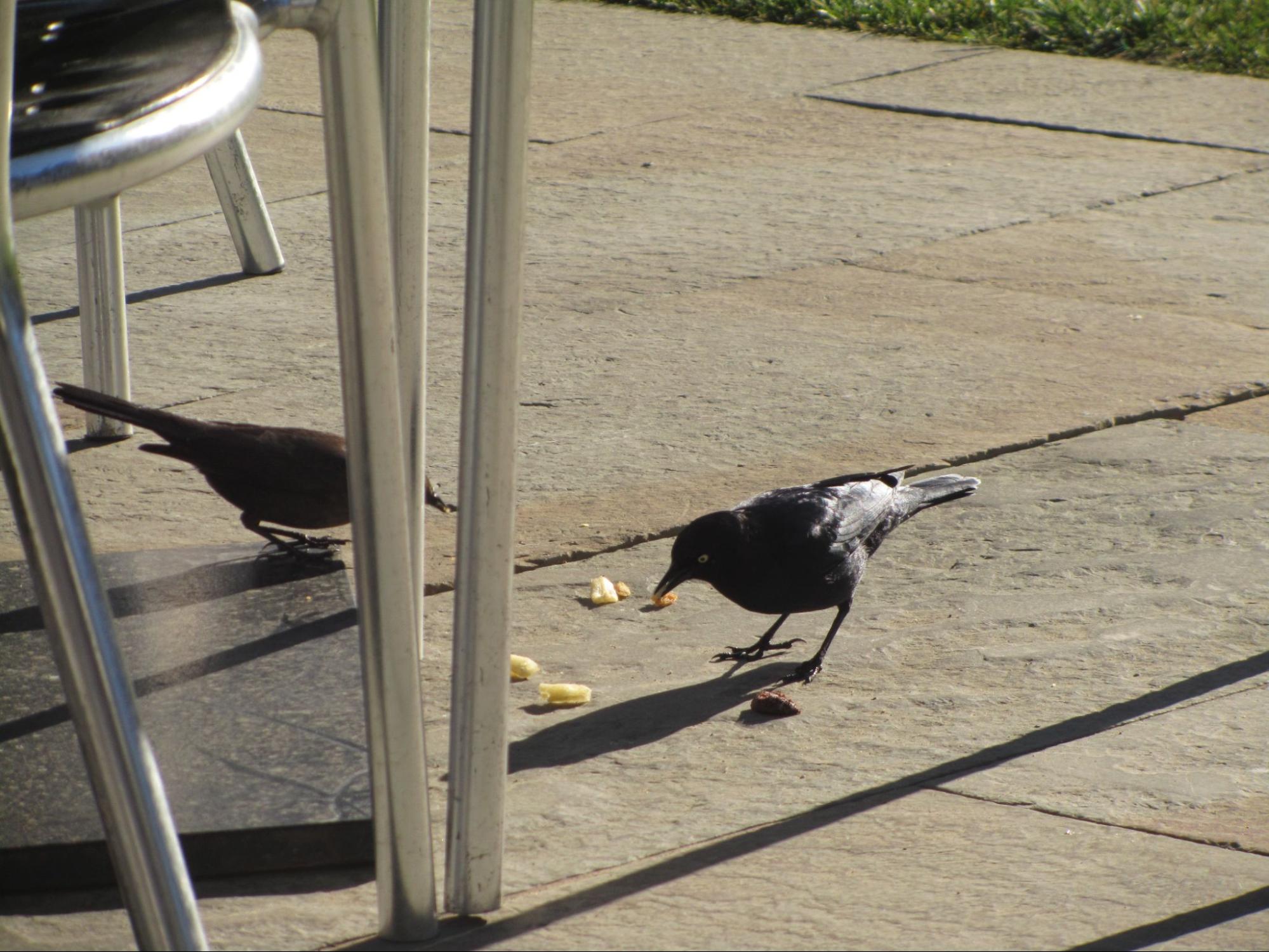
Food can come from more places than dumpsters alone. Outdoor tables, employee feeding, food deliveries, and open trash cans may all attract crows. Staff should clean eating areas before crumbs and leftovers accumulate. Property managers should also repair leaks and improve drainage where standing water repeatedly forms. Decorative water features may need changes if crows use them regularly. Removing several small resources can have a greater effect than addressing one large source.
Block Roosting and Nesting Locations
Food removal may not solve an infestation when crows have established secure resting places. Rooflines, signs, equipment, trees, and ledges can support regular activity. Physical changes can limit access and make these locations harder to use.
Protect Frequent Landing Areas
Physical exclusion can prevent crows from settling on specific areas of a building. Properly installed netting may protect covered loading areas, courtyards, and other enclosed spaces. Other barriers can reduce access to ledges and similar landing surfaces. The system must fit the structure and the birds’ actual behavior. Poorly planned barriers may leave openings or shift the problem elsewhere. A site-specific approach provides better coverage with less disruption to business operations.
Address Rooftops and Elevated Structures
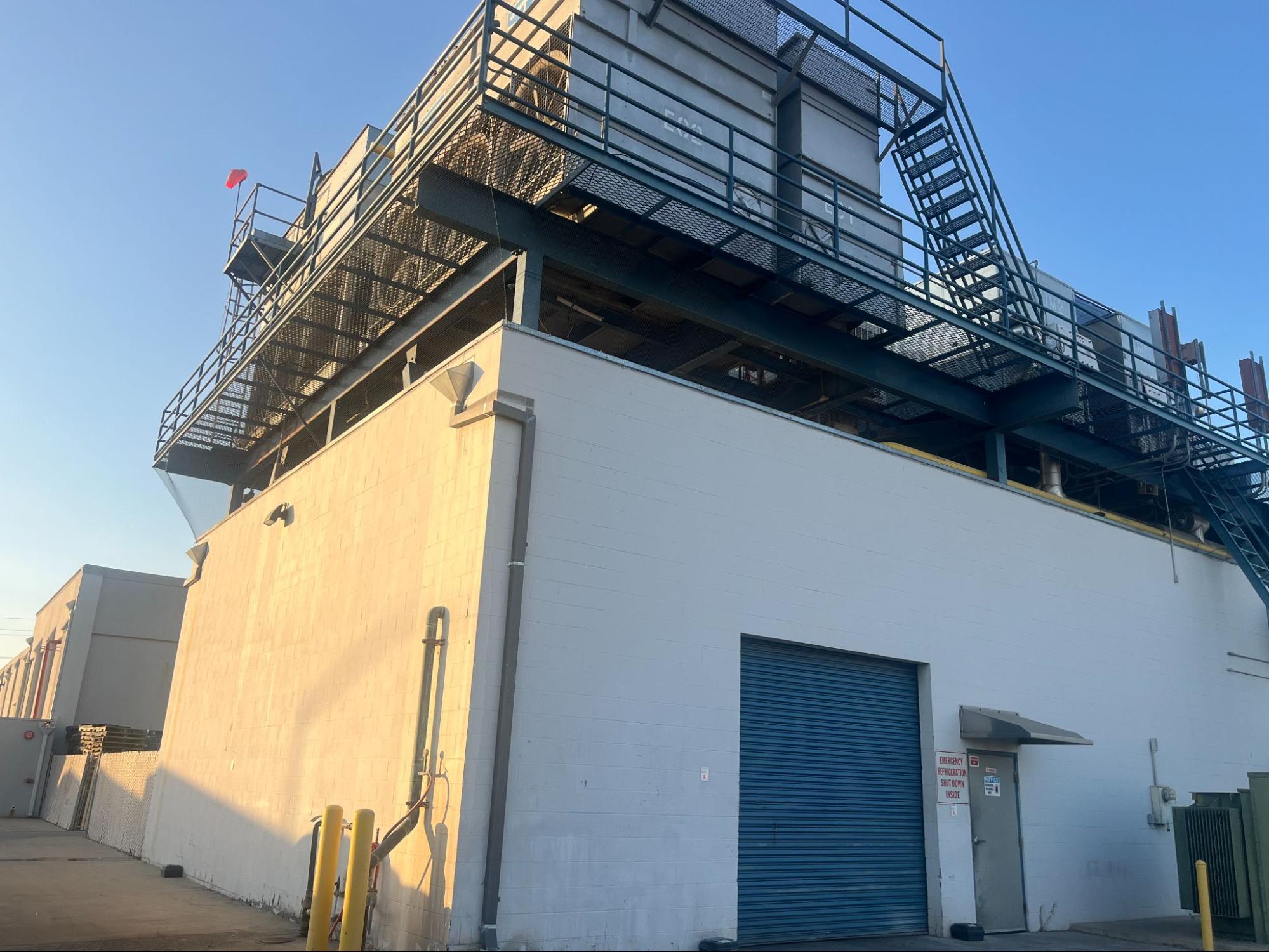
Commercial rooftops often provide quiet spaces above regular human activity. HVAC units, parapets, signs, antennas, and mechanical structures may create convenient resting points. Property teams should inspect these areas for droppings, feathers, and nesting materials. Gaps around vents and other openings also need attention before birds enter protected spaces. Maintenance changes can reduce shelter without interfering with building systems. Managing elevated areas removes another dependable part of the crows’ routine.
Use Humane Crow Deterrents Strategically
Deterrents work better after food and shelter become less available. Crows may ignore predictable devices once they learn that no real threat exists. A planned approach keeps deterrent methods connected to broader property changes.
Use Visual and Sound Methods Carefully
Visual movement and selected sound devices can interrupt established activity in suitable locations. However, stationary objects may lose their effect when crows see them every day. Devices may need repositioning or timing adjustments to remain useful. Sound methods also require careful planning around employees, customers, tenants, and nearby properties. Constant noise can create another nuisance without improving control. Strategic use produces better results than placing a device and leaving it unchanged.
Adjust Methods as Crow Behavior Changes
Crow activity may shift after control measures begin. Birds can move from a treated dumpster area to another nearby food source. They may also test old roosting locations after several quiet days. Property teams should watch these changes and adjust control methods when needed. Monitoring shows which measures work and where new pressure is developing. Flexible management keeps the response aligned with actual bird behavior.
Disrupt Established Roosting Patterns
Large crow gatherings require more than treating one visible problem area. Roosting flocks may use several locations before settling for the evening. Consistent action across connected sites can break those established routines.
Act Before the Roost Becomes Larger
Early action gives property owners more options before the flock becomes firmly established. Small recurring groups can attract additional birds to safe feeding and resting areas. As numbers grow, noise and dropping accumulation can spread across more of the property. Managers should respond when repeated activity becomes a clear pattern. Initial work can focus on removing attractions and interrupting access to preferred locations. Faster action may reduce the effort needed later.
Coordinate Control Across Large Properties
Business parks, campuses, warehouses, and shopping centers may have several connected activity zones. Treating one building can push crows toward another part of the property. Managers should examine waste areas, rooftops, landscaping, and parking structures as one system. Control measures need to be applied consistently across these locations. Property teams also need clear responsibilities for sanitation and maintenance. Coordinated action closes the gaps that allow the flock to remain nearby.
Clean Crow Droppings Safely
A crow infestation can leave heavy droppings on roofs, sidewalks, vehicles, and equipment. Large accumulations require more care than ordinary sweeping or routine pressure washing. Safe cleanup also prepares affected areas for exclusion and prevention work.
Handle Heavy Dropping Buildup Carefully
Dry bird droppings can break into fine particles when disturbed. Employees should not treat significant buildup like ordinary dirt or landscaping debris. The area may need to be restricted while the contamination is properly assessed. Cleanup methods should match the amount of waste and the surfaces involved. Protective equipment and careful waste handling may be necessary for larger jobs. Professional cleanup can help safely restore heavily affected commercial areas.
Repair Damage After Cleanup
Crow activity can reveal or worsen maintenance problems around frequently used locations. Gutters may clog with debris while repeated contamination affects surfaces and equipment. After cleanup, property teams should inspect the area for damage. Broken screens, open gaps, damaged vents, and failing waste containers need prompt repairs. These corrections remove conditions that could support renewed activity. Cleanup works best when prevention follows immediately afterward.
Follow Bird Protection Requirements
Crow control must comply with wildlife laws and follow acceptable management practices. Property owners should not assume that every removal method is allowed. Legal requirements may affect nests, control techniques, permits, and certain types of direct action.
Check Requirements Before Removal
Federal, state, and local rules may affect how businesses handle nuisance bird problems. The appropriate response can depend on the species, season, location, and proposed method. Active nests may create additional restrictions or management concerns. Property owners should verify requirements before removing nests or attempting direct population control. A bird control professional can help identify suitable methods for the situation. Legal review should happen before work begins.
Focus on Changing Property Conditions
Removing individual birds does not address the reason a property attracts them. Other crows may arrive when food, water, and shelter remain available. Exclusion, sanitation, habitat changes, and deterrents target those underlying conditions. This approach also works better around customers, employees, and active business operations. The goal is to make the property less useful to the flock over time. Prevention creates a stronger foundation for lasting control.
Address a Crow Infestation With Expert Help
Recurring crow activity can quickly outgrow routine property maintenance, especially when large flocks use several areas. Heavy droppings, failed deterrents, and repeated roosting often signal a more established problem. Professional bird management can identify what keeps drawing crows back and build a strategy around the property’s actual conditions. Act before the infestation spreads further and creates greater cleanup, maintenance, and operational concerns.
Bird problems often begin with small changes around a property. Explore the Elite Bird Management blog to learn what to watch for.