
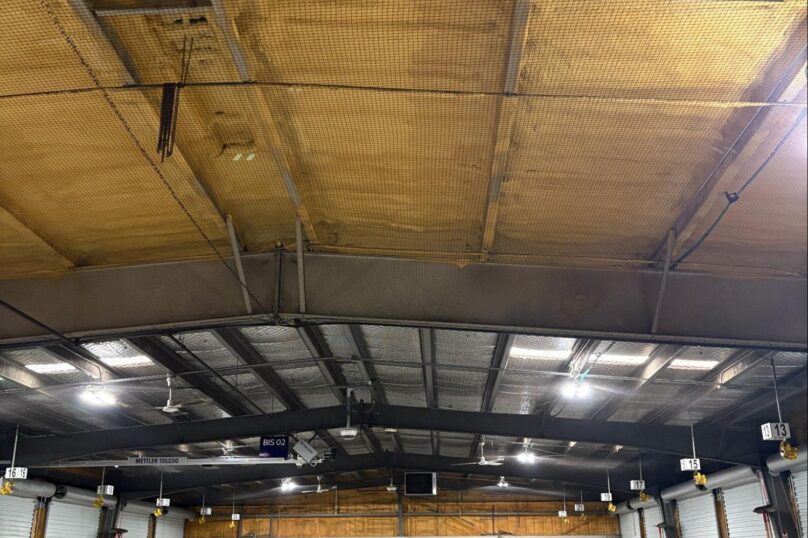
Bird Netting for Swallows: What You Need to Know
Swallows can become a recurring problem when commercial buildings provide protected nesting sites. Eaves, overhangs, loading docks, and covered entrances often provide the shelter these birds seek. Once nesting begins, droppings and debris can affect cleanliness, building access, and daily operations. Property owners may also face restrictions when nests contain eggs or young birds. Bird netting for swallows can provide long-term exclusion when installed correctly and at the right time.
What is Bird Netting for Swallows?
Bird netting is a physical barrier that keeps swallows away from suitable nesting areas. It closes off access without relying on noise, chemicals, or repeated bird removal. For commercial properties, the system can protect anything from one overhang to a large loading area.
Netting Creates a Physical Exclusion Zone
Swallow netting works by separating birds from the surfaces they want to reach. Installers place the mesh across open spaces beneath eaves, canopies, beams, and other sheltered areas. The barrier prevents birds from reaching walls and ledges where they could attach mud nests. It must cover the entire access route because swallows can exploit small openings. A complete system redirects the birds without trapping them inside the protected space. This direct form of exclusion makes netting suitable for persistent nesting locations.
The System Must Match the Target Bird
Not every bird netting system uses the same mesh size or installation design. Swallows are smaller than pigeons and may pass through openings designed for larger birds. The selected mesh must prevent access while remaining suitable for the building and location. Installers also consider the size and shape of the area before choosing materials. A large loading dock may need a different support system than a narrow overhang. Matching the design to the species and structure improves long-term performance.
Why Swallows Choose Commercial Buildings
Commercial buildings often provide many of the conditions swallows need for successful nesting. Protected surfaces offer shelter, while nearby open spaces can support the insects these birds eat. Understanding these attractions helps property owners address recurring activity more effectively.
Sheltered Areas Support Nest Building
Swallows often build mud nests beneath structures that provide overhead protection. Deep eaves, covered walkways, and recessed walls can shield nests from weather. Loading docks may also offer beams and corners with limited disturbance. These locations become even more attractive when nesting has succeeded there before. Returning birds may seek familiar areas during later breeding seasons. Blocking access before nesting begins can prevent the same locations from being used again.
Nearby Areas Provide Feeding Opportunities
Swallows mainly feed on flying insects rather than on discarded food. Open fields, landscaped grounds, ponds, and drainage areas can support large insect populations. Parking lots and open commercial sites may also provide clear flight paths for feeding. A nearby building can then become a convenient place to rest and nest. Removing every food source is rarely practical for commercial property owners. Physical exclusion instead focuses on protecting the building areas that birds can occupy.
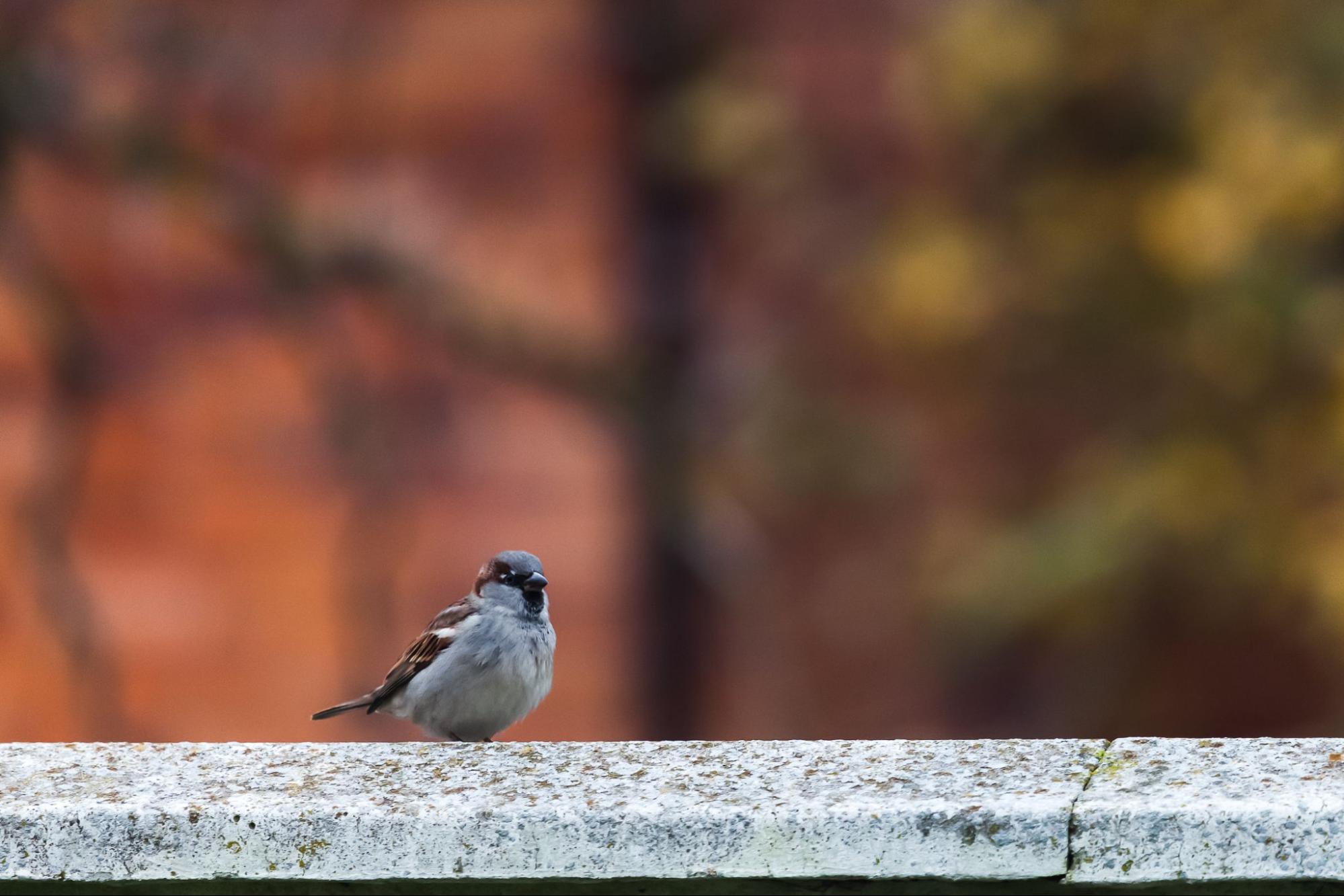
How Does Bird Netting Stop Swallows?
Bird netting stops swallows by removing access to the sheltered surfaces they need for nesting. The system does not need to frighten or repeatedly chase birds from the property. Instead, it creates a consistent barrier between the birds and the building.
Complete Coverage Blocks Nesting Surfaces
A properly installed net keeps swallows away from walls, ledges, rafters, and structural corners. These surfaces often provide the support needed for mud nest construction. Installers position the barrier before birds can reach those locations. The design must also close side gaps and openings around nearby structures. Even a small unprotected section can become a new entry route. Complete coverage gives the system a better chance of controlling persistent activity.
Proper Tension Keeps the Barrier Effective
Loose netting can sag, creating openings around the protected area. Correct tension keeps the mesh positioned along the intended boundary. Cables and secure attachment points help the system maintain its shape. Installers must work around corners, pipes, lights, and changing roof heights. Careful tensioning also gives the finished installation a cleaner appearance. This detail matters when netting covers entrances or other visible areas.
Physical Exclusion Prevents Repeated Access
Swallows may return to familiar nesting locations when those spaces remain open. Bird netting creates a consistent boundary that prevents them from reaching protected building surfaces. Unlike methods that rely on frightening birds away, the barrier continues to work without altering bird behavior. Swallows must look elsewhere when they cannot enter the excluded area. This approach directly addresses access, the main reason nesting remains at the same location. Over time, reliable exclusion can reduce repeated activity within the protected space.
When is Bird Netting the Right Choice?
Bird netting works best when swallows repeatedly enter a defined, sheltered part of a building. It can protect large or complex spaces where smaller deterrents may leave nesting surfaces accessible. A property inspection can determine whether exclusion is appropriate for the location and level of bird pressure.
Recurring Nesting Often Calls for Exclusion
Repeated nesting usually means the building continues to offer favorable conditions. Cleaning alone does not remove the sheltered space that attracts the birds. Swallows may return and rebuild when the area remains accessible. Netting changes the physical conditions by preventing entry to the nesting zone. This approach can reduce the cycle of nesting, cleanup, and renewed activity. It works especially well when the problem returns to the same building areas.
Large Sheltered Spaces May Need Full Coverage
Some commercial spaces contain many potential nesting surfaces within a single protected area. Loading docks, canopies, and covered service areas are common examples. Treating each beam or ledge separately may leave other locations available. A netting system can instead enclose the entire space. This broader coverage prevents birds from simply moving a few feet to another surface. The design should still allow people and equipment to use the area normally.
High-Use Areas Need Reliable Protection
Swallow activity becomes more disruptive when nests appear above entrances or active work areas. Droppings and nesting debris can fall near employees, customers, vehicles, or goods. Repeated cleaning may interrupt normal property maintenance and operations. A physical barrier can prevent access before nesting creates these problems. The system should protect the affected area without blocking normal movement. Professional planning becomes especially important in busy commercial spaces.
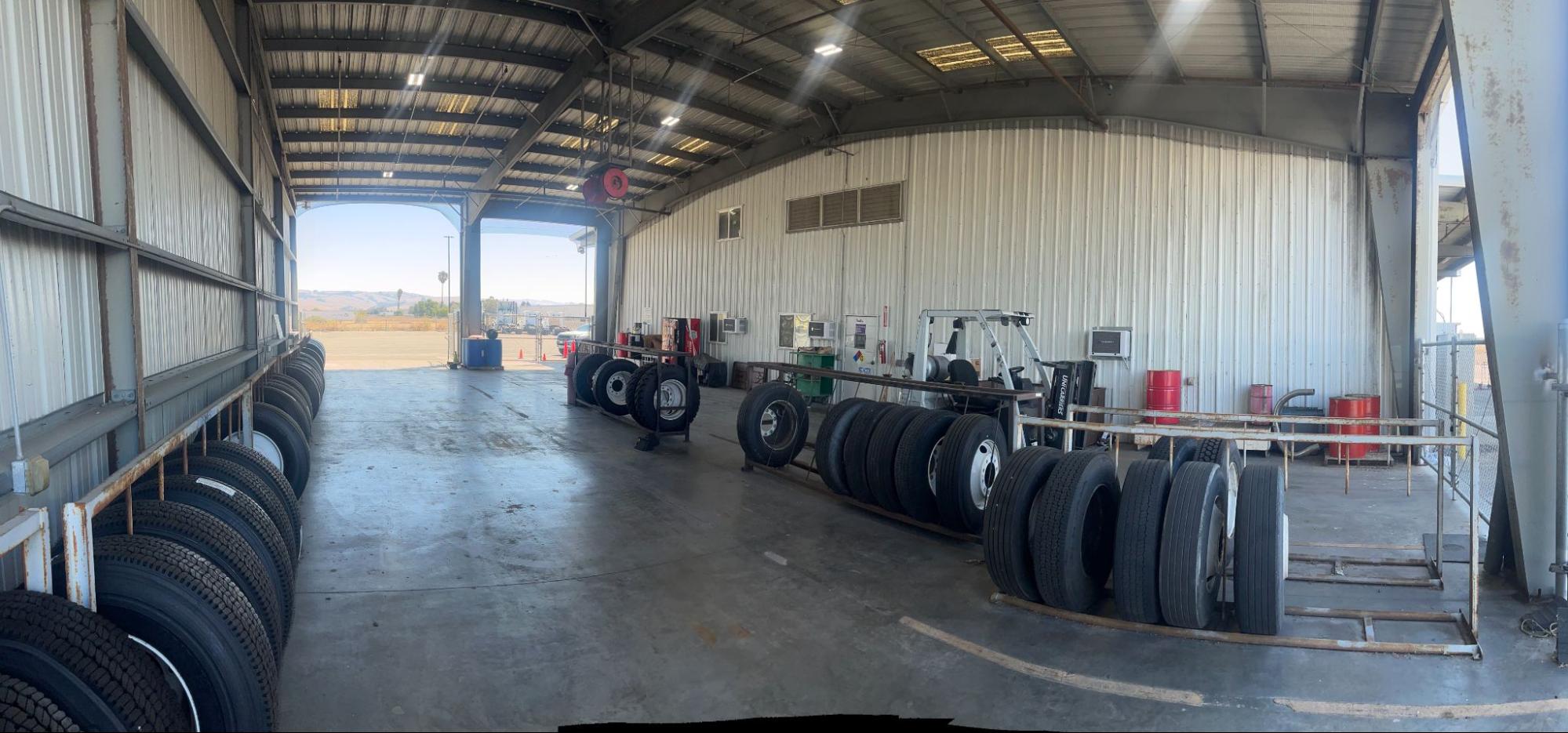
Where Does Swallow Netting Work Best?
Swallows usually concentrate on specific building features rather than occupying an entire property. The best netting plans focus on these high-pressure areas and close every practical access route. Different locations may require different layouts to maintain both protection and normal building use.
Eaves and Overhangs Need Full Coverage
Deep eaves often provide the shelter swallows seek for nest construction. The wall beneath an overhang can also offer a firm surface for mud nests. Netting can close the space between the outer roofline and the building wall. Installers must pay close attention to corners and irregular edges. Small perimeter gaps may allow birds to enter an otherwise protected space. Full coverage keeps the entire sheltered area unavailable for nesting.
Loading Docks Often Need Custom Designs
Loading docks combine shelter with beams, ledges, and relatively high nesting locations. These features can support repeated activity above busy work areas. Standard netting layouts may not fit around doors, lights, signs, and equipment. Installers often design cable patterns around the existing structure. The system should keep birds out without interfering with vehicles or loading operations. A custom layout can protect the space while preserving its daily function.
Entrances Require Discreet Protection
Covered entrances may attract swallows while placing bird activity directly above visitors. Droppings can quickly affect walkways, doors, signs, and nearby windows. Netting can close the overhead space without restricting pedestrian access. The design must account for lighting, cameras, and decorative features. Careful placement can also reduce the system’s visibility from normal viewing distances. This balance helps protect the entrance without harming the building’s appearance.
Why Timing Matters for Swallow Control
Timing can affect both the success of swallow control and the options available to property owners. Active nests may receive legal protection, especially when they contain eggs or dependent young. For this reason, property owners should not assume occupied nests can be removed or blocked immediately. A professional inspection can identify the bird species and determine the current nesting status. Installing bird netting before nesting begins can prevent swallows from claiming vulnerable areas and causing later disruptions. Early planning gives property managers more flexibility to address recurring activity before seasonal nesting limits their options.
How Netting Supports Property Management
Swallow problems can affect more than the immediate area around a nest. Droppings and debris may create recurring work for maintenance teams and affect the property’s visible areas. Effective exclusion can reduce these pressures while supporting normal operations.
Cleaner Areas Need Less Repeated Work
Active nests can create recurring droppings beneath favored locations. Maintenance teams may clean the same surfaces repeatedly throughout the nesting season. Bird netting prevents access instead of managing debris after it appears. This approach can reduce repeated attention around protected spaces. Staff can then focus on regular property maintenance. Consistent exclusion often provides more control than an ongoing cleanup cycle.
Protected Entrances Support Better Impressions
Visitors may notice bird droppings before they notice the nests above them. Heavy buildup near an entrance can affect perceptions of property care. Nesting debris may also collect on signs, windows, and architectural surfaces. Netting can protect these visible areas when designed carefully. The system should control access without becoming the main visual feature. Clean installation helps balance effective bird control with appearance.
Exclusion Can Reduce Business Disruption
Bird activity can interfere with areas that support daily operations. Loading zones and covered workspaces may need repeated cleaning or temporary restrictions. Employees may also need to avoid areas beneath active nests. Netting prevents access before nesting creates recurring problems. A properly planned system stays clear of doors and working equipment. This approach can support smoother operations during periods of heavy swallow activity.
Block Swallow Nesting With Bird Netting
Swallow problems become harder to control once birds establish nests in protected commercial spaces. Bird netting blocks access before recurring activity creates more cleanup, maintenance, and operational concerns. However, lasting results depend on proper timing, complete coverage, and a system suited to the building. Professional bird management can identify vulnerable areas and plan exclusion before nesting limits available options. Act early to prevent swallows from reclaiming the same spaces during the next nesting season.
Bird activity often reveals more about a property than owners expect. Visit the Elite Bird Management blog for practical insights on exclusion, prevention, and long-term bird control.