Controlling Crows: How Professionals Simplify the Process
Crows can quickly become more than a minor nuisance once they settle near homes or businesses. Their intelligence helps them find food, recognize safe places, and return to the same locations repeatedly. Many property owners discover that simple scare tactics stop working after only a short time. Professional bird control services take a broader approach by identifying what attracts crows and removing those conditions. That strategy creates longer-lasting results while protecting both property and local wildlife.
What is Professional Crow Control?
Professional crow control focuses on changing the conditions that attract nuisance birds instead of repeatedly chasing them away. Bird management specialists assess the property, identify food sources, nesting areas, roosting sites, and entry points, then recommend a combination of humane deterrents, bird exclusion systems, habitat modifications, and ongoing monitoring. This comprehensive approach addresses the root causes of recurring crow activity, making it more effective and longer-lasting than relying on temporary DIY solutions or a single control method.
Why Crows Become Difficult to Control
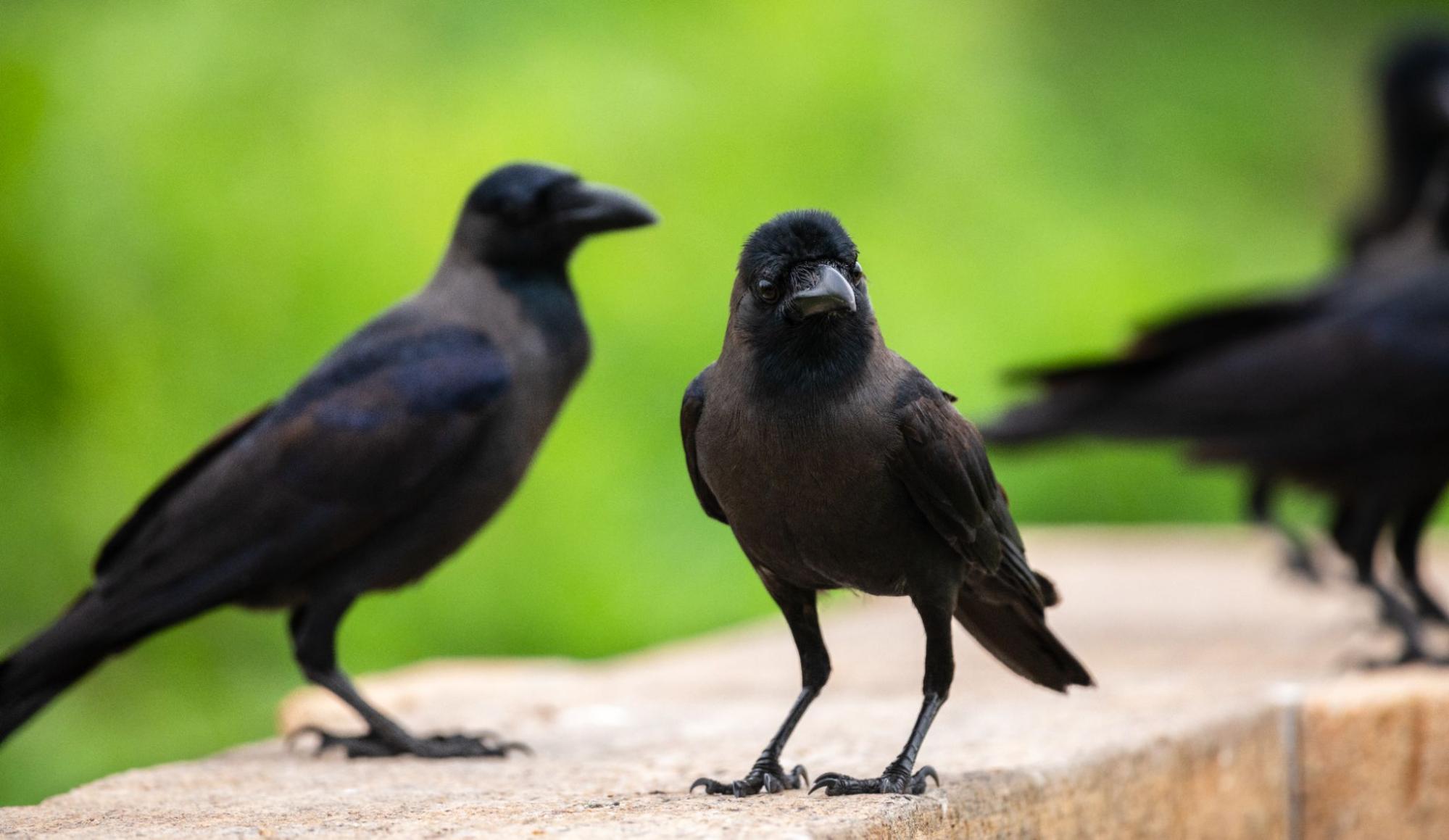
Crows become difficult to control because they are highly intelligent, adaptable birds that quickly learn where to find food, shelter, and safe roosting areas. They remember reliable locations, recognize ineffective deterrents, and communicate those safe places to other members of their flock, allowing small groups to grow into larger gatherings. Professional bird management addresses these behaviors by removing the conditions that attract crows, making the property less appealing and reducing the likelihood of repeated visits.
How Professionals Assess Crow Activity
Every successful bird control program begins with a detailed site assessment instead of immediate treatment. Experienced technicians study the property to understand how crows use the surrounding environment throughout the day. That information allows them to recommend practical solutions based on evidence rather than assumptions.
Property Inspections Reveal Hidden Patterns
A professional inspection examines rooftops, trees, utility structures, dumpsters, parking areas, and other locations where crows gather. Technicians also identify feeding sites, nesting areas, and common flight paths that property owners may overlook. These observations explain why birds continue returning despite previous control efforts. The inspection often reveals several contributing factors instead of one obvious problem. Those findings become the foundation for a customized bird management plan. Careful planning reduces unnecessary costs while improving long-term effectiveness.
Seasonal Changes Influence Bird Behavior
Crow behavior changes throughout the year because food supplies and nesting habits also change with the seasons. Activity often increases during breeding periods when birds defend nesting territories or search for additional food. Cooler months may bring larger evening roosts as groups gather in sheltered locations before nightfall. Professional bird control companies consider those seasonal patterns before recommending any solution. They also understand wildlife regulations that may affect nesting birds during certain times of the year. That knowledge helps property owners address problems responsibly while achieving dependable results.
How Experts Make Crow Control Easier
Crow problems rarely have a single cause, which is why lasting solutions require more than quick fixes. Professional bird control focuses on understanding crow behavior, identifying what attracts them, and applying strategies that work together over time. The following explains how experienced specialists simplify the process while helping prevent birds from returning.
Use Humane Deterrents That Last Longer
Long-term crow management relies on humane solutions that discourage birds from staying instead of causing harm. Professionals combine different deterrents because crows quickly adapt to repetitive tactics. A layered approach reduces bird activity more effectively while supporting lasting results.
Rotate Visual Deterrents to Prevent Adaptation
Visual deterrents interrupt the sense of security that crows seek before landing or roosting. Reflective devices, moving objects, laser systems, and realistic predator decoys work best when their placement changes regularly. Intelligent crows often ignore stationary deterrents after realizing they pose no real threat. Rotating these tools keeps birds uncertain and less likely to settle in the area. Visual deterrents also perform better when paired with other bird management strategies. This combination creates a less welcoming environment for repeated crow activity.
Combine Sound Devices With Other Solutions
Sound deterrents use distress calls or predator sounds to encourage crows to leave the property. Professionals operate these systems at carefully planned intervals instead of playing them continuously. Constant repetition reduces their effectiveness because birds become familiar with the recordings. Pairing sound deterrents with habitat changes and exclusion methods produces more dependable results. This balanced strategy discourages crows while limiting unnecessary disruption for nearby people. It also helps maintain effectiveness over a longer period.
Block Access to Roosting and Nesting Areas
Preventing access to favorite perching and nesting locations reduces the likelihood of crows returning. Physical barriers discourage birds without harming them or affecting normal property use. Proper installation makes these systems more reliable and supports other bird control methods.
Install Bird Netting in Vulnerable Spaces
Bird netting blocks access to areas where crows frequently gather or build nests. It protects loading docks, covered walkways, storage areas, parking structures, and similar spaces that attract bird activity. Professional installation closes potential gaps that birds could otherwise exploit. Durable netting blends into the surroundings while providing long-term protection. Periodic inspections help maintain its effectiveness through changing weather conditions. This solution reduces repeat visits while preserving the property’s appearance.
Add Bird Spikes to Frequent Perches
Bird spikes discourage crows from landing on roof edges, signs, fences, ledges, and lighting fixtures. They create an uneven surface that birds avoid without causing injury. Professionals place spikes only where birds regularly perch for the best results. Correct installation maintains the building’s appearance while improving effectiveness. Bird spikes work even better when combined with sanitation improvements and other deterrents. Together, these measures make the property much less appealing to nuisance birds.
Remove the Conditions That Attract Crows
Crow activity often continues because food, shelter, and nesting opportunities remain available. Adjusting the surrounding environment makes the property less inviting over time. Habitat improvements strengthen every other bird control strategy by reducing the reasons birds return.
Eliminate Reliable Food Sources
Food attracts crows more consistently than almost any other environmental factor. Overflowing dumpsters, uncovered trash bins, outdoor food waste, and pet food provide dependable feeding opportunities. Professionals recommend sealed waste containers, routine cleanup, and regular garbage collection to reduce those attractions. Cleaner surroundings discourage birds from making the property part of their daily routine. Better sanitation also improves the overall appearance of the location. Removing food sources increases the effectiveness of every other bird deterrent.
Reduce Shelter Through Landscape Care
Dense tree canopies and overgrown vegetation provide comfortable places for crows to rest and observe nearby food sources. Strategic pruning improves visibility and makes those locations less attractive for roosting. Professionals recommend practical landscape maintenance instead of excessive tree removal. Open spaces encourage birds to seek quieter locations with more cover. Regular upkeep also limits new nesting opportunities throughout the year. This preventive approach supports long-term bird management with minimal disruption.
Follow Humane and Legal Bird Control Practices
Effective crow management also considers wildlife regulations and responsible treatment of birds. Professional bird control balances practical solutions with methods that comply with applicable requirements. Following these guidelines helps property owners address crow activity with confidence.
Account for Wildlife Regulations
Many crow species receive legal protection during certain times of the year, especially while nesting. Regulations vary depending on local laws and the specific circumstances surrounding bird activity. Professional bird control companies understand these requirements before recommending any action. Their knowledge helps property owners avoid unnecessary legal complications. Responsible planning also supports humane wildlife management. Working within established regulations leads to practical and lasting solutions.
Focus on Long-Term Prevention
Removing a few birds rarely solves the problem if food, shelter, and roosting sites remain available. Long-term bird management changes the conditions that attract crows instead of relying on repeated removal efforts. This approach discourages new flocks from replacing those that leave. It also reduces the need for constant intervention over time. Preventive strategies create more dependable results for both residential and commercial properties. Addressing the root causes provides lasting protection against recurring crow activity.
When Should You Call a Crow Control Expert?
Crow problems often begin gradually before becoming much more noticeable over time. Waiting too long allows birds to establish routines that become harder to interrupt. Recognizing the early warning signs can save both time and money while preventing larger property concerns.
Signs That Temporary Fixes Are No Longer Working
Reflective objects, loud noises, and plastic predator decoys sometimes discourage birds during the first few days. If crows continue returning despite repeated efforts, those methods have likely lost their effectiveness. Persistent noise, excessive droppings, scattered garbage, and repeated rooftop activity usually indicate a larger issue. Large flocks also increase the chances of property damage and sanitation concerns. Professional bird control becomes a practical next step when repeated DIY efforts no longer produce lasting improvements. Early intervention usually requires fewer corrective measures than waiting until the problem expands.
Problems That Need Professional Attention
Some situations require more than simple bird deterrents because the risks continue to grow over time. Businesses may experience customer complaints, damaged signage, contaminated outdoor seating, or safety concerns around entrances. Industrial facilities often deal with birds nesting near equipment, loading docks, or storage areas where cleanup becomes difficult. Apartment communities, schools, hotels, healthcare facilities, and office complexes also face recurring challenges when large flocks settle nearby. Professional bird management provides customized solutions that address those unique environments without disrupting normal operations. That tailored approach protects the property while reducing the chances of repeated crow activity.
Why Businesses Need Ongoing Crow Management
Commercial properties often attract crows because they offer reliable food sources, large rooftops, open loading areas, and convenient roosting sites. Restaurants, shopping centers, hotels, apartment communities, warehouses, manufacturing facilities, schools, healthcare buildings, and office complexes each face unique challenges that require customized bird management rather than a one-size-fits-all approach. Ongoing inspections and routine monitoring allow bird control specialists to identify changing conditions, adjust deterrents, and address new nesting or feeding opportunities before larger flocks become established, helping businesses maintain cleaner, safer, and more welcoming properties over time.
Stop Crow Problems With Professional Control
Crow activity rarely fades when the conditions attracting birds remain unchanged. Professional crow control addresses those conditions with practical, humane solutions that reduce repeat visits and protect your property over the long term. Acting early helps prevent small issues from becoming ongoing disruptions, allowing you to maintain a cleaner, quieter, and more functional environment with greater confidence.
Smart bird management begins with informed decisions. Explore the Elite Bird Management blog for helpful articles, industry expertise, and practical solutions for lasting results.