How to Choose the Best Bird Deterrent for Your Commercial Property
Bird activity can quickly affect the appearance, safety, and upkeep of any commercial property if left unchecked. The best bird deterrent depends on the bird species, your building’s design, and the areas where birds gather most often. Physical exclusion systems usually deliver the most reliable long-term results because they prevent birds from landing and nesting. Many properties achieve even better protection by combining several humane bird control methods instead of relying on a single product. Understanding what attracts birds to your property is the first step toward choosing a solution that delivers lasting results.
Choosing the Best Bird Deterrent
The best bird deterrent depends on more than the product itself. A successful choice considers the building, the birds involved, and the level of protection required. Reviewing these details first helps narrow your options with confidence. That foundation makes every step that follows more effective.
Start by Understanding the Bird Problem
Bird control works best when it addresses the reason birds choose your property in the first place. Taking time to study bird activity helps you choose a solution that fits the building instead of wasting money on products that offer only temporary relief. A careful assessment also reveals hidden issues that could continue attracting birds after installation.
Identify the Bird Species First
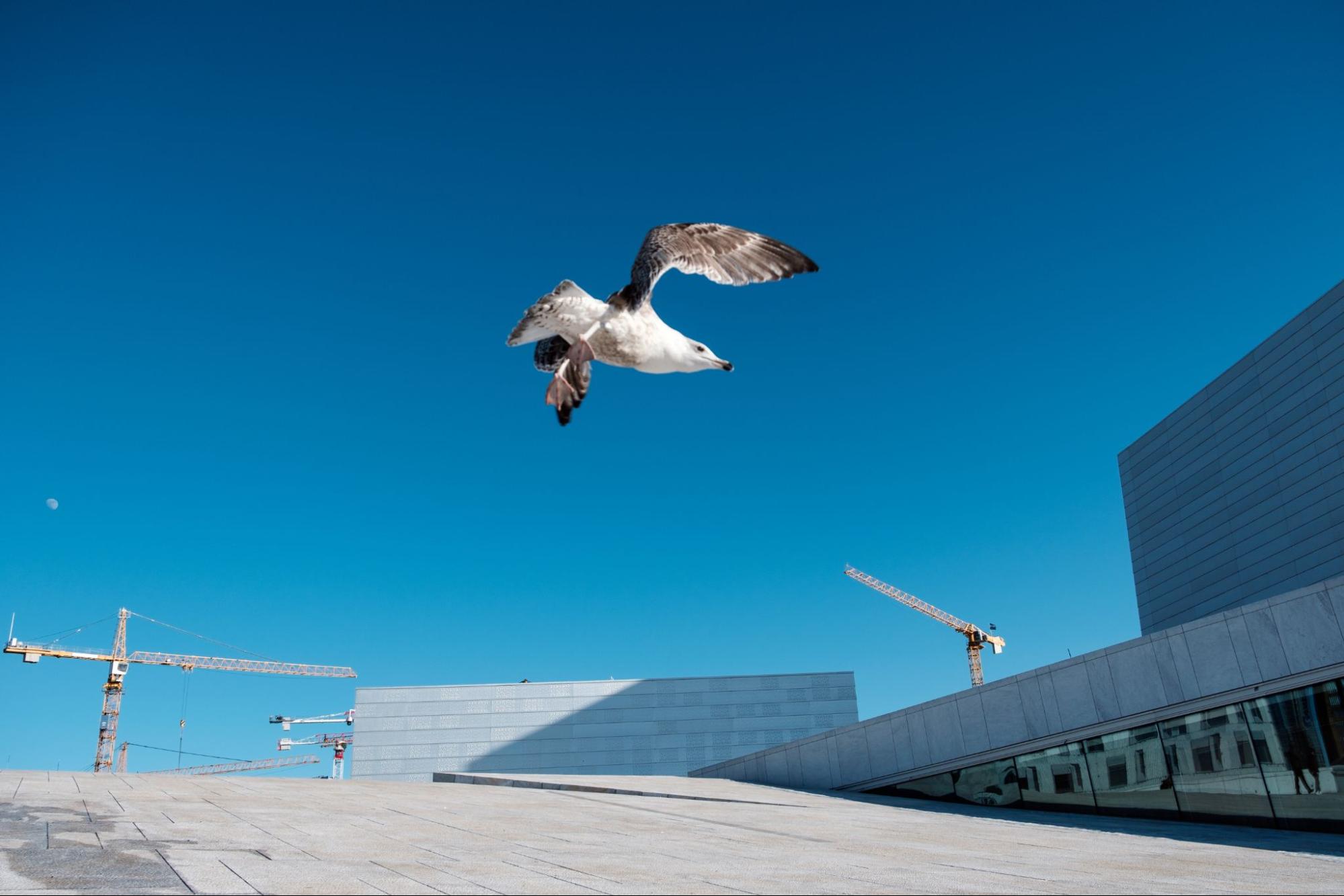
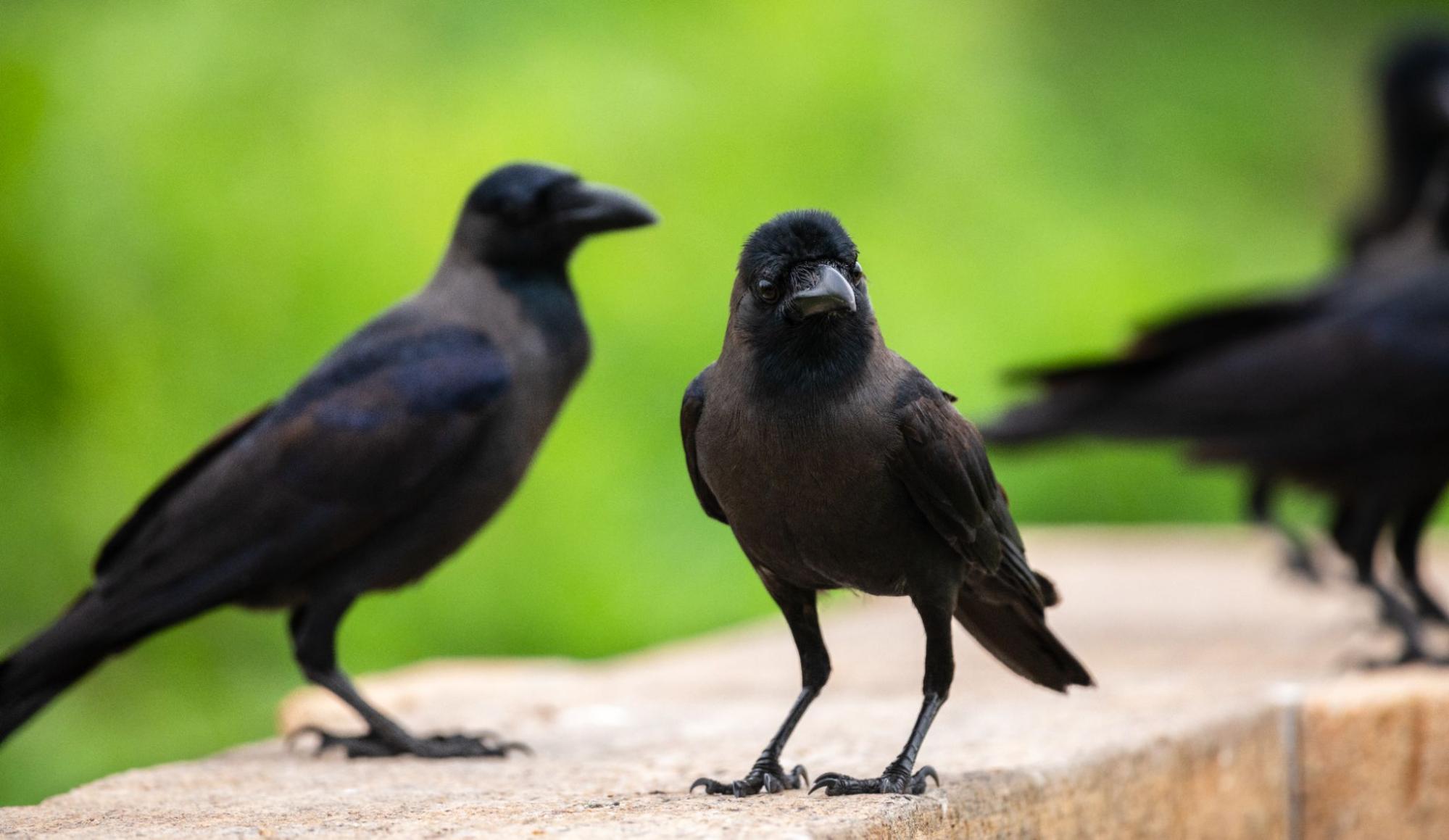
Different birds behave differently, so the most effective solution depends on knowing which species you’re dealing with. Pigeons often gather on ledges and rooftops, while sparrows search for sheltered places to build nests. Gulls usually stay close to food sources, and starlings often travel in large flocks that can quickly overwhelm a property. Watching where birds land, feed, and rest provides valuable clues before selecting any bird prevention system. A wildlife specialist can also identify protected species that require special handling under local regulations. Better identification leads to bird control methods that solve the actual problem instead of treating the symptoms.
Find Out Why Birds Keep Returning
Birds settle where they find reliable food, water, shelter, or safe nesting spaces. Overflowing trash bins, outdoor dining areas, rooftop equipment, and standing water often create attractive conditions without property owners realizing it. Nearby trees, neighboring buildings, and open loading docks can also encourage repeated bird activity throughout the day. Removing these attractions makes every bird deterrent more effective because birds lose the reasons to stay. This inspection process often uncovers maintenance issues that deserve attention even beyond bird control. Fixing those problems creates a cleaner property while reducing future bird pressure.
Measure How Serious the Problem Has Become
A few birds visiting occasionally require a different approach than large flocks nesting throughout the property. Fresh droppings, damaged roof materials, clogged drains, and nesting debris usually signal that birds have become established. Ignoring those warning signs often leads to higher cleaning costs, health concerns, and more extensive repairs later. Bird droppings can also create slippery walking surfaces and expose people to harmful bacteria and parasites. Looking at the full scope of the issue helps determine whether simple exclusion products or a complete commercial bird management plan makes more sense. That decision saves both time and money over the long run.
Compare Commercial Bird Control Options
No single bird deterrent works equally well for every commercial building or bird species. The most successful bird management plans match the right products with the property’s layout, maintenance needs, and level of bird activity. Understanding how each solution performs makes choosing between them much easier.
Bird Spikes Work Well for Landing Areas
Bird spikes prevent larger birds from landing on narrow surfaces where they regularly perch. They work especially well on roof edges, window ledges, signs, beams, and decorative architectural features. Rather than harming birds, the spikes remove comfortable landing space and encourage them to move elsewhere. High-quality stainless steel spikes resist corrosion and continue performing for many years with little maintenance. They remain one of the most trusted bird exclusion products for commercial properties because they combine durability with long-term reliability. Bird spikes perform best when professionals install them without leaving gaps that birds can still use.
Bird Netting Protects Larger Spaces
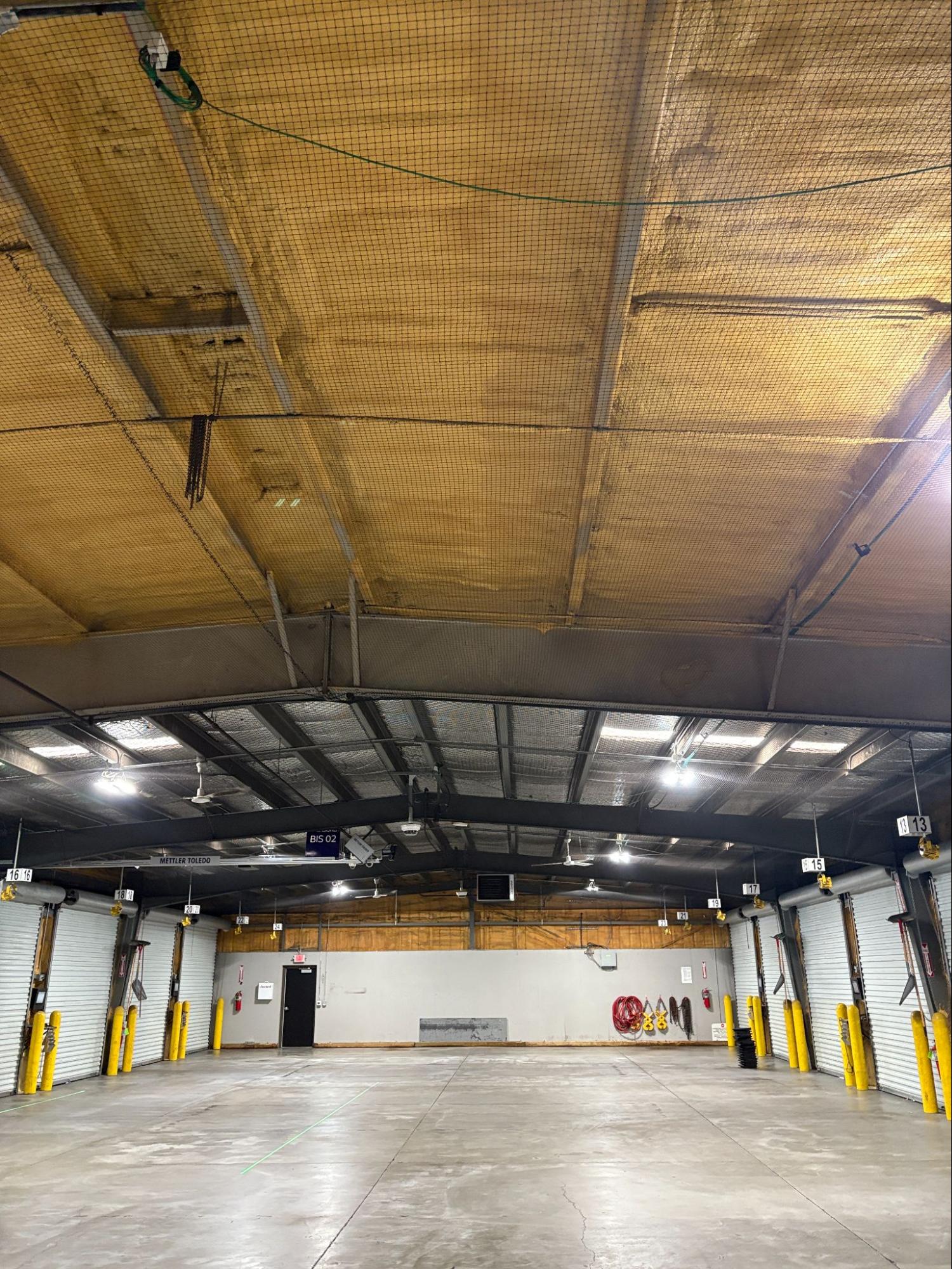
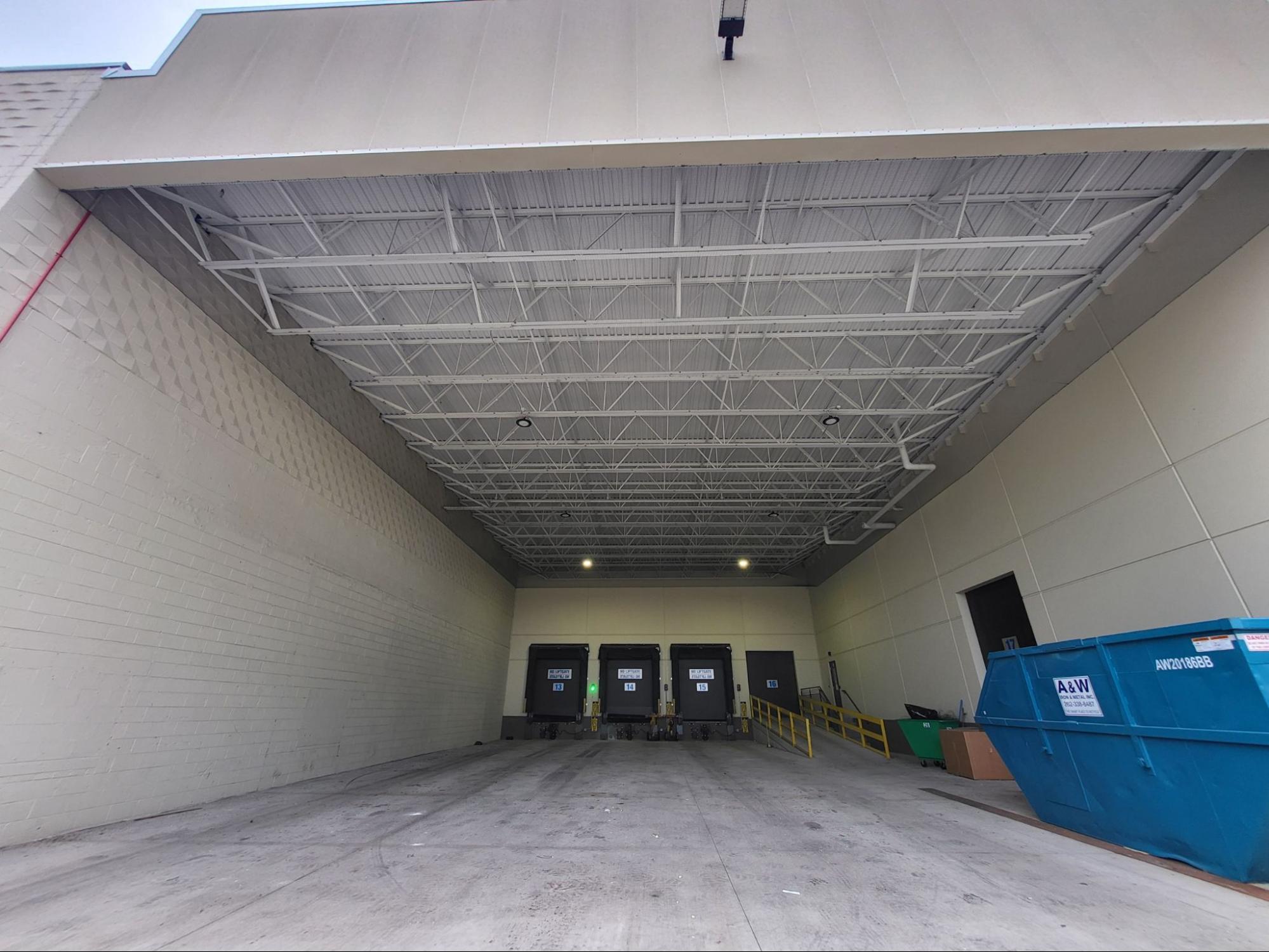
Bird netting creates a physical barrier that blocks birds from entering large open areas. Warehouses, parking garages, loading docks, courtyards, and rooftop equipment often benefit from this approach. Properly installed netting keeps birds away without affecting normal business operations below. Strong commercial-grade materials stand up well against changing weather and regular exposure. Because birds cannot access protected spaces, nesting and roosting activity gradually disappears. Many businesses choose netting when complete exclusion matters more than appearance alone.
Wire Systems and Shock Tracks Offer Discreet Protection
Some commercial properties need bird control products that blend with the building’s appearance. Bird wire systems create unstable landing surfaces that discourage birds while remaining difficult to notice from the ground. Shock track systems deliver a mild pulse that surprises birds without causing lasting harm, making them effective for high-value architectural features. These options often suit hotels, office buildings, shopping centers, and historic properties where appearance matters. Professional installation becomes especially important because precise placement determines how well these systems perform. Businesses often select these solutions when they want effective protection with minimal visual impact.
Match the Solution to Your Property
Every commercial property presents different challenges, so the same bird control system rarely works everywhere. A solution that performs well on a warehouse may not suit a hotel, office building, or healthcare facility. Looking at how the building functions each day helps narrow the choices and leads to better long-term results.
Building Design Shapes Your Bird Control Plan
Birds take advantage of architectural features that offer shelter and stable landing spots. Flat roofs, decorative ledges, rooftop equipment, signs, solar panels, and parking structures all create opportunities for birds to settle. Older buildings may have more gaps and hidden spaces that encourage nesting, while modern buildings often have exposed edges that attract perching. A thorough inspection identifies these vulnerable areas before any products are installed. That information helps determine where bird spikes, netting, wire systems, or other exclusion products will work best. Matching the solution to the building produces stronger and longer-lasting results.
Daily Operations Influence the Best Choice
The way people use a property should guide every bird control decision. Restaurants and cafés often deal with food scraps that attract gulls and pigeons, while warehouses may struggle with birds entering through loading docks. Hospitals, schools, and office buildings usually need quiet solutions that won’t interrupt daily activities or affect visitors. Busy entrances also require products that blend into the surroundings without creating safety concerns. Choosing a bird management system that fits normal operations helps businesses avoid unnecessary disruptions. The result is effective protection that supports the property instead of getting in the way.

Different Industries Face Different Risks
Every industry experiences bird problems in its own way because each property serves a different purpose. Manufacturing facilities may worry about contamination near production areas, while hotels focus on maintaining a welcoming appearance for guests. Apartment communities often receive complaints about noise, droppings, and nesting around balconies or shared spaces. Retail centers want to keep entrances clean and inviting throughout the day. Understanding these priorities makes it easier to select a bird prevention system that supports business goals and property maintenance. The right approach addresses both practical concerns and customer expectations.
Think Beyond the Initial Cost
The least expensive bird control option often becomes the most expensive over time if it fails quickly or needs constant repairs. Looking at long-term value instead of the purchase price helps businesses make better financial decisions. A reliable solution reduces ongoing maintenance while protecting the property’s condition for years.
Durable Materials Save Money Over Time
Commercial bird control products stay outdoors year-round, so they need to withstand constant exposure to weather—stainless steel, UV-resistant materials, and heavy-duty hardware generally last much longer than lower-quality alternatives. Strong materials also hold up better against wind, rain, heat, and regular maintenance work. Replacing cheaper products every few years usually costs more than investing in quality materials from the beginning. Durable systems also maintain a cleaner and more professional appearance throughout their lifespan. That combination delivers better value while reducing future replacement costs.
Professional Installation Improves Performance
Even the best bird deterrent cannot perform properly if it is installed incorrectly. Small gaps between products can leave enough space for birds to continue landing or building nests. Experienced installers understand how different bird species behave and know where products should be placed for maximum effectiveness. They also secure each system correctly so it continues performing through changing weather conditions. Proper installation reduces the chance of repairs while extending the life of the bird control system. Businesses often recover the installation cost through fewer maintenance problems over time.
Routine Maintenance Keeps Protection Working
Bird control systems need occasional inspections to continue performing at their best. Strong winds, storms, and nearby construction can sometimes loosen hardware or create new entry points for birds. Regular maintenance also helps identify changes in bird activity before they become larger problems. Property managers can schedule inspections alongside routine building maintenance to simplify the process. Small adjustments often prevent expensive repairs later. Ongoing care protects the investment while keeping bird activity under control throughout the year.
Work With Bird Control Professionals
Some bird problems have simple solutions, but larger commercial properties often require a more detailed plan. Professional bird control specialists understand how birds behave, which products work best, and how to install them correctly. Their experience helps businesses solve existing problems while reducing the chance of future infestations.
A Customized Plan Delivers Better Results
Every property has its own combination of building features, surrounding conditions, and bird activity. A professional assessment identifies where birds perch, nest, feed, and enter the property before recommending a solution. That information makes it possible to combine bird spikes, netting, wire systems, or other exclusion methods where they will have the greatest effect. Many commercial properties achieve stronger protection by using several deterrent methods instead of relying on only one. This layered approach closes more landing opportunities and makes it harder for birds to adapt over time. A customized strategy also avoids paying for products that provide little value for the property.
Compliance and Humane Practices Matter
Bird control should solve the problem without creating unnecessary risks for people or wildlife. Some bird species receive legal protection during nesting seasons, so businesses must follow applicable wildlife regulations before taking action. Professional bird control companies understand these requirements and recommend humane solutions that discourage birds instead of harming them. Most modern exclusion systems focus on preventing birds from landing or nesting rather than removing them. This responsible approach protects the property’s reputation while supporting safe and effective bird management. Businesses also gain confidence knowing the work follows accepted industry practices.
Long-Term Support Brings Lasting Value
Bird activity can change as nearby buildings, landscaping, and seasonal conditions change over time. Ongoing support allows professionals to inspect the property, make adjustments, and address new problem areas before they become serious. Regular service also helps extend the life of installed bird control systems through timely maintenance. Property managers benefit from having experienced specialists available when new concerns appear. That continued partnership keeps commercial properties cleaner and reduces unexpected maintenance costs. Long-term support often delivers better value than treating every new bird problem as a separate project.
Find the Best Bird Deterrent for Your Property
Bird problems rarely disappear without the right solution, and delaying action often leads to higher maintenance costs and preventable damage. Choosing a bird deterrent that matches your property’s needs helps protect your building while creating a cleaner and more welcoming environment for employees and visitors. A well-planned approach delivers lasting results, making it easier to manage your property with confidence for years to come.
Every property presents different bird control challenges. Explore the Elite Bird Management blog for professional guidance, industry updates, and smart strategies that help you make informed decisions with confidence.