Bird Control and Removal: A Guide
Commercial and industrial buildings unintentionally attract birds because they offer height, shelter, and steady access to food. Over time, bird activity shifts from a nuisance into a property-wide operational concern. Droppings, nesting debris, and noise begin affecting safety, compliance, and daily productivity. Many building owners address symptoms rather than causes, which allows birds to return repeatedly. Effective bird control and removal reduce risk, protect assets, and support uninterrupted business operations.
Bird Control and Removal in Commercial Buildings
Bird control and removal refers to professional methods used to deter, exclude, and manage birds on commercial and industrial properties. This process focuses on preventing roosting, nesting, and contamination while avoiding harm to protected species. Commercial settings require durable, code-compliant solutions that address large surface areas and complex structures. When implemented correctly, bird control supports sanitation standards, employee safety, and long-term property preservation.
Why Birds Target Commercial and Industrial Structures
Birds target commercial buildings because these structures provide elevated, sheltered surfaces that reduce natural threats. Rooftops, ledges, signage, and steel beams create stable perching and nesting locations. Many facilities also generate food waste from dumpsters, loading docks, or surrounding landscaping. Warm exhaust vents offer comfort during colder months. Over time, birds develop site loyalty and return consistently. This behavior makes unmanaged buildings recurring nesting zones.
Common Bird Species Found on Commercial Sites
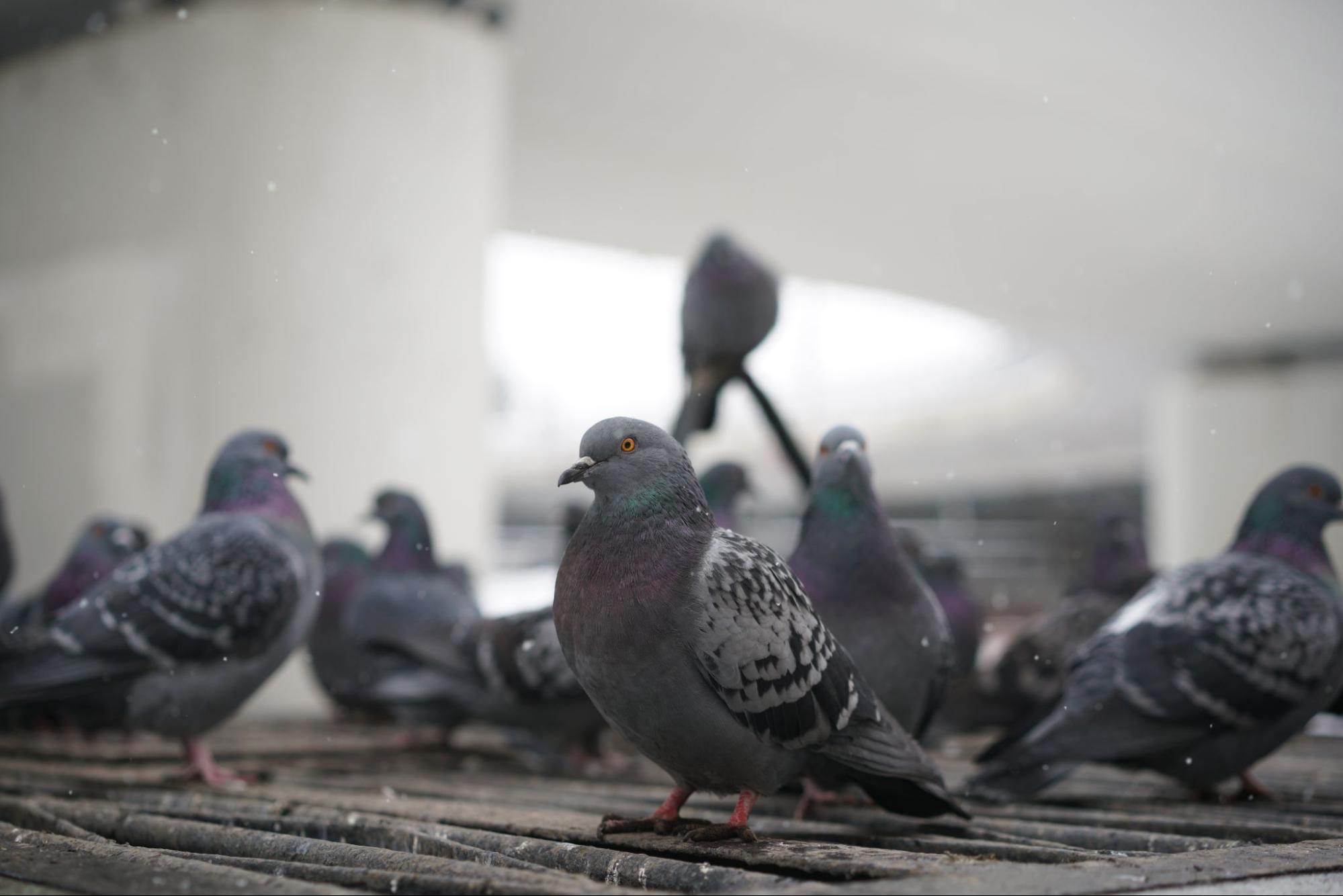
Pigeons, starlings, and sparrows account for most bird-related problems in commercial environments. These species adapt easily to human activity and reproduce rapidly. Pigeons favor flat ledges and rooftops with wide landing zones. Starlings often enter vents and wall cavities to nest. Sparrows exploit small gaps near signage and utility lines. Species identification influences both legal compliance and control selection.
How Bird Pressure Varies by Industry Type
Bird pressure differs by industry because building use shapes bird behavior and risk exposure. Each commercial sector creates unique conditions that influence roosting, nesting, and contamination patterns. Understanding these differences prevents misapplied control strategies. Industry-specific planning improves effectiveness and compliance outcomes.
Warehouses and Distribution Centers
Warehouses attract birds due to high ceilings, open dock doors, and frequent deliveries. Birds use exposed rafters and beams as protected roosting areas. Constant vehicle movement disrupts deterrents that rely on sound or light. Droppings accumulate quickly over loading zones and stored goods. These conditions increase product contamination risks. Netting and structural exclusion typically perform best in these environments.
Food Processing and Storage Facilities
Food facilities experience increased bird pressure due to odors, waste, and warmth. Birds threaten sanitation compliance by contaminating surfaces with droppings and feathers. Regulatory inspections increase the risk of penalties when birds are present. Even brief infestations may trigger corrective actions. Control systems must meet strict hygiene standards. Exclusion-focused solutions reduce repeated shutdowns.
Healthcare and Life Science Buildings
Healthcare buildings face a lower tolerance for contamination and noise. Birds nesting near air intakes affect indoor air quality. Patient safety and regulatory oversight amplify risk exposure. Visual deterrents often conflict with aesthetics and public perception. Humane and discreet solutions become necessary. Professional planning balances compliance with patient comfort.
Manufacturing and Industrial Plants
Manufacturing plants attract birds through heat sources and structural complexity. Equipment downtime increases when nests interfere with machinery. Bird noise disrupts precision work environments. Maintenance teams often prioritize production over pest management. Delayed action allows infestations to spread across departments. Integrated control stabilizes operations.

Property Damage Linked to Bird Infestations
Bird activity damages commercial structures through corrosive waste and persistent nesting. Droppings degrade surfaces while nests interfere with building systems. Damage often spreads unnoticed until repairs become unavoidable. Proactive bird control limits long-term structural decline.
Roof and Drainage System Damage
Bird droppings erode roofing membranes, shortening their service life. Nesting debris blocks roof drains and gutters, causing water to accumulate. Standing water increases the risk of leaks and interior damage. Maintenance teams often respond after damage appears. This approach raises repair frequency and costs. Preventive control protects roofing investments.
Exterior Surfaces and Facade Deterioration
Exterior walls stained by droppings require frequent cleaning or repainting. Acidic waste accelerates corrosion on metal cladding and signage. Visual deterioration affects brand perception for customer-facing properties. Cleaning alone does not stop repeated contamination. Birds return to familiar roosting areas. Exclusion systems address the source directly.
Mechanical and HVAC System Disruption
Birds nest near HVAC units because these areas provide warmth and shelter. Nesting materials obstruct airflow and strain equipment performance. Contaminants circulate through ventilation systems, affecting indoor air quality. Energy costs rise as systems work harder. Sudden failures disrupt operations unexpectedly. Targeted exclusion protects mechanical assets.
The Financial Cost of Delayed Bird Control
Delayed bird control increases expenses gradually rather than immediately. Costs accumulate through maintenance, repairs, and compliance issues. Many expenses remain hidden within operating budgets. Understanding these impacts reframes bird control as a cost-management issue.
Accelerated Asset Wear and Replacement
Bird droppings shorten the lifespan of roofing and exterior materials. Corrosion forces premature repairs or replacements. Maintenance budgets absorb repeated cleaning costs. Deferred control shifts spending from preventive to reactive. Capital planning becomes less predictable. Long-term asset value declines.
Increased Labor and Cleaning Expenses
Frequent cleanups require staff time and specialized equipment. Crews return repeatedly to the same problem areas. Cleaning treats symptoms rather than causes. Labor costs rise without long-term improvement. Over time, expenses exceed control installation costs. Preventive solutions reduce repeated labor cycles.
Compliance Penalties and Inspection Failures
Bird presence increases the risk of failure during health and safety inspections. Violations trigger corrective actions and follow-up visits. Food and healthcare facilities face stricter enforcement. Documentation requirements increase administrative workload. Repeat findings affect regulatory trust. Consistent control reduces inspection-related disruptions.
Insurance and Liability Exposure
Slip-and-fall incidents linked to droppings raise insurance claims. Insurers may adjust premiums after repeated incidents. Fire risks from nesting materials increase exposure. Liability reviews often flag unmanaged bird activity. Claims affect long-term coverage terms. Risk reduction supports financial stability.
Health and Safety Risks From Bird Activity
Bird infestations pose health and safety risks to employees and visitors. Droppings, feathers, and debris carry bacteria and airborne contaminants. These conditions challenge compliance standards. Addressing risks protects people and reduces liability exposure.
Disease Transmission and Air Quality Issues
Bird droppings may contain pathogens that become airborne when disturbed. Employees working near contaminated areas face respiratory irritation. Enclosed facilities amplify air circulation risks. Food-related operations encounter stricter sanitation scrutiny. Surface cleaning alone misses hidden contamination. Source control limits repeated exposure.
Slip, Trip, and Fall Hazards
Accumulated droppings create slick surfaces on walkways and loading docks. Wet conditions increase injury likelihood. Employees carrying equipment face a higher risk of falls. Incidents raise insurance claims and scrutiny. Safety audits often cite unmanaged bird activity as a concern. Preventive control reduces these hazards.
Fire and Electrical Safety Concerns
Nesting materials often include dry twigs and debris. Birds build nests near electrical units and lighting fixtures. These materials raise fire risks significantly. Equipment failures lead to downtime and repair costs. Visual inspections often miss concealed nests. Professional assessments identify hidden threats.
Bird Control and Removal Methods for Industry
Commercial bird control combines exclusion, deterrence, and habitat modification. Structural differences require customized strategies. Durable materials support industrial conditions. Professional planning balances performance with appearance.
Physical Exclusion Systems
Bird netting blocks access to warehouses, docks, and open ceilings. Spikes prevent birds from landing on ledges without harming them. Tensioned wire systems deter perching on narrow surfaces. Materials withstand weather and industrial wear. Proper installation determines longevity. Scheduled inspections maintain effectiveness.
Visual and Sound Deterrents
Reflective devices disrupt birds temporarily. Sound systems mimic predator activity to discourage roosting. Birds may adapt over time. These tools work best alongside physical barriers. Placement influences effectiveness. Integrated approaches deliver steadier results.
Habitat Modification and Site Adjustments
Reducing food and shelter discourages birds from settling. Secured waste areas remove feeding opportunities. Sealing gaps blocks nesting access points. Lighting changes reduce insect attraction. These adjustments reinforce control systems. Consistency strengthens long-term outcomes.
Legal and Humane Standards for Bird Control
Bird control complies with wildlife protection laws. Federal or regional safeguards protect many species. Property owners must follow removal guidelines. Humane practices support corporate responsibility.
Wildlife Regulations Affecting Commercial Properties
Federal laws restrict harming protected birds and nests. Permits may apply during breeding periods. Species identification guides legal options. Violations result in fines and delays. Licensed providers stay current on regulations. Compliance protects business operations.
Humane and Non-Lethal Control Practices
Non-lethal methods focus on exclusion rather than elimination. Birds relocate naturally when access disappears. Timing control work reduces nesting disruption. Humane practices align with sustainability goals. Public-facing properties benefit from responsible management. Ethical control supports long-term stability.
Selecting Professional Bird Control Services
Professional bird control providers deliver tailored solutions for commercial environments. Industrial settings require specialized training and equipment. Experience reduces risk and downtime. Qualified providers manage projects end-to-end.
Evaluating Provider Experience and Capability
Commercial experience indicates familiarity with complex structures. Site assessments identify species and access points. Customized plans address property-specific challenges. Safety protocols protect workers and occupants. Documentation supports compliance needs. Follow-up services maintain performance.
Cost Planning and Operational Value
Costs vary based on property size and the selected method. Durable systems reduce replacement needs. Preventing damage lowers future repair expenses. Liability reduction supports insurance outcomes. Planned investment stabilizes budgets. Value extends beyond removal.
Maintenance and Performance Oversight
Bird control systems require ongoing inspection. Weather and building changes affect performance. Monitoring detects early re-infestation signs. Adjustments maintain effectiveness. Maintenance agreements support consistency. Oversight protects long-term results.
Proactive Bird Management for Large Facilities
Proactive management limits recurring infestations. Planning reduces disruption and expense. Large facilities benefit from coordinated programs. Consistent oversight sustains results.
Design and Retrofit Planning
Building design influences bird behavior directly. Sloped surfaces discourage roosting. Retrofitting ledges, blocks, and nesting areas. Equipment placement affects access points. Design collaboration reduces future control needs. Prevention starts with structured planning.
Facility Coordination and Monitoring
Staff awareness supports early detection. Reporting protocols improve response times. Cleaning schedules align with control strategies. Vendor coordination avoids conflicts. Monitoring identifies gaps quickly. Coordinated efforts sustain effectiveness.
Advance Facility Standards With Bird Control
Bird activity reflects how well a property manages risk, maintenance, and regulatory expectations. Commercial owners who integrate bird control and removal into standard facility planning reduce avoidable strain on operations and budgets. This approach supports cleaner environments, safer workspaces, and stronger inspection outcomes without requiring constant reactive spending. Choosing structured bird control reinforces operational discipline and signals a commitment to long-term property performance.
Explore practical insights and proven strategies on the Elite Bird Management blog, where commercial bird control meets real operational experience.