
Bird Pest Removal Explained: Humane, Effective, and Long-Term Solutions
Bird problems can quietly disrupt even the most organized commercial properties. A few pigeons perched on ledges can multiply into flocks that damage roofs, signage, and ventilation systems. Business owners often face issues like droppings, contamination, and blocked drains that threaten hygiene and safety. Humane bird pest removal offers a lasting solution that protects buildings, preserves brand reputation, and maintains a clean, professional environment.
Understanding Bird Pest Removal for Businesses
Bird pest removal safely and effectively manages bird infestations through deterrents, not destruction. Using humane, non-lethal solutions, it focuses on preventing birds from nesting or roosting on commercial properties. Businesses across industries, especially restaurants, warehouses, and office complexes, often attract birds due to food availability and shelter. Addressing these infestations early prevents damage, avoids legal issues, and maintains a hygienic workspace that meets local regulations.
Common Bird Species That Create Infestations
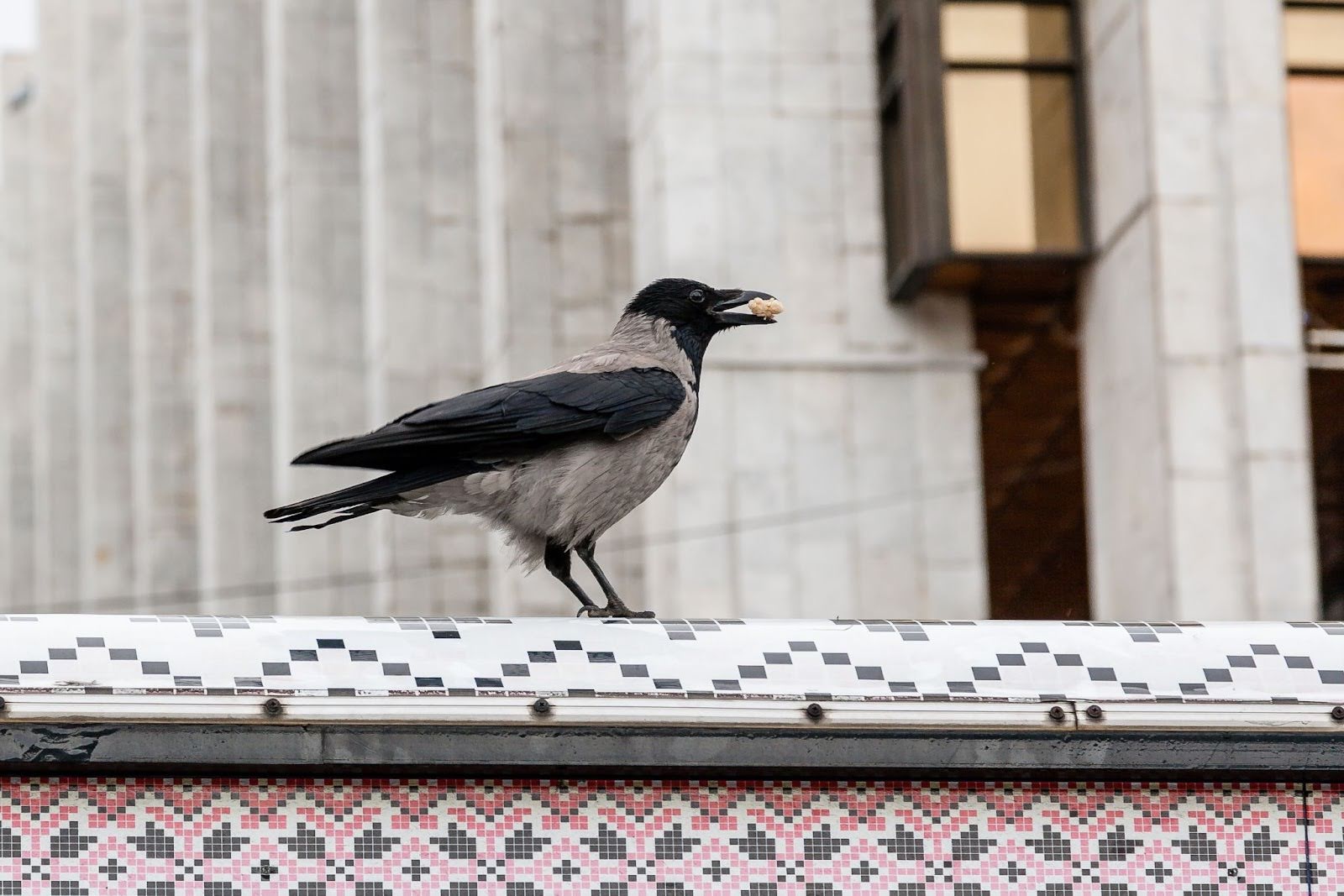
Pigeons, sparrows, and seagulls are the most common bird species found around business properties. Pigeons prefer ledges, signs, and rooftops to roost safely, while sparrows seek small crevices in vents or machinery. Seagulls are often drawn to buildings near food sources or dumpsters, creating noise and hygiene problems. Each bird type presents unique challenges based on behavior and nesting habits, requiring tailored removal strategies. Professionals identify the species to apply the most effective and humane deterrent methods.
How Bird Infestations Impact Businesses
Bird infestations cause multiple forms of property damage and operational risks. Droppings contain uric acid that corrodes metal and paint, and nests can clog drainage systems, leading to costly water leaks. Birds also carry mites and bacteria that spread diseases, putting employees and visitors at risk. Businesses with visible bird activity may appear unclean or unsafe, deterring customers and damaging brand credibility. Effective bird pest removal restores professional standards and protects long-term investment.
Humane Bird Pest Removal Methods That Work
Humane bird pest removal methods aim to prevent access rather than harm wildlife. They modify the environment so birds can’t find comfortable nesting spots or reliable food sources. This approach supports both sustainability and compliance with wildlife laws. Businesses achieve lasting results without disturbing the natural ecosystem by choosing safe deterrents like bird netting, spikes, and sensory systems.
Bird Netting for Lasting Bird Exclusion
Bird netting is a proven exclusion method that creates a physical barrier between birds and their target areas. It’s commonly used in warehouses, rooftops, and loading bays where open spaces attract flocks. The nets are made from UV-stabilized polyethylene or nylon, offering long-term resistance against weather and sun exposure. Proper installation is essential—nets must be tensioned and anchored tightly to prevent gaps. When installed correctly, netting is discreet, durable, and capable of keeping birds away for years.
Bird Spikes for Structural Protection
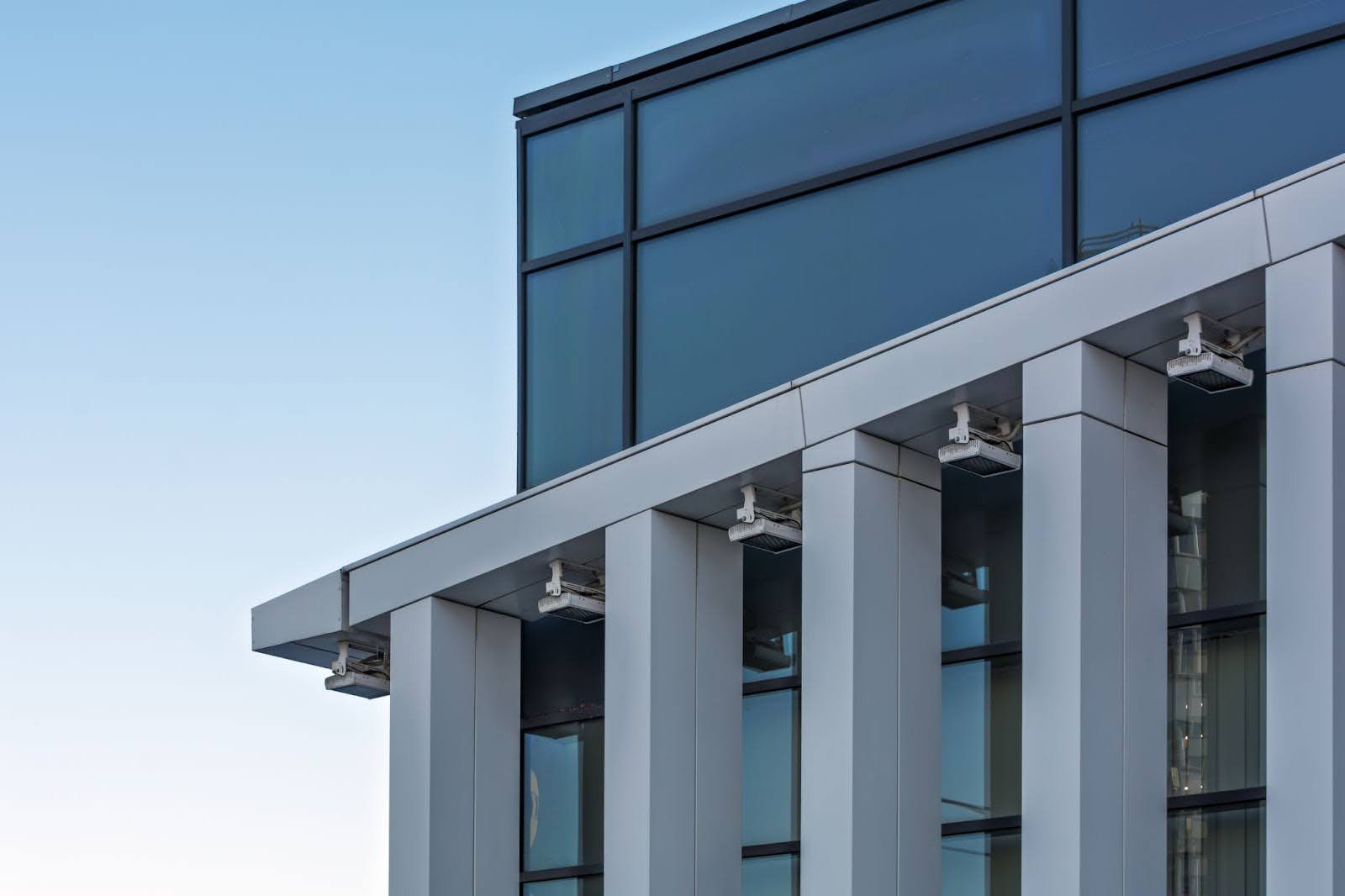
Bird spikes prevent birds from perching or nesting on ledges, signage, and rooflines. These spikes are made of stainless steel or polycarbonate and feature blunt tips that discourage birds without injuring them. They’re easy to install and blend seamlessly with most architectural designs, maintaining aesthetics while blocking access. Spikes are ideal for narrow ledges and parapets where birds frequently land. Once in place, they reduce droppings, block nesting, and require little maintenance, making them an economical choice for long-term protection.
Visual Bird Deterrents That Disrupt Behavior
Visual deterrents rely on light and motion to disturb birds’ comfort zones and alter their behavior. Reflective strips, holographic discs, and predator decoys are commonly used to scare off approaching birds. Birds perceive reflections and movement as threats, encouraging them to relocate. These devices are most effective in open areas like courtyards and rooftops. For sustained results, professionals often rotate deterrents or combine them with netting to prevent birds from adapting over time.
Sound and Ultrasonic Bird Control Systems
Sound deterrents and ultrasonic devices offer noninvasive bird control for large outdoor zones. They emit distress calls or predator sounds that naturally repel birds. Ultrasonic systems produce high-frequency waves that are inaudible to humans but unpleasant to birds. The key to effectiveness is variation—sound patterns change to prevent habituation. These systems integrate easily with motion sensors, automatically activating when birds are detected near sensitive areas like HVAC units or storage roofs.
Long-Term Bird Pest Removal Strategies
Long-term bird pest control requires consistent monitoring, maintenance, and adjustment of deterrents. Success depends on identifying attractants, maintaining installations, and evaluating seasonal bird behavior. Businesses that approach bird management proactively save on future cleanups and prevent repeated infestations. A structured, professional plan ensures continued protection across changing conditions.
Property Inspection and Risk Evaluation
Professional inspections form the foundation of an effective bird removal plan. Technicians examine high-risk areas, such as vents, ledges, and signage, where birds often nest. They also assess environmental attractants like food waste or standing water that can encourage return visits. This data-driven evaluation helps determine the correct mix of spikes, netting, and deterrents for maximum efficiency. Comprehensive site reports guide property owners in maintaining safe and bird-free facilities.
Ongoing Maintenance and Cleaning
Consistent cleaning and maintenance play a central role in keeping deterrents effective. Accumulated debris, droppings, or weather damage can weaken installations, creating opportunities for birds to return. Regular inspections help identify early signs of nesting or deterioration. Cleaning schedules should include disinfecting affected areas and responsibly removing nesting materials. Businesses sustain a clean, compliant, and protected environment by maintaining deterrents and sanitation.
Monitoring Seasonal Bird Behavior
Bird patterns shift with seasons, affecting where and how deterrents should be applied. During nesting periods, for instance, birds become more territorial and persistent. Regular monitoring helps anticipate these shifts before they lead to infestations. Technicians can adjust or reinforce deterrents accordingly to maintain effectiveness. Adapting control strategies with seasonal changes ensures that deterrent systems remain efficient and humane year-round.
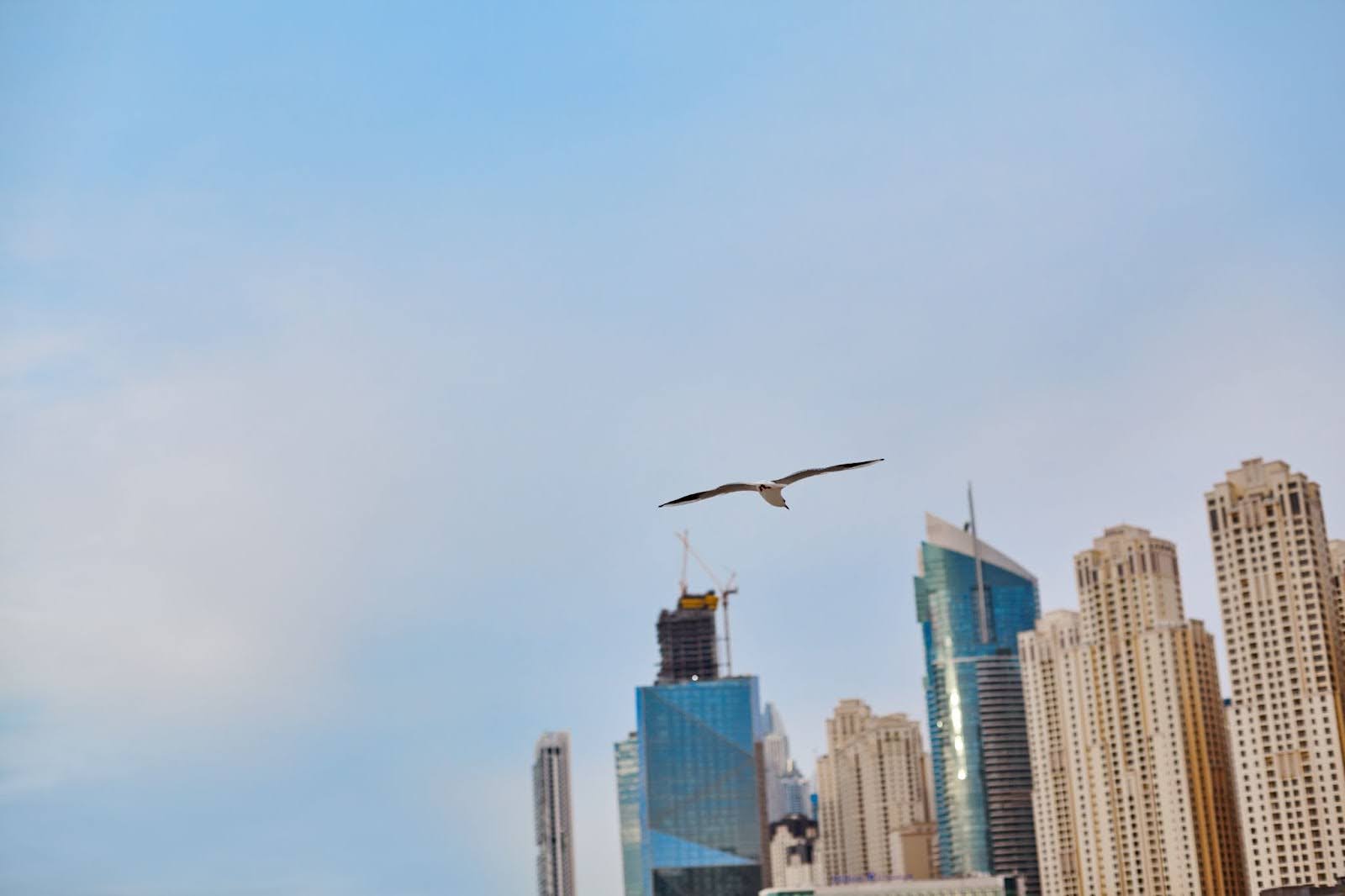
ALT TEXT: Birds flying in the sky with buildings in the background.
Why Professional Bird Pest Removal Matters
Professional bird pest removal offers reliable, safe, and compliant solutions that DIY methods often fail to achieve. Experts possess specialized tools and training to install deterrents in hard-to-reach areas like rooftops or signage. They also ensure adherence to local wildlife protection laws, avoiding penalties or ethical concerns. Working with professionals gives businesses measurable, lasting protection backed by maintenance plans and warranties.
Limitations of DIY Bird Control Methods
DIY deterrents like fake owls, plastic spikes, or chemical repellents often produce inconsistent results. Birds quickly recognize stationary decoys and return within days. Improperly installed spikes or loose netting can trap birds or create safety risks. Additionally, cleaning droppings without proper gear exposes workers to harmful pathogens. Professional removal services eliminate these issues through expert planning, ensuring humane results and long-term efficiency.
What Businesses Can Expect from Experts
A professional bird pest removal service begins with inspection and consultation to define the scope of infestation. Specialists then design and install deterrents suited to the building’s structure and exposure level. Post-installation evaluations confirm coverage, followed by maintenance schedules to sustain performance. Technicians use certified safety equipment to work at height, protecting workers and property. Clear documentation, transparent pricing, and compliance checks provide complete accountability.
Legal and Environmental Compliance in Bird Removal
Regulations under wildlife protection laws prohibit harming particular bird species or disturbing active nests. Licensed bird control companies adhere to these laws while designing humane deterrent systems. Their practices also reduce environmental harm by avoiding toxic materials or invasive methods. Compliance ensures both ethical responsibility and legal security for businesses. This approach aligns with corporate sustainability standards, promoting a positive public image and responsible operations.
Bird Pest Removal in Commercial Environments
Due to their size, layout, and activity levels, commercial buildings require customized strategies. Open areas, high ceilings, and constant human presence make them ideal for birds seeking shelter. Bird pest removal in these spaces demands durable, low-visibility deterrents that maintain appearance and accessibility. Professional solutions combine functionality with aesthetics, keeping properties clean and compliant without disrupting operations.
Industry-Specific Bird Control Solutions
Different industries face unique challenges that require tailored bird management approaches. Restaurants attract pigeons through outdoor dining and waste disposal areas, while warehouses provide high beams ideal for nesting. Healthcare facilities need sterile environments where droppings pose health hazards. Maintaining visual appeal is crucial for retail buildings, so discreet deterrents like clear spikes or netting are used. Understanding these differences allows professionals to deliver precise, industry-appropriate bird control systems.
Evaluating the Cost and Long-Term ROI
The cost of bird pest removal depends on property size, infestation level, and chosen deterrent method. Although netting large areas requires a higher initial investment, it prevents costly damage and repeated infestations. Spikes and sensory deterrents offer flexible, affordable protection for smaller zones. When compared to the expenses of cleaning, repairs, and lost business reputation, professional control provides clear long-term value. Businesses investing in humane, sustainable solutions gain lasting savings and improved public perception.
Protect Your Property With Proven Bird Pest Removal
Bird infestations are more than a maintenance issue—they threaten safety, hygiene, and reputation. Partnering with professionals for humane bird pest removal protects your property without harming the environment or your business image. Expertly installed bird netting, spikes, and deterrent systems provide a lasting defense that prevents costly repairs and disruptions. Choosing proven, ethical control methods now builds a cleaner, stronger, and more resilient property that stands the test of time.
Explore fresh insights on humane bird control at the Elite Bird Management blog—where innovative prevention meets real-world expertise.