Bird Spikes for Pigeons: How Effective Are They?
Pigeons settle where food, shelter, and quiet ledges remain easy to access. Commercial properties often provide these conditions without strong deterrents. Their presence creates visible damage, sanitation concerns, and rising maintenance costs. Business owners need solutions that protect property while keeping operations uninterrupted. Bird spikes for pigeons offer a practical and proven way to control these persistent issues without disrupting daily business flow.
Why Pigeons Target Business Properties
Pigeons choose commercial buildings because these spaces provide reliable shelter and steady access to food. Flat ledges, rooflines, and signage create stable resting areas that support daily activity. This behavior leads to repeated visits that, over time, form larger infestations. Understanding these patterns helps business owners apply targeted and effective bird control solutions.
Common Pigeon Roosting Areas
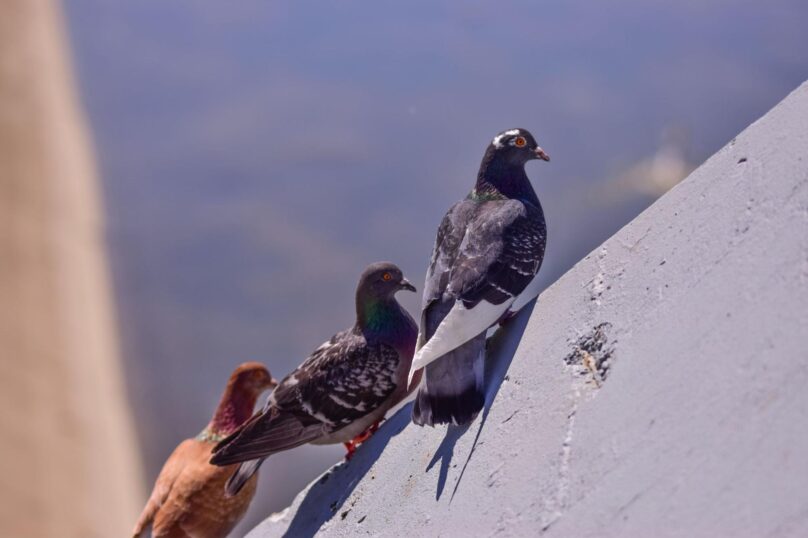
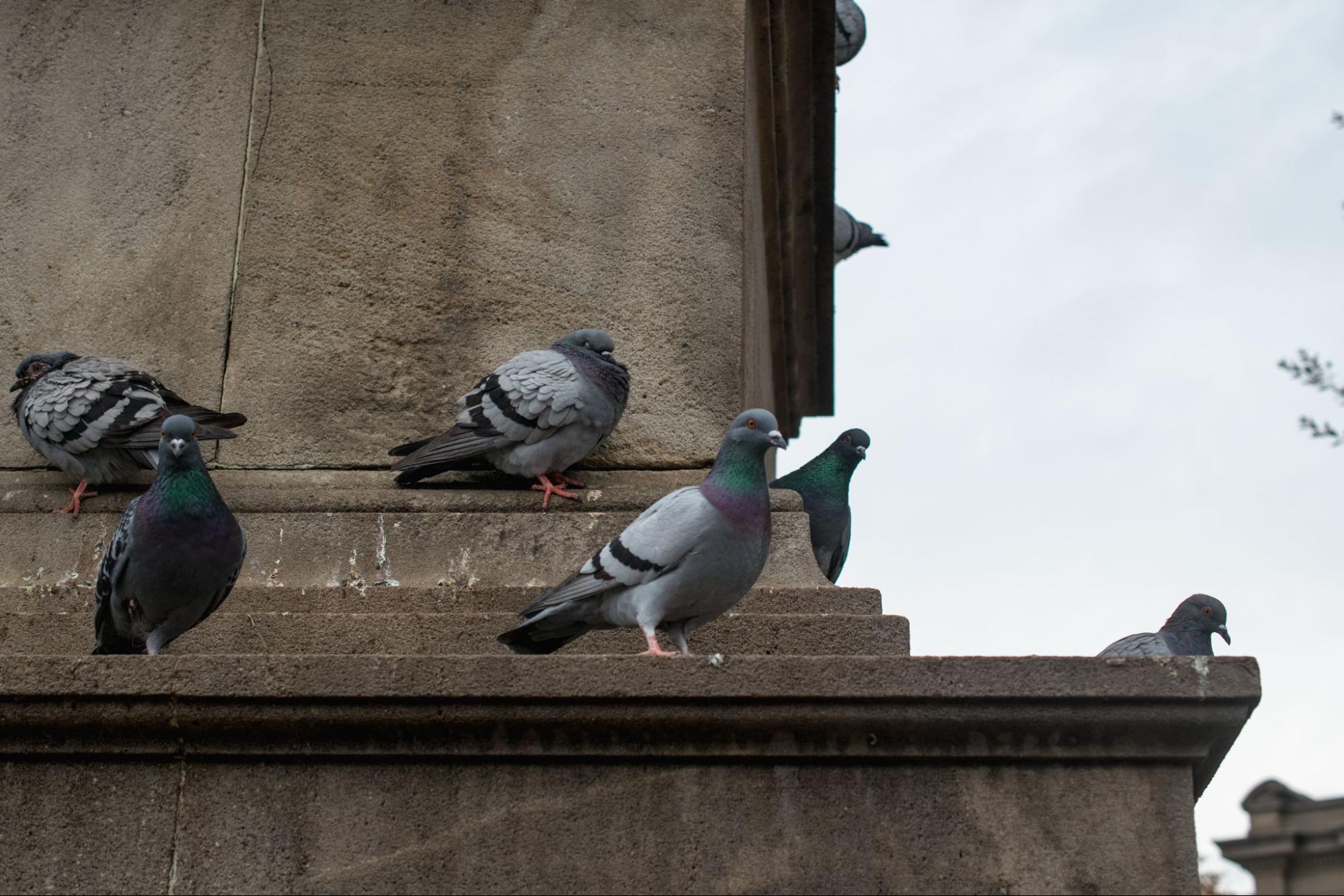
Pigeons prefer elevated surfaces that provide safety from ground-level disturbances and human traffic. Roof edges and window ledges offer wide visibility and a stable footing for resting birds. Signage structures and lighting fixtures attract pigeons because they provide warmth and minimal disruption. Air conditioning units also create sheltered spaces that support nesting behavior over time. These areas allow pigeons to settle comfortably and return repeatedly throughout the day.
Consistent use of these spots increases the likelihood of long-term infestation if left unmanaged.
Costs Linked to Pigeon Infestations
Pigeon infestations increase operational costs through ongoing cleaning, repairs, and maintenance. Droppings contain acidic properties that damage paint, roofing materials, and metal surfaces over time. Customer perception often declines when a property appears unclean or poorly maintained. Employees also face safety risks when walkways become slippery due to waste buildup. Health concerns arise from bacteria and airborne particles associated with pigeon activity. These combined issues create ongoing financial pressure and disrupt daily operations.
Building Design That Attracts Pigeons
Building design can unintentionally create ideal conditions for pigeon activity and long-term nesting. Many commercial structures include features that provide shelter, stability, and minimal disturbance. These elements allow pigeons to settle comfortably and return repeatedly. Understanding these design factors helps business owners address the root cause of infestations.
Ledges and Overhangs as Shelter Points
Wide ledges and deep overhangs offer pigeons a safe and stable place to rest throughout the day. These surfaces protect birds from wind and rain while keeping them out of direct human activity. This protection makes these areas highly attractive for both roosting and nesting. Pigeons prefer locations where they can remain undisturbed for long periods. Repeated use of these spaces strengthens their attachment to the structure. Without deterrents, these areas quickly become permanent resting zones.
Recessed Spaces and Hidden Gaps
Recessed architectural features create hidden spaces that pigeons use for nesting and shelter. These areas include gaps behind signage, beams, and structural joints. This type of space protects from predators and weather exposure. Pigeons often build nests in these concealed areas, making removal more difficult. These hidden zones also allow infestations to grow undetected. Identifying and sealing these gaps reduces long-term risks.
Heat Sources That Encourage Nesting
Heat-emitting structures attract pigeons by creating comfortable resting environments during cooler periods. Equipment such as HVAC units and lighting fixtures produces consistent warmth. This warmth encourages pigeons to remain in the area for extended periods. Birds often choose these spots for nesting because they provide a suitable environment for egg incubation. Over time, this behavior leads to increased pigeon presence around the building. Addressing these zones with deterrents helps limit long-term nesting activity.

What Are Bird Spikes for Pigeons
Bird spikes for pigeons act as physical barriers that prevent birds from landing on surfaces. These devices consist of narrow rods arranged closely to block comfortable perching spots. This system design focuses on deterrence rather than harm, which makes it suitable for commercial use. Businesses install them on ledges, roofs, signage, and other flat areas where pigeons tend to gather.
Materials Used in Bird Spikes
Bird spikes are commonly made from stainless steel or durable plastic, depending on the intended use. Stainless steel spikes offer strong resistance to harsh weather and long-term wear. Plastic spikes provide a more affordable option for areas with lighter bird activity. This material choice depends on environmental exposure and budget considerations. Flexible bases allow spikes to adapt to uneven or curved surfaces during installation. Choosing the right material improves durability and overall system performance.
How Bird Spikes Prevent Landing
Bird spikes prevent pigeons from landing by eliminating flat and stable surfaces for perching. The rods create an uneven footing that birds find uncomfortable and unsafe. Visual deterrence also plays a role, since pigeons avoid areas that appear obstructed. This setup encourages birds to relocate to nearby, more suitable environments. Repeated exposure reinforces avoidance behavior and reduces return visits over time. Consistent installation across all problem areas improves effectiveness.
Best Placement for Bird Spikes
Bird spikes work best when installed on surfaces where pigeons frequently land or rest. Ledges, rooflines, signage, and lighting fixtures remain priority areas for coverage. This placement strategy blocks access to key roosting points and limits nesting opportunities. Gaps between spike sections can reduce performance and allow pigeons to return. Professional planning helps identify all vulnerable areas across the property. Accurate placement leads to more consistent and long-lasting results.
Are Bird Spikes Effective for Pigeons
Bird spikes prove effective when installed correctly and used in the right conditions. They reduce pigeon activity by restricting access to preferred landing areas. This approach works best when coverage remains consistent across all high-risk zones. Business owners see reliable results when they combine proper placement with routine inspection and maintenance.
Benefits of Bird Spikes for Businesses
Bird spikes provide a humane solution that aligns with wildlife protection standards and regulations. They reduce cleaning demands by preventing droppings from accumulating on surfaces. Maintenance teams spend less time managing recurring bird-related issues. Businesses maintain a cleaner and more professional appearance for customers and visitors. The system operates continuously without requiring electricity or active monitoring. Over time, these benefits help reduce overall operational costs.
When Bird Spikes Work Best
Bird spikes perform well on flat, narrow surfaces where pigeons commonly land. This setup allows full coverage without leaving gaps that birds could exploit. Low- to moderate-infestations respond quickly to spike installation. Predictable pigeon behavior also improves the success of this method. Regular inspections help maintain consistent performance over time. These conditions support reliable long-term results for commercial properties.
Limits of Bird Spikes to Consider
Bird spikes may lose effectiveness if installation leaves gaps or weak points uncovered. This limitation allows pigeons to find nearby alternative landing spots. Large open areas may require additional deterrent systems for full coverage. Heavy infestations often need combined solutions for better control. Lower-quality materials can degrade under harsh weather conditions. Understanding these limits helps businesses create more effective bird control strategies.
Bird Spikes vs Other Bird Deterrents
Bird spikes compare well with other pigeon control methods in terms of cost and simplicity. They focus on blocking access instead of altering behavior through chemicals or electrical systems. This approach makes them suitable for a wide range of commercial environments. Business owners often compare options before selecting the most practical solution.
Netting and Electric Track Systems
Bird netting creates a barrier that blocks pigeons from accessing large open areas. Electric track systems emit mild pulses that discourage birds from landing on the surface. These systems require professional installation and ongoing monitoring to remain effective. Netting works well for warehouses, loading docks, and large structural openings. Electric tracks offer targeted control but come with higher setup costs. Both methods offer broader coverage but require more complex maintenance.
Chemical and Visual Deterrents
Chemical repellents use scent or taste to discourage pigeons from landing on surfaces. These products require frequent reapplication to maintain effectiveness over time. Visual deterrents use reflective materials or predator-like designs to deter birds. Pigeons often adapt to these methods after repeated exposure. These options work better as short-term solutions rather than permanent fixes. Combining them with spikes can improve overall results.
Choosing Bird Spikes for Commercial Use
Choosing bird spikes involves evaluating material quality, placement needs, and long-term value. This decision affects how well the system performs under real operating conditions. Business owners should assess building structure, exposure, and infestation levels before purchasing. Careful selection leads to better results and fewer recurring problems.
Features That Improve Performance
Durable materials help bird spikes withstand weather exposure and environmental stress. This durability extends the lifespan of the installation and reduces the need for replacement. Flexible bases make installation easier on uneven or curved surfaces. Spike density determines how effectively gaps are covered across ledges. UV resistance prevents breakdown from prolonged sun exposure. These features improve reliability and overall performance.
Cost vs Long-Term Value
Lower-cost options seem attractive but often require more frequent replacement. This short-term saving can lead to higher long-term expenses. High-quality spikes provide better durability and more consistent results. Installation costs vary depending on building size and structural complexity. Reduced cleaning and repair needs help offset the initial investment. Balancing cost and value leads to smarter purchasing decisions.
When to Use Professional Installation
Professional installation improves placement accuracy and system effectiveness. This service identifies problem areas that may not be immediately visible. Experts apply proper techniques to avoid gaps and weak coverage. Safety risks are also reduced during installation on high structures. Complex properties benefit the most from professional support. This approach leads to more reliable and lasting results.
Prevent Roosting With Bird Spikes for Pigeons
Pigeon activity rarely fades without clear deterrents in place, and unmanaged areas often attract repeat visits. Bird spikes for pigeons create a controlled barrier that keeps surfaces clean and usable for daily operations. This solution works best when paired with proper placement and attention to structural risk areas. Businesses that combine spikes with a broader bird management approach maintain stronger control over ongoing activity. Consistent action today supports a cleaner, safer, and more reliable property environment over time.
Get practical insights and proven strategies on the Elite Bird Management blog. Find solutions that match your property’s real needs.