
Common Misconceptions About Bird Netting for Buildings
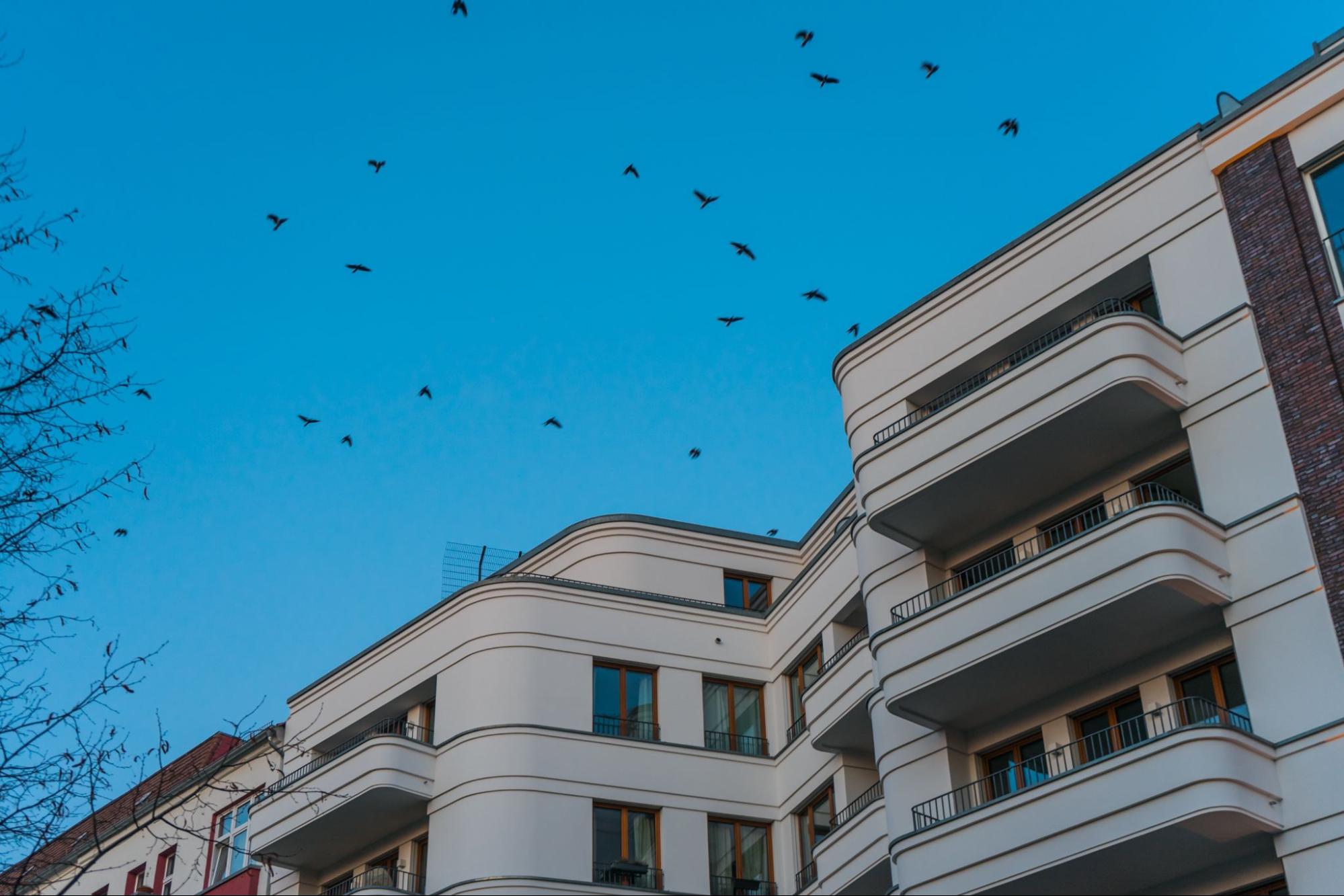
Building owners across cities face ongoing issues with birds nesting or roosting on rooftops, signage, and ledges. These birds damage surfaces, creating health and safety hazards that disrupt daily operations. Despite the growing need for protection, many property owners hesitate to use commercial bird netting because of misleading ideas. Understanding these misconceptions helps businesses make
smarter, long-lasting choices that protect their investments and local wildlife.
Why Understanding Bird Netting Misconceptions Matters
Recognizing the misconceptions about bird netting is essential for making informed, cost-effective decisions to protect buildings and wildlife. Many business owners delay installation because of misinformation about cost, maintenance, or safety. These myths often lead to recurring infestations, unnecessary repairs, and higher expenses. By understanding the truth behind bird netting, property owners can invest confidently in a humane, durable, and visually discreet solution that safeguards their premises for years. Additionally, dispelling these false beliefs encourages thoughtful planning and promotes responsible, long-term building management.
The Science Behind Effective Bird Control
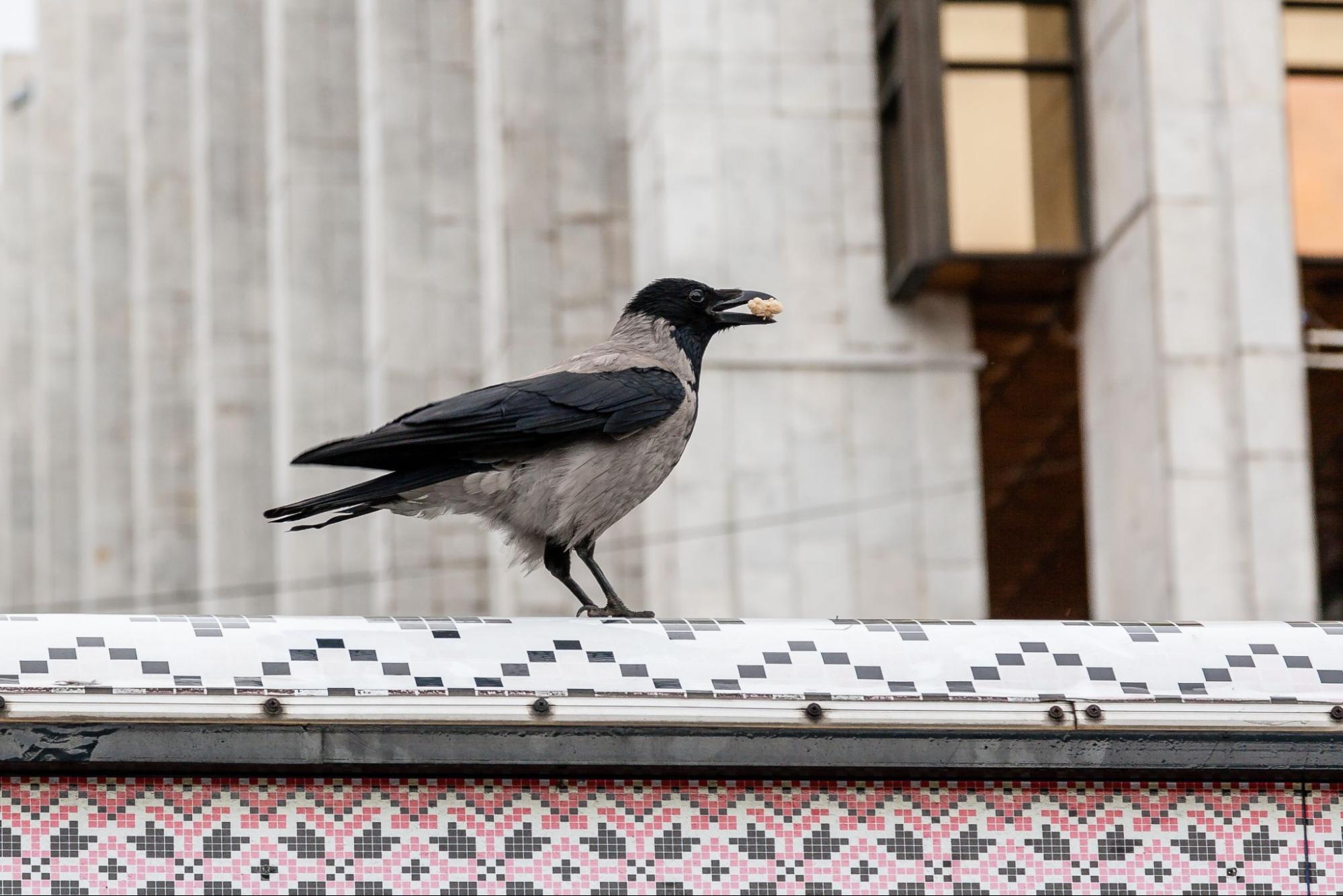
Bird netting works not only because it physically blocks access but also because it’s based on bird behavior and environmental science. Most birds seek safe, flat surfaces to nest or rest, and netting removes those opportunities without causing distress. Studies in urban pest management show that exclusion techniques like netting achieve higher long-term success rates than repellents alone. Understanding this behavioral foundation gives building owners confidence that the solution isn’t guesswork—it’s grounded in proven, science-backed principles.
Common Myths About Bird Netting for Buildings
Many misconceptions surround bird netting, causing building owners and managers to hesitate. These misunderstandings often arise from outdated opinions, unverified claims, or poor past installations. In truth, bird netting has become a trusted and humane way to prevent damage, mess, and safety risks caused by pest birds. Clearing these myths helps property owners make more intelligent, more confident decisions about protecting their buildings.
Myth 1: Bird Netting Hurts or Traps Birds
Many think bird netting harms or traps birds, but this idea is outdated. Modern systems use soft, UV-treated materials that prevent injury and allow birds to bounce off safely. Certified bird net installers inspect buildings beforehand to ensure no nests or chicks are present. The design serves as a harmless barrier rather than a trapping device. When installed correctly, bird netting protects buildings and wildlife safely and humanely. This humane approach aligns with environmental standards, proving that safety and protection coexist effectively.
Myth 2: It Makes Buildings Look Unattractive
Some assume bird netting ruins a building’s appearance or makes it look industrial. Today’s netting options are sleek, subtle, and barely visible from a distance. They come in neutral tones like black, stone, or clear to match any facade. Installers use discreet fittings to maintain a clean, professional finish. With the right design, bird netting preserves the look and the safety of any building. Many architects now recommend netting because it blends naturally with modern structures without altering their appeal.
Myth 3: It’s Too Expensive for Most Buildings
A common myth is that bird netting costs too much for regular property owners. While installation requires an upfront investment, it saves money in the long term by preventing recurring cleaning and repair costs. Durable nets last up to a decade and are far outlasting cheaper alternatives. Many providers also offer warranties for extra value and confidence. Over time, it is one of the most cost-effective building protection options available. In financial terms, the return on investment outweighs the cost within just a few maintenance cycles.

Myth 4: It Needs Constant Maintenance
Some believe bird netting requires ongoing maintenance to stay effective. In truth, modern nets made from UV-resistant materials hold their shape for years with minimal care. Routine inspections twice a year are typically enough to keep them in top condition. Light cleaning removes dust or debris without effort. With proper installation, netting remains durable and functional without constant attention. This minimal maintenance requirement gives property owners peace of mind and frees up resources for other priorities.
Myth 5: Bird Nets Are Only for Industrial Settings
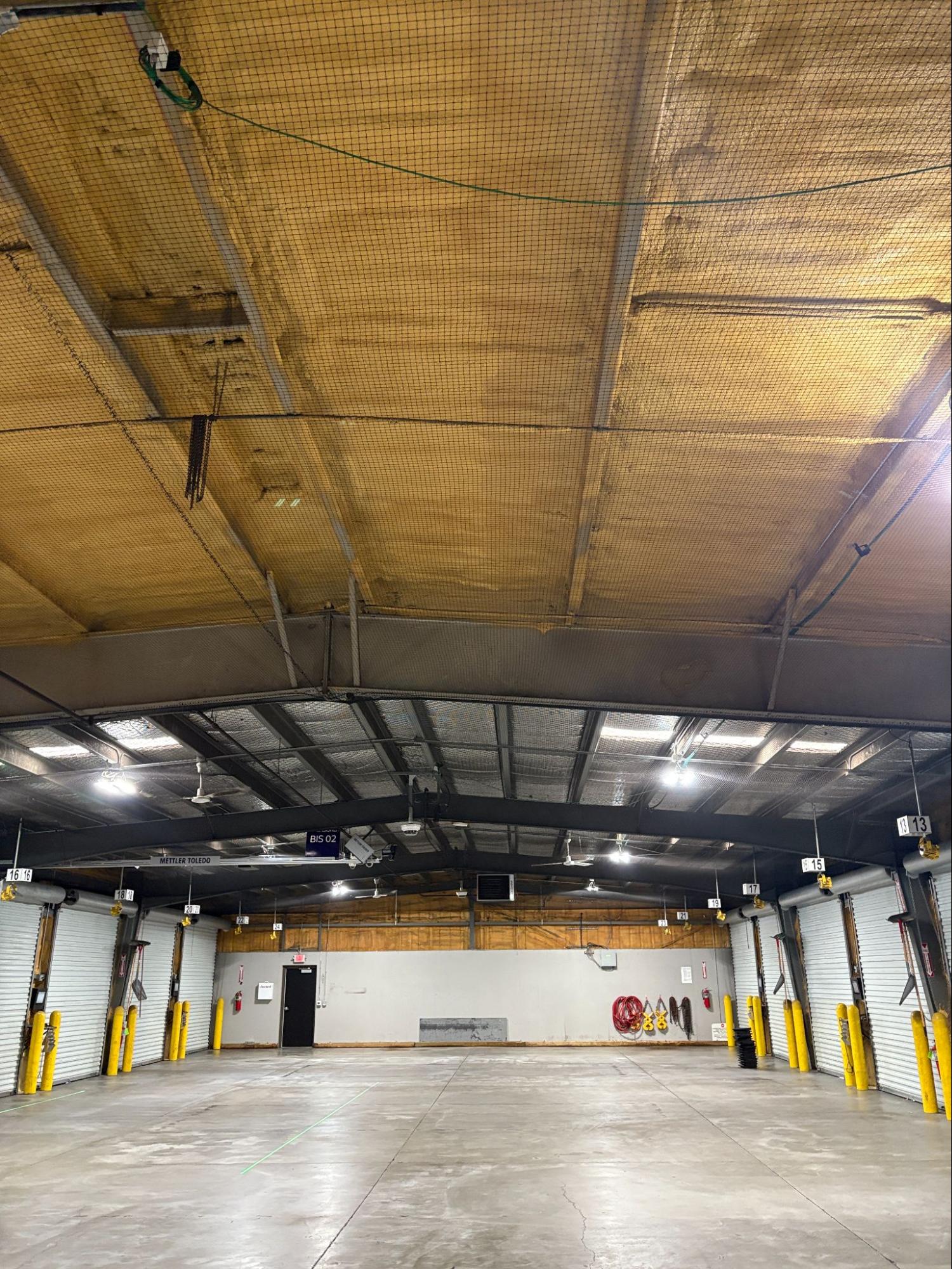
Many think bird netting is only suitable for warehouses and factories. However, it’s now widely used for offices, hospitals, schools, and apartment complexes. Each installation is customized to fit the building’s architecture and bird pressure. Heavier systems suit commercial spaces the best. This flexibility makes netting effective for nearly any property type. Its adaptability also allows professionals to design systems that complement diverse environments, from historic facades to modern glass towers.
Myth 6: It Blocks Airflow and Natural Light
Some fear that bird netting restricts ventilation or sunlight in open spaces. The opposite is true—netting is designed to maintain natural airflow and brightness. The mesh openings allow sunlight and air to pass freely without obstruction. Transparent materials also prevent heat buildup or dark interiors. Buildings remain airy, comfortable, and protected while staying visually open. This breathable structure keeps environments pleasant while maintaining energy efficiency across all seasons.
Myth 7: DIY Installation Works Just as Well
Many property owners try to install bird netting themselves to save costs. Unfortunately, DIY setups often result in loose anchors, sagging nets, or unsafe gaps. Professionals use precision tools and proper tensioning methods for lasting performance. Certified installers seal every edge securely to eliminate weak points. Their expertise ensures safer, more durable, and compliant installations than any DIY attempt. Even high-quality materials can fail quickly without proper installation, costing more to fix later.
Myth 8: Nets Tear or Degrade Quickly
Another misconception is that bird netting breaks down easily under harsh weather. Modern versions are made from UV-stabilized polyethylene and corrosion-resistant steel fittings. These materials withstand sunlight, wind, and rain while holding their shape for years. Manufacturers test each system for tensile strength and durability before use. When installed correctly, quality netting can protect buildings for over a decade. Its proven endurance makes it one of today’s most reliable and sustainable bird control options.
Myth 9: One Type Fits Every Building
Some believe all bird netting works the same way, but every building has unique needs. Different species, layouts, and environmental conditions require customized designs. Professionals assess each site to choose proper mesh sizes and installation methods. For heritage or complex structures, non-invasive fittings are used to protect integrity. Customization guarantees effective and long-term bird prevention for every property type. Tailored systems also ensure compliance with safety codes and enhance overall building performance.
Myth 10: Bird Nets Can Replace All Other Deterrents
Many assume bird netting alone solves all bird-related issues. In reality, effective bird control often combines multiple deterrent methods. Netting blocks access points, while spikes, sound devices, or gels discourage nesting and perching. Together, these tools create a complete and lasting protection plan. Professional assessment ensures that every method works in harmony for optimal results. This integrated strategy delivers stronger, long-term protection and prevents birds from adapting to a single deterrent.
Why Bird Netting for Buildings is a Smart Decision
If ignored, bird infestations can lead to severe property damage, hygiene issues, and unnecessary expenses. Misconceptions often discourage owners from adopting reliable solutions, leaving buildings vulnerable to recurring problems. In truth, bird netting offers a practical, ethical, and long-term way to safeguard any structure. It combines strength, subtlety, and cost efficiency, keeping buildings clean and protected without harming wildlife. Professionally installed systems ensure durability, preserve aesthetics, and eliminate the need for constant maintenance, giving property owners lasting peace of mind and dependable protection.
How Professional Assessment Shapes Effective Installation
Every successful bird control project starts with a thorough site inspection. Before designing the layout, professionals identify bird species, nesting patterns, and high-activity zones. This precision ensures that materials, mesh sizes, and mounting points fit the structure’s unique needs. A customized approach also minimizes visual impact while maximizing durability and safety. By investing in expert assessment, property owners avoid costly rework and enjoy a tailored system that performs flawlessly over time.
The Hidden Costs of Ignoring Bird Infestations
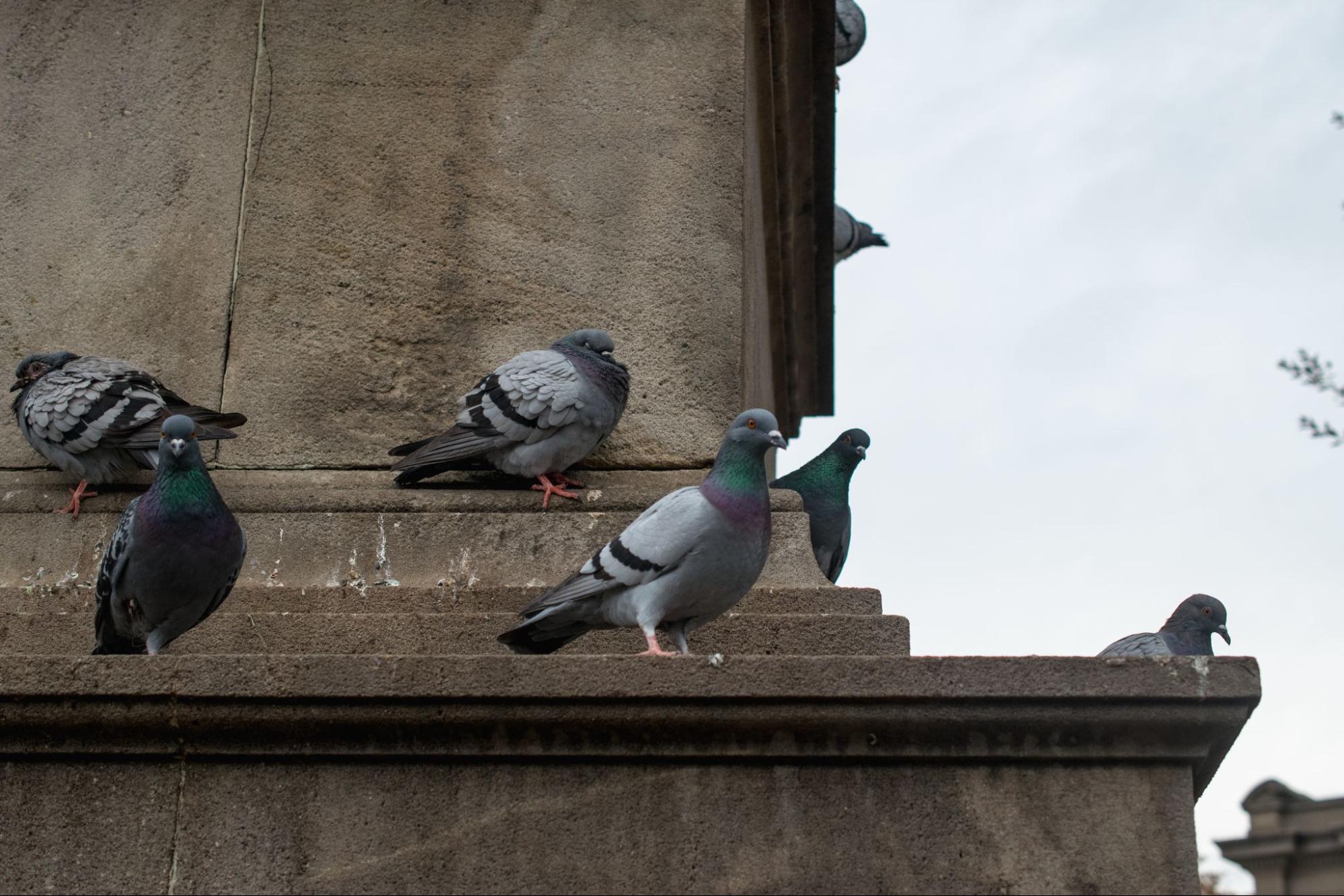
Many building owners underestimate the financial and operational impact of ongoing bird problems. Accumulated droppings can corrode metal, damage solar panels, and even trigger health compliance issues. The cleanup costs and reputation damage often exceed the price of proper prevention. Over time, neglected infestations reduce property value and increase tenant complaints or business disruptions. Addressing the issue early with professional bird netting prevents escalating expenses and long-term structural harm.
Protect Property Value Through Bird Netting Solutions
Every well-maintained building reflects care, professionalism, and long-term foresight. Bird netting not only keeps spaces clean but also preserves the integrity and value of the property itself. Ignoring the problem allows costly damage and health risks to accumulate quietly over time. Choosing a proven, humane netting solution is a wise, future-focused decision that safeguards your investment and reputation for years.
Continue learning how to protect your property with confidence. Visit the Elite Bird Management blog for expert advice and proven bird control strategies.