Nets for Birds: Which Industries Need Them?
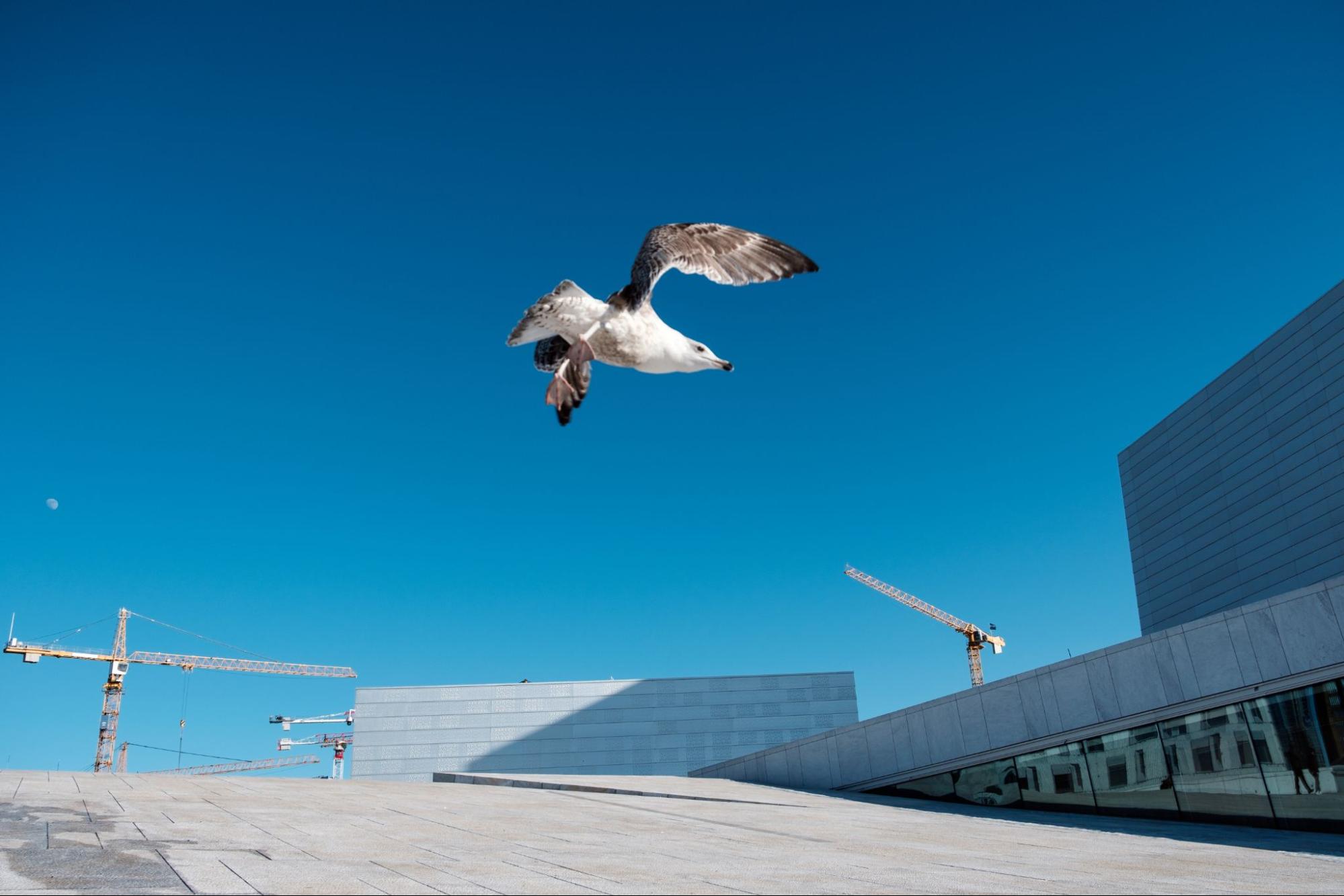
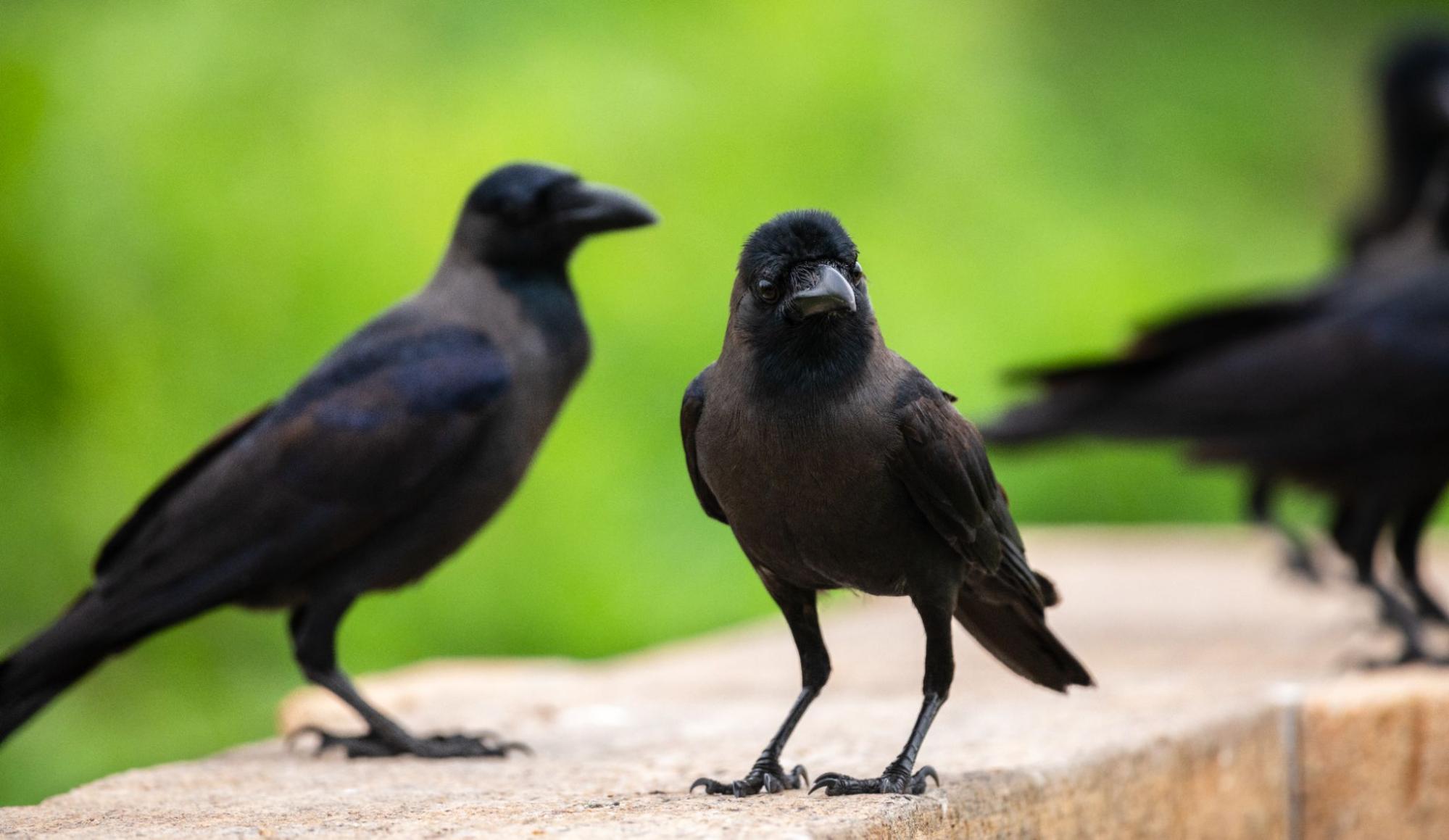
Bird activity disrupts business environments in ways many owners fail to anticipate. Droppings, nesting, and noise gradually damage property and affect daily operations. These problems often escalate into higher maintenance costs and compliance risks over time. Many industries now rely on nets for birds to control access and reduce recurring issues. Businesses that take preventive steps protect both their assets and customer experience.
Why Businesses Use Bird Netting Systems
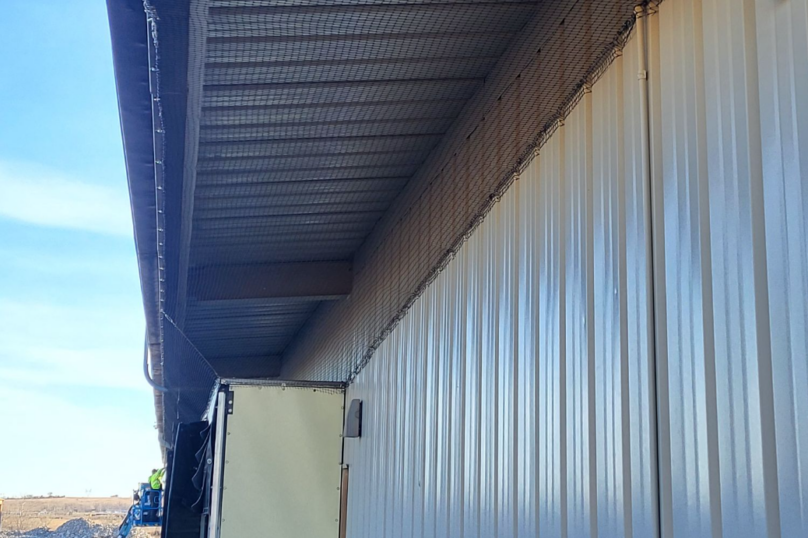
Bird netting systems provide a direct way to block access and reduce damage from bird activity. These systems create physical barriers that prevent nesting, roosting, and contamination across business properties. Companies invest in this solution because it reduces long-term maintenance costs and operational disruptions. Industry data from facility management reports shows that preventive measures lower repair expenses and improve compliance outcomes.
Bird Risks in Daily Business Operations
Birds introduce ongoing risks that affect both safety and efficiency in business settings. They settle in hidden areas, which makes removal difficult once nesting begins. Droppings damage surfaces and create slippery conditions, increasing the risk of accidents. Equipment may fail when debris accumulates in vents or machinery over time. Additionally, bird presence can affect indoor air quality when contaminants circulate. These operational issues increase costs and reduce productivity if left unmanaged.
Compliance and Cost Pressures from Birds
Businesses must meet strict sanitation and safety standards across many regulated industries. Bird contamination can lead to failed inspections and penalties that affect operations. Insurance providers may also increase premiums when damage occurs repeatedly. Repairs caused by nesting and corrosion add ongoing expenses that strain budgets. Inventory loss from contamination reduces profitability and weakens customer trust. These financial pressures push companies to adopt long-term bird control solutions.
Industries That Rely on Bird Netting
Bird-related disruptions affect a wide range of industries that depend on clean, controlled environments. Different sectors face unique challenges, yet they share the same need to prevent nesting and contamination. Nets for birds offer a consistent solution that adapts to various structures and operational demands. Understanding which industries benefit most helps business owners make informed decisions about long-term protection.
Commercial Building Spaces
Commercial properties are constantly exposed to bird activity due to their structural design and location. Open ledges, signage, and rooftops create ideal nesting areas that attract birds over time. These conditions lead to visible damage, higher cleaning costs, and tenant dissatisfaction. Nets for birds help block access and maintain clean, professional environments across these properties.
Office Buildings and High-Rise Protection
Office buildings attract birds due to elevated ledges and sheltered exterior features. Birds settle in these areas and create visible buildup that damages windows and surfaces. Maintenance teams must increase cleaning frequency, which raises operational costs over time. HVAC systems may also suffer when debris enters vents and airflow systems. Tenants often notice these issues, which can affect satisfaction and leasing decisions. Bird netting provides a discreet barrier that protects both structure and reputation.
Retail Spaces and Customer Experience
Retail environments depend heavily on cleanliness and visual appeal to attract customers. Birds in these areas create discomfort and disrupt the shopping experience. Droppings near entrances or seating areas raise sanitation concerns and reflect poorly on the brand. Food-related spaces face stricter risks due to potential contamination. Staff must spend more time addressing these issues, which affects service efficiency. Bird netting helps maintain a clean environment that supports customer confidence.
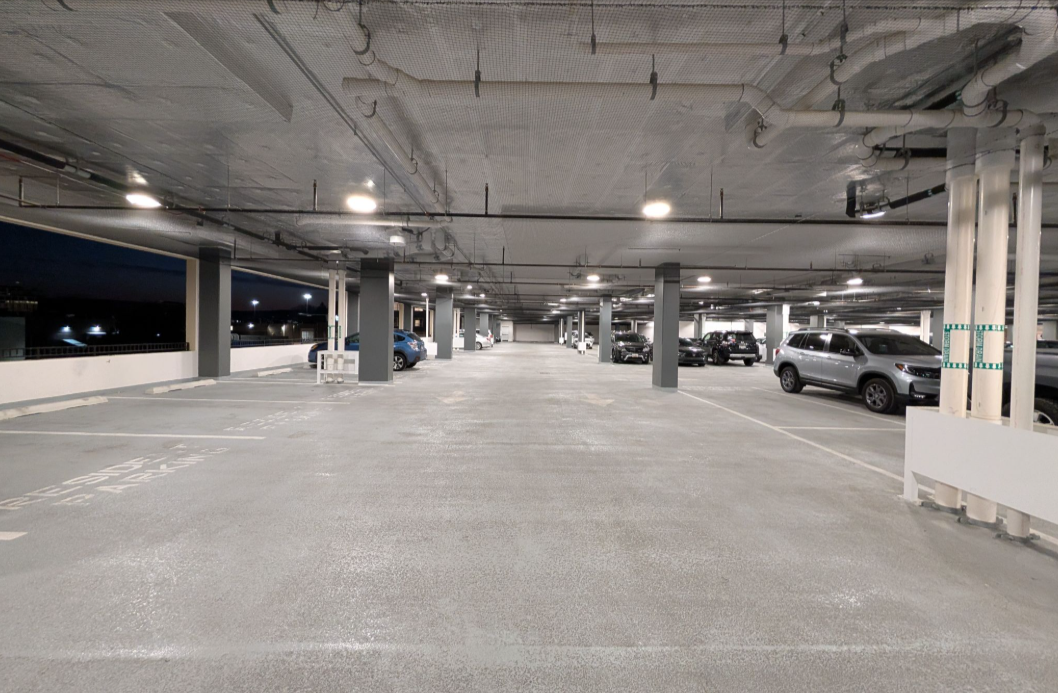
Parking Structures and Entry Points
Parking structures often attract birds due to open layouts and overhead shelter. Birds nest in ceilings and leave droppings on vehicles and walkways. This buildup damages surfaces and creates hazards for pedestrians. Maintenance teams must allocate more resources to cleaning and repairs. Customers may form negative impressions when these conditions persist. Bird netting reduces these problems and improves overall property conditions.
Warehouses and Logistics
Warehouses and logistics facilities require controlled environments to maintain efficiency and product quality. Large openings and high ceilings allow birds to enter and settle in hard-to-reach areas. This exposure increases contamination risks and disrupts daily operations. Nets for birds provide a reliable solution that supports cleanliness and operational flow.
Storage Facilities and Inventory Protection
Birds entering storage areas can contaminate goods and packaging materials. This contamination affects product quality and may lead to rejected shipments. Cleaning or replacing affected inventory increases labor and material costs. Nesting in rafters creates long-term maintenance challenges that disrupt operations. Bird activity can damage packaging and compromise storage conditions. Bird netting prevents access and helps maintain consistent product quality.
Loading Docks and Access Points
Loading docks provide easy entry points for birds due to constant movement and open spaces. Birds settle in these areas, posing contamination risks during active operations. Workers may face safety concerns when droppings accumulate on floors and equipment. Operational delays occur when cleaning becomes necessary during busy periods. Repeated exposure increases maintenance demands and costs over time. Bird netting helps control access and supports efficient workflow.
Agriculture and Food Operations
Agriculture and food-related businesses must control contamination to protect product quality and compliance. Birds often target crops and processing areas, which leads to losses and regulatory risks. These challenges affect both production output and business reputation. Nets for birds offer a focused solution that supports consistent and safe operations.
Crop Protection and Yield Stability
Birds target crops such as fruits and grains, resulting in measurable losses each season. Farmers often struggle to maintain yields when bird activity increases. Traditional deterrents provide limited results and require constant adjustment. Netting creates a reliable barrier that prevents birds from reaching crops. This method reduces reliance on chemicals and supports sustainable practices. Over time, consistent protection improves yield stability and profitability.
Food Processing and Hygiene Control
Food processing facilities must maintain strict hygiene standards to meet regulatory requirements. Bird presence introduces contaminants that can compromise entire production batches. Inspections may fail when signs of bird activity appear in sensitive areas. Production delays occur when facilities address contamination issues immediately. Product recalls may follow, damaging reputation and increasing costs. Bird netting helps maintain controlled environments that support compliance.
Hospitality Spaces
Hospitality businesses rely on clean, comfortable environments to meet guest expectations. Birds can quickly disrupt these spaces by creating noise, mess, and discomfort. Outdoor areas are especially vulnerable due to food availability and open layouts. Nets for birds help maintain a polished environment without affecting the overall aesthetic.
Restaurants and Outdoor Dining Areas
Outdoor dining areas attract birds due to exposed food and open seating. Customers often feel uncomfortable when birds approach tables or create noise. Droppings in dining spaces raise hygiene concerns and may lead to complaints. Staff must spend additional time managing these issues, which affects service quality. Health inspections may also highlight these concerns during evaluations. Bird netting helps maintain a clean and welcoming dining environment.
Hotels and Event Venues
Hotels aim to deliver a consistent guest experience across all areas of the property. Bird activity around entrances and outdoor spaces can disrupt that experience. Nesting in signage or on rooftops results in visible damage and increased maintenance costs. Outdoor events may be interrupted when birds gather nearby. Noise and droppings can affect both guests and staff during important occasions. Bird netting helps maintain a clean, professional environment throughout the property.
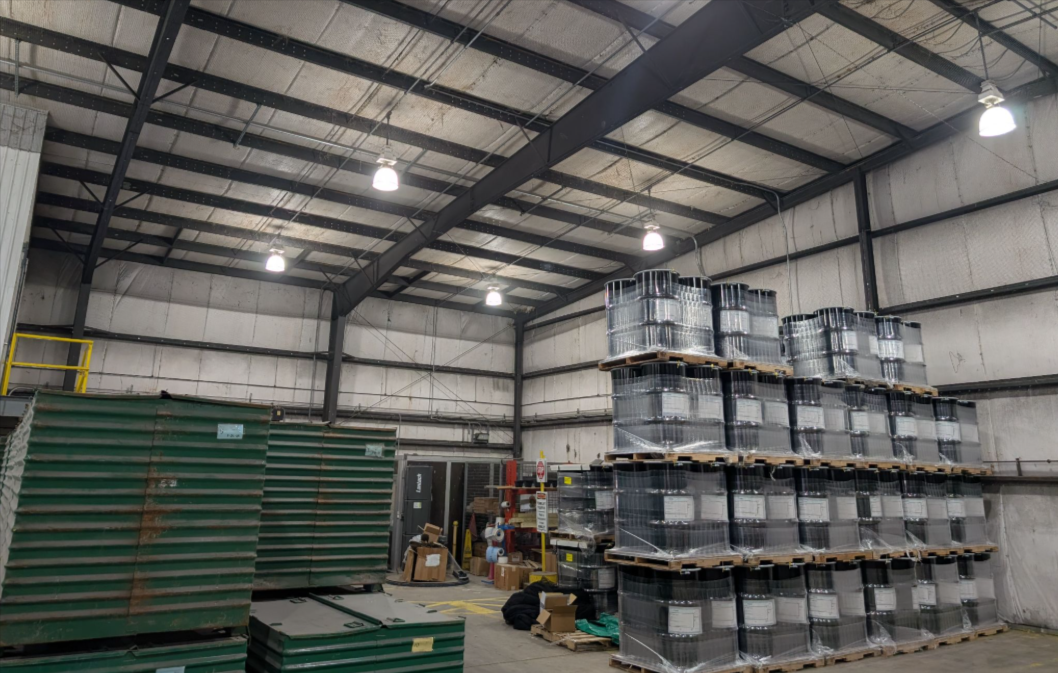
Industrial and Manufacturing Sites
Industrial facilities require stable conditions to maintain safety and operational efficiency. Birds can interfere with machinery and contaminate critical systems. These disruptions often lead to downtime and increased maintenance demands. Nets for birds help maintain controlled environments that support consistent performance.
Production Lines and Equipment Safety
Birds nesting near machinery can introduce debris that affects equipment performance. Maintenance teams must frequently clean systems, which disrupts production schedules. Workers may face safety risks when contamination accumulates in active areas. Over time, these issues reduce efficiency and increase operational costs. Equipment damage may occur when nesting materials interfere with moving parts. Bird netting creates a barrier that protects both machinery and workflow.
Energy and Infrastructure Protection
Energy facilities operate under strict safety requirements that demand consistent conditions. Birds can interfere with electrical systems, creating fire risks in sensitive areas. Nesting materials may block ventilation or damage essential components over time. Maintenance interruptions increase when teams address these recurring issues. Regulatory standards require facilities to manage these risks effectively. Bird netting helps reduce exposure and supports reliable infrastructure performance.
Transport Environments
Transport facilities operate in open, high-traffic environments that attract bird activity. Birds gather in these areas due to food sources and structural access points. This presence creates safety concerns and increases maintenance demands over time. Nets for birds help control access and support safer, cleaner operations.
Airports and Aircraft Safety Measures
Airports must control bird activity to reduce risks associated with aircraft operations. Bird strikes can cause damage and lead to costly delays or repairs. Hangars and nearby structures often attract nesting, which increases these risks. Maintenance teams regularly monitor bird presence and implement control measures. Regulatory agencies require strict compliance with safety standards. Bird netting helps limit access to critical zones and supports safer operations.
Rail Stations and Public Transit Areas
Rail stations often feature open designs that allow birds to enter easily. Birds nest in overhead structures and create maintenance challenges over time. Droppings in waiting areas affect cleanliness and passenger experience. Staff must dedicate more time to cleaning and monitoring these spaces. Operational disruptions may occur when bird activity becomes difficult to manage. Bird netting provides a long-term solution that improves safety and appearance.
Choosing the Right Bird Netting System
Selecting the right nets for birds depends on the environment, structure, and operational needs. Businesses must consider material durability, mesh size, and installation methods when choosing solutions. These factors influence long-term performance and maintenance requirements. Industry best practices show that tailored systems provide better protection and cost efficiency.
Netting Materials and Design Factors
Bird netting materials vary in terms of strength, flexibility, and resistance to weather conditions. Some materials perform better in outdoor environments where exposure is constant. Mesh size determines which bird species the system can effectively block. Proper design allows netting to integrate with structures without affecting functionality. Maintenance needs depend on both material quality and environmental conditions. Choosing the right design improves durability and reduces replacement frequency.
Installation and Long-Term Performance
Proper installation determines how well bird netting performs over time. Gaps or weak points allow birds to re-enter protected areas quickly. Professional installation often provides better coverage and long-term reliability. Safety considerations also arise when installing netting in complex or elevated structures. Businesses must evaluate initial costs against long-term savings and reduced maintenance. Accurate installation helps prevent recurring issues and supports consistent performance.
Protect Assets With Nets for Birds
Uncontrolled bird activity often leads to hidden damage that grows more costly over time. Nets for birds support effective bird management by limiting access and reducing recurring disruptions. Businesses that prioritize this approach maintain cleaner spaces and reduce ongoing repair demands. A focused strategy today helps preserve long-term performance and supports a more reliable operation.
See how effective bird management works in real settings. Visit the Elite Bird Management blog for practical insights and solutions.