Removing Birds From Commercial Properties: A Guide
Bird activity around commercial buildings often begins as a minor nuisance but quickly escalates into a business concern. Droppings, nesting debris, and noise interfere with daily operations and customer perception. Over time, these issues damage surfaces, equipment, and exterior features that require ongoing upkeep. Business owners who prioritize removing birds protect their brand image while reducing long-term maintenance costs.
Why Birds Disrupt Business Properties
Bird infestations disrupt commercial spaces by posing health risks, causing property damage, and creating negative impressions. Birds seek shelter in structures that offer warmth, safety, and access to food, making commercial buildings ideal habitats. Once birds settle, they return repeatedly, increasing the scale of the problem over time. Understanding these patterns helps business owners address bird issues with targeted solutions.
Property Damage From Bird Activity
Bird droppings damage building materials because they contain acidic compounds that erode surfaces. This corrosion affects metal fixtures, painted areas, and roofing materials over time. Nests built in gutters and vents block water flow and increase the risk of leaks. This blockage causes structural stress that, if ignored, requires costly repairs. Equipment placed on rooftops also collects debris from nesting materials. As a result, maintenance teams spend more time on cleanup instead of operational priorities.
Health Risks Linked to Bird Presence
Bird infestations expose staff and visitors to bacteria found in droppings and nesting materials. These contaminants can spread through ventilation systems and affect indoor air quality. This exposure increases the likelihood of respiratory issues in enclosed spaces. Wet droppings on walkways also create slip hazards, raising liability concerns. Businesses must consider safety risks when managing bird activity on their premises. Addressing these concerns helps maintain a healthier environment for everyone on site.
Brand Image and Customer Perception
Customers judge a business environment quickly, often before entering the building. Visible droppings or nests signal poor maintenance and reduce confidence in the business. This perception affects customer retention and discourages repeat visits. Negative experiences often lead to unfavorable online reviews that influence future clients. Tenants in shared spaces may also express dissatisfaction with unmanaged bird problems. Maintaining a clean exterior supports a professional image that attracts and retains customers.
Birds That Commonly Invade Buildings
Certain bird species adapt well to commercial environments due to their nesting habits and behavior. These species use ledges, rooftops, and signage structures as suitable shelter and breeding sites. Once they establish a presence, they become difficult to remove without targeted strategies. Recognizing these birds helps businesses apply more effective removal methods.
Pigeons and Urban Nesting Patterns
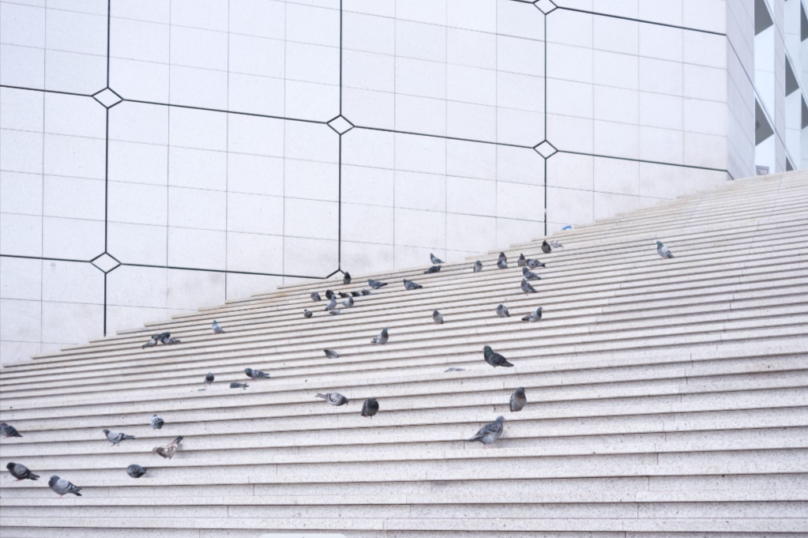
Pigeons thrive in cities because buildings mimic their natural cliffside habitats. They settle on ledges and rooftops that protect them from predators and the weather. This nesting behavior leads to repeated returns to the same location. Their droppings accumulate quickly and create visible damage across surfaces. Pigeons also carry debris that clogs drainage systems and damages rooftop equipment. Businesses dealing with pigeons require structured deterrents to prevent recurring infestations.
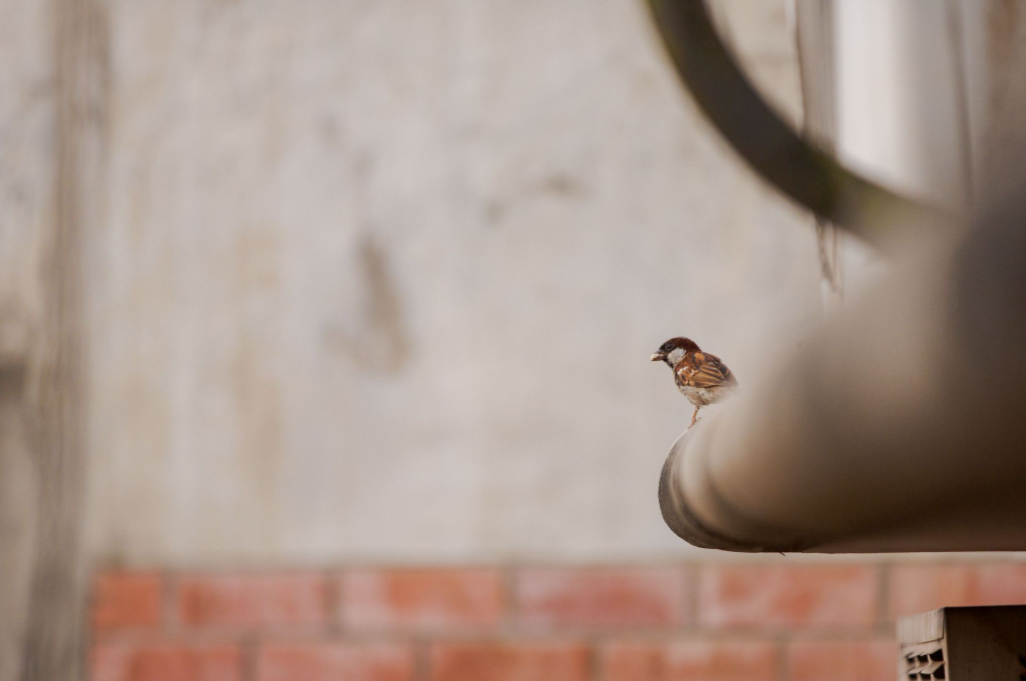
Sparrows in Small Entry Points
Sparrows exploit small gaps in buildings to access interior and hidden spaces. They enter through vents, signage openings, and structural cracks without being noticed. This access allows them to build nests in concealed, hard-to-reach areas. Their rapid reproduction increases bird populations rapidly. Maintenance teams often struggle to locate all nesting spots because they are hidden. Sealing entry points becomes essential when managing sparrow infestations.
Starlings and Flock-Based Infestations
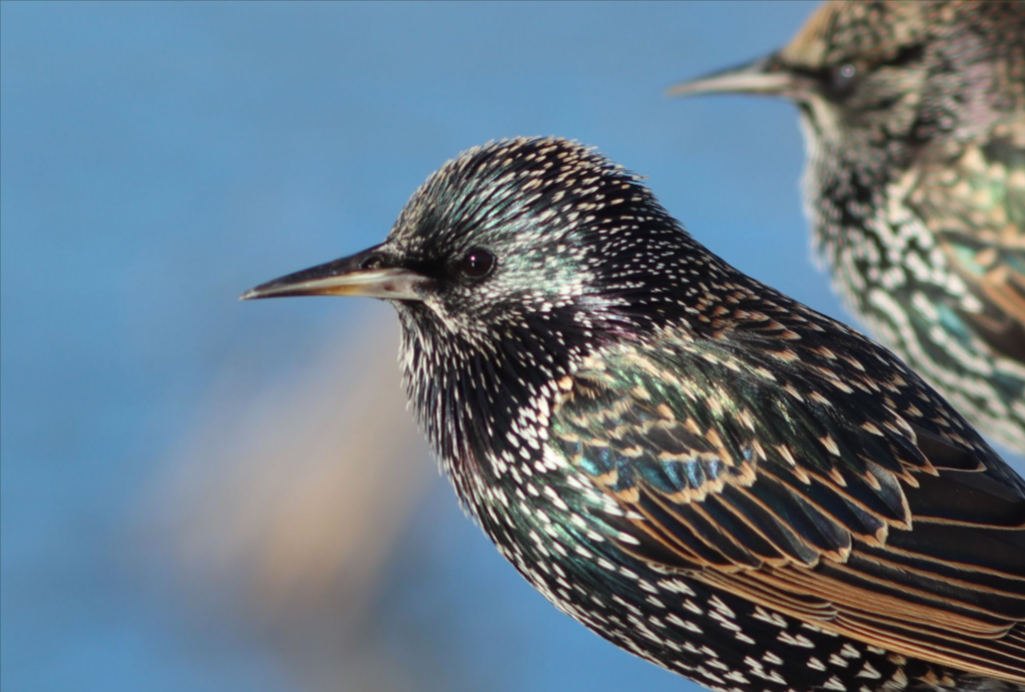
Starlings move in large groups, creating noise and widespread disruption across properties. Their flocking behavior results in heavy droppings accumulation in a short time. This buildup increases cleaning demands and creates unpleasant odors around the building. Starlings also compete aggressively for nesting spaces, which pushes them into tight areas. Seasonal migration patterns influence when infestations occur. Businesses must prepare for these changes to maintain control over bird activity.
Signs You Need Bird Removal Services
Bird infestations exhibit clear signs that warrant professional removal services. These indicators often appear gradually but become more noticeable as the problem grows. Recognizing these signs helps businesses act before damage and disruption increase. Timely identification supports effective bird control strategies.
Droppings and Nesting Evidence
Accumulated droppings on ledges, sidewalks, and rooftops signal ongoing bird activity. This buildup often points to established roosting areas that require attention. Nests made from twigs and debris confirm that birds have settled in the space. Repeated accumulation in the same spots suggests a persistent infestation. Cleaning alone does not resolve the underlying problem. Identifying these patterns helps guide targeted removal efforts.
Noise and Increased Bird Activity
Bird infestations often produce noticeable noise, especially during early hours. This noise disrupts employees and creates an uncomfortable working environment. Customers may also notice these disturbances and associate them with poor upkeep. Bird activity usually increases as populations grow within the property. This growth indicates that the issue is expanding rather than stabilizing. Addressing noise concerns often reveals hidden nesting areas.
Damage to Equipment and Structures
Bird activity causes damage that affects both visible and hidden parts of a building. Nests near ventilation systems restrict airflow and reduce efficiency. This interference impacts indoor comfort and system performance. Debris buildup in gutters leads to water overflow and potential roof damage. Electrical components exposed to droppings may corrode over time. Detecting these issues helps prevent further operational disruptions.
Effective Methods for Removing Birds
Removing birds from commercial properties requires practical methods that balance effectiveness with humane practices. Businesses must use solutions that comply with regulations while addressing the root cause of infestations. Different approaches work depending on the species and building structure. Combining methods often produces the most reliable results.
Physical Barriers and Bird Deterrents
Physical barriers prevent birds from landing or nesting on surfaces. These solutions include spikes, netting, and wire systems installed on ledges and rooftops. This barrier system blocks access to common roosting areas and reduces the frequency of infestations. Proper installation increases durability and long-term effectiveness. Maintenance requirements remain minimal compared to constant cleaning efforts. Businesses benefit from consistent protection that reduces recurring issues.
Visual and Sound Deterrent Systems
Visual deterrents discourage birds by creating an environment that feels unsafe. Reflective materials and moving objects disrupt bird behavior, reducing landing attempts. This approach works best when combined with other deterrent methods. Sound systems emit frequencies that disturb birds without affecting human activity. Birds may adapt over time if deterrents remain unchanged. Updating or rotating these systems helps maintain their effectiveness.
Professional Bird Removal Services
Professional services provide targeted solutions based on property layout and bird behavior. Experts assess the site and identify high-risk areas that require immediate attention. This evaluation leads to customized removal plans that address both current and future issues. Professionals apply humane methods that comply with legal standards. Ongoing monitoring supports long-term control and prevents recurring infestations. Businesses achieve reliable outcomes without relying on trial-and-error.
Humane Bird Removal Techniques
Humane removal focuses on relocating birds without causing harm. Trapping systems allow safe capture and release in appropriate areas. This method respects wildlife while addressing business needs. Exclusion techniques prevent birds from re-entering treated spaces. Regulations often protect certain bird species, which makes humane methods necessary. Businesses benefit from responsible solutions that align with ethical standards.
Preventing Birds From Returning
Preventing bird infestations requires consistent maintenance and structural awareness. Once birds are removed, properties must remain less appealing to future nesting. Small changes in daily operations reduce the likelihood of return. Long-term prevention supports stable and efficient business operations.
Routine Cleaning and Waste Control
Clean environments reduce the availability of food sources that attract birds to commercial spaces. Waste bins should remain sealed and placed away from entry points. This waste-management practice limits access to food that attracts birds. Outdoor areas require regular cleaning to remove debris and residue. Maintenance schedules help address problem areas before they develop further. Staff awareness also supports consistent cleanliness across the property.
Sealing Gaps and Entry Points
Birds enter buildings through small gaps that often go unnoticed. Sealing these openings prevents access to interior spaces and hidden areas. This process includes covering vents, repairing cracks, and reinforcing structural gaps. Regular inspections help identify new entry points before they become a concern. Combining this step with external deterrents improves overall effectiveness. Businesses gain better control over their property conditions.
Structural Adjustments for Bird Control
Building design influences how attractive a property appears to birds. Sloped surfaces reduce the likelihood of landing on ledges and rooftops. This design change discourages birds from settling in exposed areas. Covered fixtures limit access to sheltered nesting spots. Strategic placement of deterrents improves long-term effectiveness. Businesses that invest in structural adjustments experience fewer recurring issues.
Choosing Bird Removal Services
Selecting the right bird control provider determines the success of removal efforts. Businesses need services that address both immediate problems and long-term prevention. Not all providers offer the same level of expertise or reliability. Careful selection helps avoid repeated infestations and unnecessary costs.
Experience With Commercial Properties
Experienced providers understand the complexities of commercial building structures. They identify problem areas such as rooftops, vents, and signage systems. This expertise allows them to develop targeted solutions that minimize disruption. Businesses benefit from strategies designed specifically for operational environments. Experienced teams also anticipate challenges during removal. This knowledge improves the effectiveness of bird control efforts.
Compliance With Bird Control Regulations
Bird control services must follow regulations that protect certain species. Providers who understand these rules apply methods that comply with legal requirements. This compliance prevents potential legal issues and supports responsible practices. Ethical removal methods also enhance a business’s reputation. Businesses gain confidence when services follow proper guidelines. This approach supports safe and lawful bird management.
Long-Term Value Over Quick Fixes
Short-term solutions may reduce bird activity temporarily but fail to address the root cause. Businesses benefit more from strategies that focus on lasting results. This long-term approach reduces the need for repeated cleaning and repair costs. Providers who offer maintenance plans add consistent value over time. Businesses avoid recurring infestations through sustained prevention efforts. Investing in durable solutions leads to better operational outcomes.
Control Bird Problems Before They Escalate
Bird activity rarely stays contained, and small issues often grow into costly disruptions across commercial properties. Removing birds with the right strategy, supported by professional bird management, helps maintain a clean, safe, and professional environment that customers trust. This approach protects daily operations while reducing ongoing repair and maintenance demands. Business owners who invest in structured bird management position their properties for smoother operations and stronger long-term performance.
Find smarter ways to handle bird issues by visiting the Elite Bird Management blog, built for property owners who want lasting results.