
The Most Common Issues That Require Professional Bird Control for Swallows
Swallows create fast-growing challenges for businesses that rely on steady workflow and clean public spaces. Their nesting cycles move quickly, placing strain on teams that manage upkeep and safety. Many owners feel pressure once droppings, noise, and flight patterns disrupt customer areas. These patterns also stretch cleaning budgets and slow daily operations. Business leaders often seek reliable control options once the problem escalates due to repeated nesting.
Why Swallows Create Persistent Business Problems
Swallows create recurring business problems because they favor structures with steady activity and protective ledges. Their nesting behavior grows fast and places pressure on access points, customer zones, and loading areas. Many sites see rising cleanup needs as swallows expand clusters each season. These conditions leave owners searching for solutions that keep their operations stable.
Swallow Nesting Near Entry Points
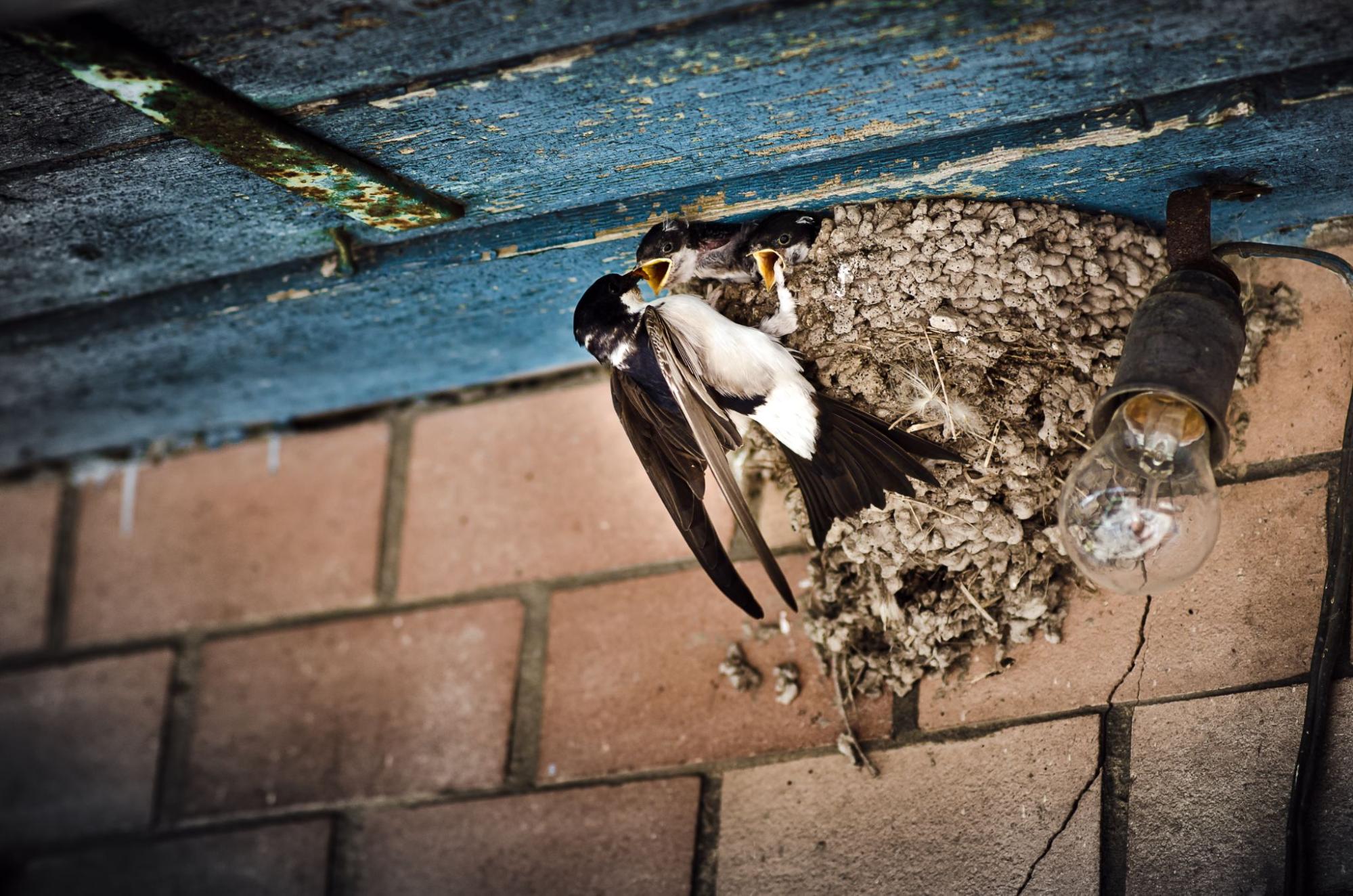
Swallow nesting near entry points builds stress for staff who guide foot traffic in busy zones. These birds choose covered corners near doors because airflow supports their flight paths. Their quick movements startle customers and create tension during business hours. The growing nests also leave mud trails that reach walkways. The constant cleanup drains time from more important tasks. Many owners eventually request structured bird control once these entry areas face repeated buildup.
Heavy Activity Around Staff And Guests
Swallow activity around staff and guests creates discomfort in workplaces where people expect calm surroundings. Their swift turns surprise customers who stand close to service counters or waiting spots. Some visitors step back when the birds fly too close. The ongoing movement also disrupts employees who manage equipment or handle paperwork. These distractions hurt productivity as people adjust their paths to avoid birds. Many companies then seek help to limit the number of frequent-flyer zones.
Rising Cleaning And Maintenance Pressure
Swallow activity increases cleaning pressure as droppings, feathers, and mud collect near open spaces. These messes force teams to clean floors and walls several times each day. The buildup stains the siding and creates marks that need repeated scrubbing. Many businesses begin weekly power washing due to the accumulation of fast droppings. These cycles drive up costs for supplies and labor. The growing strain eventually pushes managers to invest in professional bird control.
Common Issues Requiring Swallow Control Services
Swallow problems grow fast for businesses that rely on clean walkways, steady workflow, and safe customer areas. Their nesting habits shift conditions across entry points, docks, and outdoor walls in a short time. Many owners see more droppings, more pungent odors, and rising complaints as these birds return each season. These growing pressures explain why so many companies depend on trained swallow control services.
Structural Damage From Nesting Activity
Swallow nests cause structural problems because mud clusters lock moisture against surfaces and add weight to fragile areas. Many nests attach to siding, beams, or vents that are not designed to support the load. Buildings begin to show cracks or discoloration as these clusters multiply. These issues prompt owners to seek long-term protection.
Excess Nest Weight On Weak Surfaces
Excess nest weight builds faster than most teams expect due to packed layers of mud. These nests exert intense pressure on wood trim, light fixtures, and pipes. Some pieces crack under repeated weight during peak nesting seasons. When nests break loose, they fall onto equipment or walkways. These moments also create hazards for staff working below. Many owners move toward professional control to prevent repeated damage.

Moisture Issues And Staining
Moisture from swallow nests seeps behind mud shells, weakening paint or siding. The wet buildup raises the risk of rot in exposed wood. Stains form quickly and spread beyond the nest edge. Some stains require chemical cleaners or repainting to restore the surface. The long-term moisture also attracts insects that hide behind the nest. Many businesses seek bird control to prevent surface deterioration before repairs become too steep.
Expansion Of Nest Sites Over Time
Expansion of swallow nest sites happens when birds return to the same building each season. Swallows extend old nests and build new ones close by. These clusters soon dominate full walls, beams, or covered docks. Some areas become unreachable with standard cleaning tools. The rapid expansion overwhelms staff who try to keep the building clear. Professional intervention becomes the only practical solution at that point.
Health And Sanitation Issues For Businesses
Swallows cause sanitation concerns because their droppings carry bacteria that affect air quality and walkway safety. Many businesses need routine disinfecting to keep these areas safe for workers and visitors. Some industries, like food handling, face stricter standards that swallow disrupt. These concerns build pressure on owners to act quickly.
Droppings On Walkways And Work Zones
Droppings from swallows create sanitation and slip hazards across open paths. Staff must clean these areas often to avoid accidents during peak traffic. The smell becomes strong as droppings dry on warm surfaces. Some customers report smelling odors upon entering the building. These conditions affect brand reputation and site comfort. Many owners choose structured control to avoid repeated disruptions.
Risks For Warehouses And Food Sites
Warehouses and food service locations face added risk when swallows nest near doors and vents. Droppings can reach boxes, pallets, and exposed supplies. Health inspectors monitor these issues closely due to contamination threats. Kitchens and prep areas suffer when birds gather near air intakes. These systems pull bird debris into the system if the filters clog. Many regulated industries rely on professional support because the risk is too high.
Worker Concerns About Hygiene And Odor
Workers often report a strong odor in areas with heavy swallow activity. Droppings that sit along beams or corners release scent during warm months. Teams also dislike cleaning thick mud buildup that forms below nests. These concerns influence morale, especially in small indoor work zones. Some staff may avoid sections where birds gather in large numbers. Many managers respond by arranging effective bird control that restores comfort.
Operational Disruptions From Nesting Birds
Swallows disrupt workflow because they nest near loading docks, staging areas, and customer paths. Their movement distracts workers who manage equipment and large vehicles. Some customers respond negatively when birds gather near seating or entrances. These operational setbacks lead owners to seek consistent solutions.
Noise And Flight Disturbances
Noise from swallows grows loud during nesting seasons and distracts staff in busy areas. Their calls echo under metal awnings or warehouse bays. The birds also dive and turn sharply near workers. These moments interrupt tasks that require precision. Customers also pull back when the birds fly near their heads. Many businesses turn to professional deterrents to calm these spaces.
Customer Complaints About Nesting Spots
Customer complaints rise when swallows take over visible ledges or lights. Some guests avoid doors when they see droppings or active nests above them. These reactions shape online reviews and brand perception. Managers then face pressure to correct the issue. The business environment must stay clean and safe for all guests. Professional help gives owners a structured path forward.
Delays In Shipping And Dock Zones
Shipping zones slow down when swallows gather above dock plates. Crews pause work to clear droppings from ramps and equipment. Drivers also hesitate when birds circle their trucks. These delays affect delivery times and warehouse flow. Some companies experience daily setbacks in peak months. Bird control reduces these stoppages and restores smooth operations.
Legal And Ethical Factors In Swallow Control
Swallow control requires compliance with the law because these birds are protected under the Migratory Bird Treaty Act. Businesses cannot remove active nests without trained support. Violations bring heavy fines that strain budgets. Many companies work with licensed providers to avoid legal risk.
Restrictions On Active Nest Removal
Restrictions on swallow nest removal apply once eggs or chicks appear. Removing these nests violates federal law and subjects violators to penalties. Some owners try clearing nests too soon and face consequences. Seasonal timing varies by region and must be carefully checked. Professionals make these inspections with the proper training. This guidance protects businesses from legal trouble.
Penalties For Unauthorized Actions
Penalties for unauthorized nest removal include hefty fines and formal citations. These penalties harm public trust and company reputation. Some businesses lose contracts when partners review compliance records. Owners often do not understand how strict these rules are. Professional control services help track each nest’s condition. This approach keeps sites compliant and safe.
Approved Deterrent And Prevention Methods
Approved deterrent methods redirect swallows without harming them. These include angled ledges, netting systems, and visual barriers. Many systems block access to favored nest points. Some businesses pair these tools with routine cleaning to reduce attraction. Professionals adjust each solution to match the building design. This level of expertise keeps wildlife safe while protecting the site.
Why Businesses Choose Professional Swallow Control
Businesses turn to professional swallow control because expert teams understand timing, nest behavior, and compliant removal. Many commercial sites have areas that are too high or complex for staff to reach safely. These professionals bring equipment that supports safe inspections. Their guidance also prevents nest growth next season.
Precise Assessments For Complex Sites
Precise assessments provide owners with a clear view of swallow activity in hidden areas. Experts check rafters, high beams, and covered docks. These zones often hold early-stage nests that staff overlook. The mapping process reveals how clusters spread over time. This insight helps teams create tailored plans. Many businesses depend on this clarity before making upgrades.
Safe Removal Within Legal Boundaries
Safe nest removal follows laws that protect active swallow sites. Professionals check each nest carefully before clearing debris. The inspection process prevents violations of the law and protects wildlife. Teams schedule safe removal once the breeding cycle ends. These steps reduce risk for the business and support stable operations. Owners appreciate having clear guidance during the process.
Long-Term Prevention With Structural Barriers
Long-term prevention focuses on preventing new nests from forming. Experts install barriers that protect corners, beams, and roof lines. These tools shift swallows away from sensitive areas. Staff also learn cleaning habits that reduce nest appeal. Many buildings see fewer nests after these updates. Ongoing support keeps conditions stable across each season.
Build Reliable Swallow Control Solutions
Strong swallow-control solutions provide businesses with the stability they need as bird activity increases each season. The right plan reduces strain on staff, protects customer areas, and keeps buildings free from the growing stress that nesting creates. A professional team provides clear direction and proven tools that help you stay ahead of these recurring challenges. Reach out to a qualified bird control provider and put your business in a stronger position before nests spread again.
Explore practical insights and more innovative prevention strategies on the Elite Bird Management blog.