Top Bird Control Solutions for 2026
Bird activity disrupts business operations and creates ongoing maintenance concerns for many commercial properties. Droppings, nesting, and noise affect cleanliness, safety, and customer perception in visible ways. These issues often increase costs when left unmanaged over time. Business owners now look for practical ways to address these problems without harming wildlife. Reliable bird control solutions help maintain clean, safe, and professional environments.
Growing Need for Bird Control Solutions
Bird control solutions address rising bird activity caused by urban growth and environmental shifts. Commercial spaces now attract birds due to easy access to food and shelter. Businesses must respond with structured strategies that prevent recurring issues. A clear understanding of these trends helps guide more effective control decisions.
Causes of Bird Activity Near Businesses
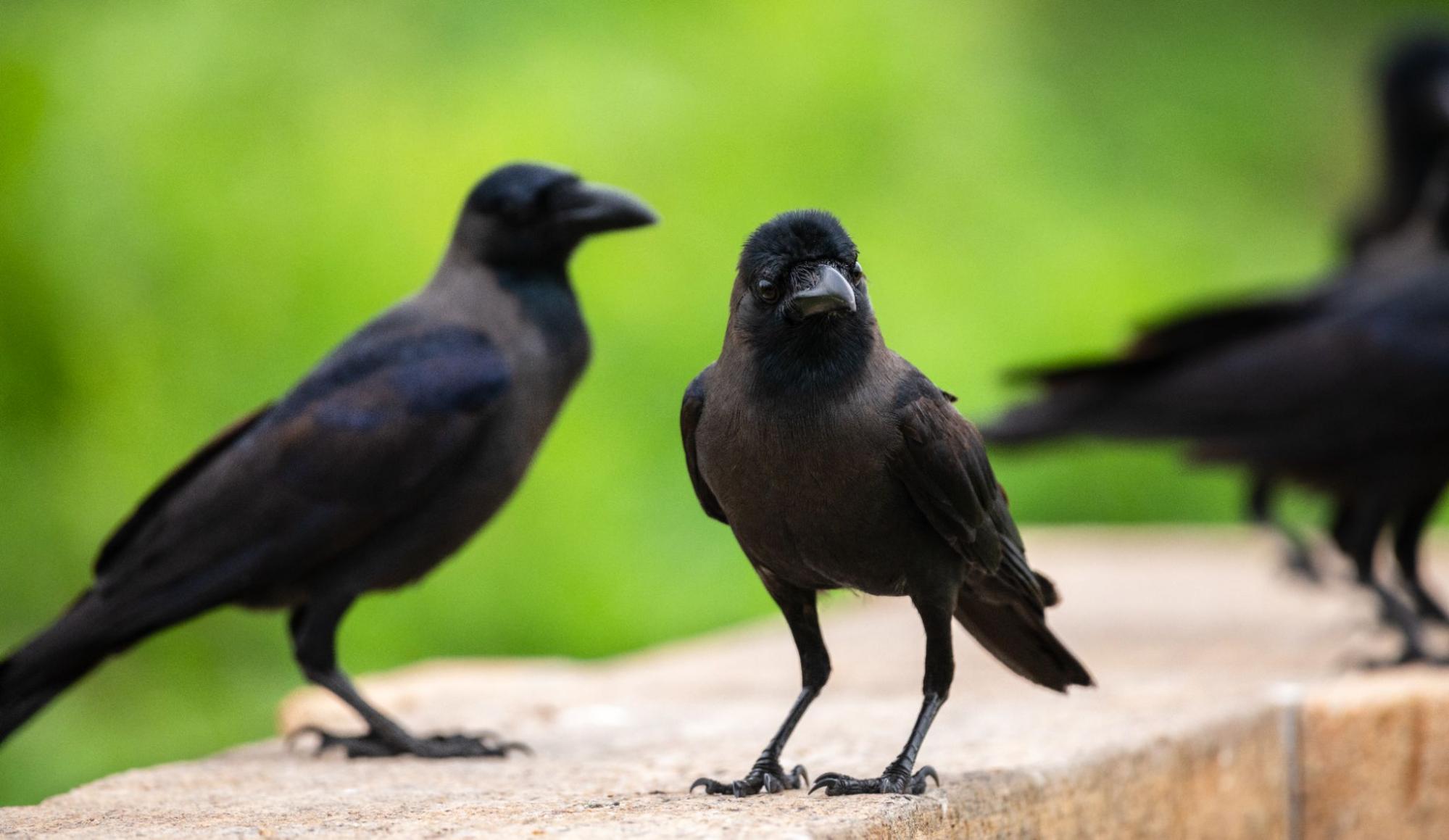
Bird activity increases near businesses due to food waste, access to shelter, and changing migration patterns. Open trash areas and outdoor dining spaces provide steady food sources for birds. Flat roofs and ledges create safe nesting areas away from predators. Climate change extends migration periods, which keeps birds in urban areas longer. This behavior leads to repeated nesting cycles within the same commercial spaces. Businesses that understand these causes can apply targeted bird control solutions effectively.
Risks of Uncontrolled Bird Presence
Uncontrolled bird presence poses health risks, causes structural damage, and creates negative customer impressions. Bird droppings carry harmful bacteria that can affect employees and visitors. Accumulated waste damages surfaces and increases repair costs over time. Slippery walkways pose safety hazards that may lead to liability concerns. Customers often associate visible bird issues with poor hygiene and management standards. Businesses that act promptly reduce these risks and protect their reputation.
Physical Bird Control Solutions That Work
Physical bird control solutions prevent birds from landing or nesting on commercial properties. These methods focus on blocking access to problem areas rather than waiting to react. Many businesses prefer these systems because they deliver consistent, visible results. Proper installation improves long-term effectiveness and reduces maintenance needs.
Bird Spikes for Ledges and Roofs
Bird spikes prevent birds from landing by creating uneven surfaces on ledges and narrow areas. These devices do not harm birds, which supports humane pest control practices. They work well on signage, window sills, and roof edges where birds gather. Modern materials improve durability and withstand changing weather conditions. Installation remains simple, which helps reduce labor costs for businesses. This solution offers reliable protection when placed in high-traffic bird zones.
Bird Netting for Large Areas
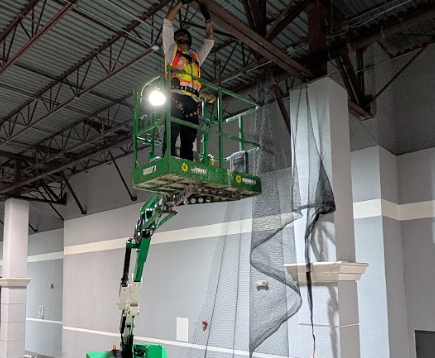
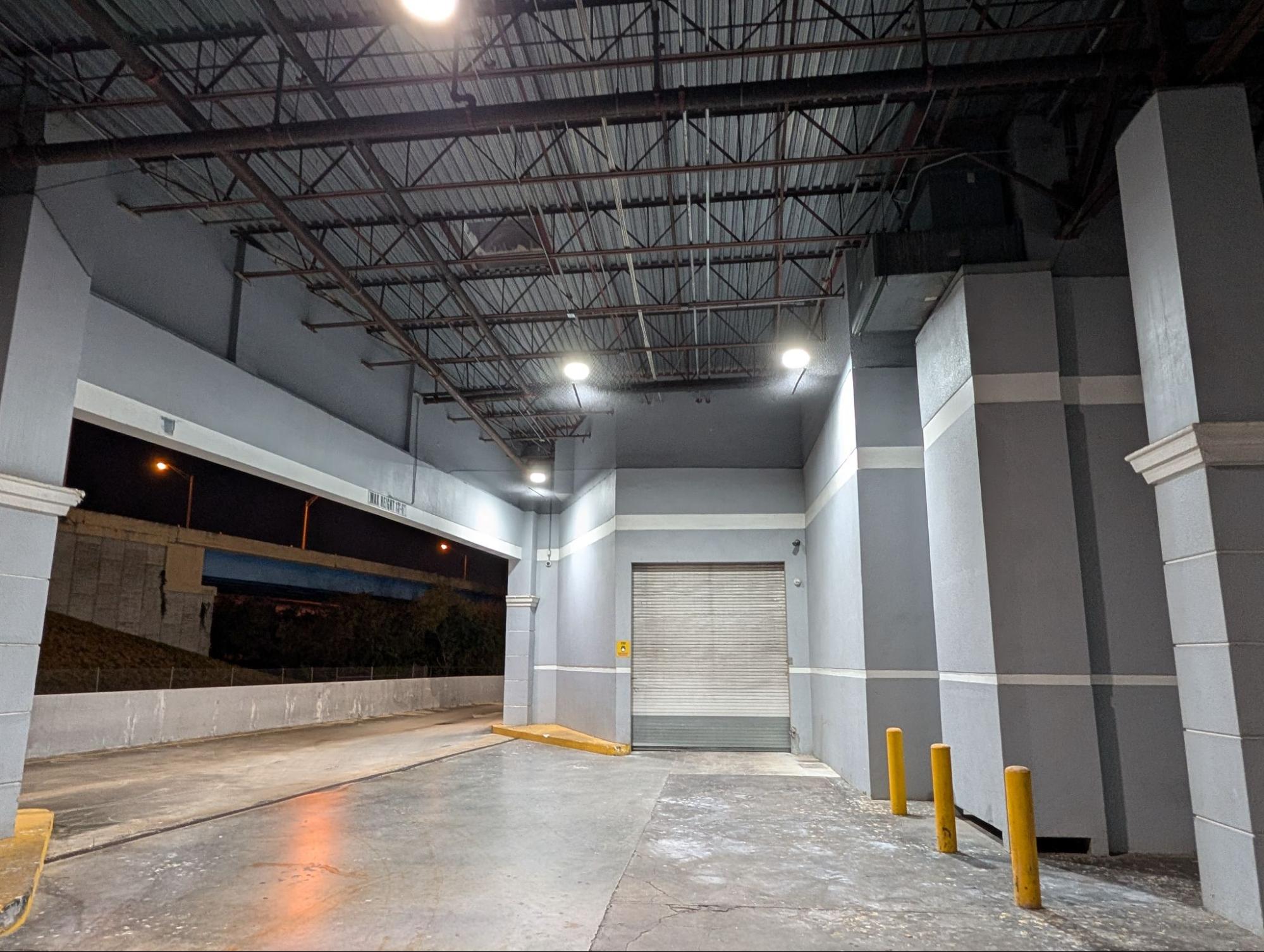
Bird netting blocks birds from entering large spaces such as warehouses and loading docks. This system creates a physical barrier that protects inventory and structural features. Custom designs enable businesses to handle complex layouts without disrupting operations. High-quality materials provide long-term use with minimal maintenance requirements. This approach works well for industries that require strict cleanliness standards. Businesses gain consistent protection across wide areas with proper netting systems.
Wire Systems for Discreet Protection
Wire systems deter birds by creating unstable landing surfaces on flat areas. These systems use thin tensioned wires that remain nearly invisible from a distance. Businesses often choose them for properties where appearance matters to customers. Maintenance needs remain low, supporting long-term cost efficiency. This method blends with building designs while still discouraging bird activity. Offices and retail locations benefit from this low-profile bird control solution.
Advanced Bird Control Technology 2026
Advanced bird control technology uses automation and smart systems to manage bird activity. These solutions respond quickly to bird presence without constant human involvement. Businesses benefit from improved efficiency and real-time monitoring capabilities. Modern tools also provide data that supports better long-term decision-making.
Ultrasonic and Sonic Repellent Systems
Ultrasonic and sonic systems deter birds using sound frequencies that disrupt their behavior. Ultrasonic devices emit high-frequency sounds that humans cannot hear. Sonic systems use recorded distress calls that signal danger to birds. These devices cover large areas and are suitable for various commercial environments. Proper placement improves effectiveness and prevents uneven coverage. Businesses often combine sound systems with other bird control solutions for better results.
AI-Based Bird Control Systems
AI-based bird control systems detect bird activity and trigger automated responses. Sensors identify movement and activate deterrents such as sound or light. This technology adapts to birds’ behavior patterns over time to improve efficiency. Businesses gain insights through data tracking and activity reports. This information helps refine strategies and reduce recurring issues. Property managers use AI systems to maintain consistent bird control without constant monitoring.
Laser Bird Deterrent Solutions
Laser bird deterrent solutions use moving beams to create visual threats for birds. These systems work well in large indoor areas with low lighting conditions. Birds avoid spaces where laser movement appears unpredictable and unsafe. Automated features reduce manual operation and improve efficiency. Safety controls protect employees while maintaining effectiveness. Businesses use lasers when traditional methods do not provide enough coverage.
Bird Behavior Patterns and Control Timing
Bird behavior patterns shape how and when bird control solutions should be applied for best results. Many businesses overlook timing, leading to inconsistent outcomes and recurring infestations. Understanding daily and seasonal bird activity helps improve the accuracy of deterrent methods. This approach allows businesses to act with precision rather than relying on constant intervention.
Daily Movement Patterns and Activity Cycles
Birds follow predictable daily routines that include feeding, resting, and nesting periods. Most species become active early in the morning and again before sunset. During these times, birds search for food and return to familiar locations. This pattern means deterrents work best when active during peak movement hours. Businesses that align control systems with these cycles reduce unnecessary system use. This timing strategy improves efficiency while lowering operational costs.
Nesting Seasons and Repeated Behavior
Nesting seasons increase bird activity and make birds more persistent in specific areas. During this period, birds defend nesting sites and return even after disturbances. This behavior makes removal efforts more challenging if delayed. Businesses that act before nesting begins prevent long-term infestations. Early placement of bird control solutions reduces the chance of birds settling permanently. This preventive timing approach helps maintain consistent property protection.
Species-Specific Behavior Differences
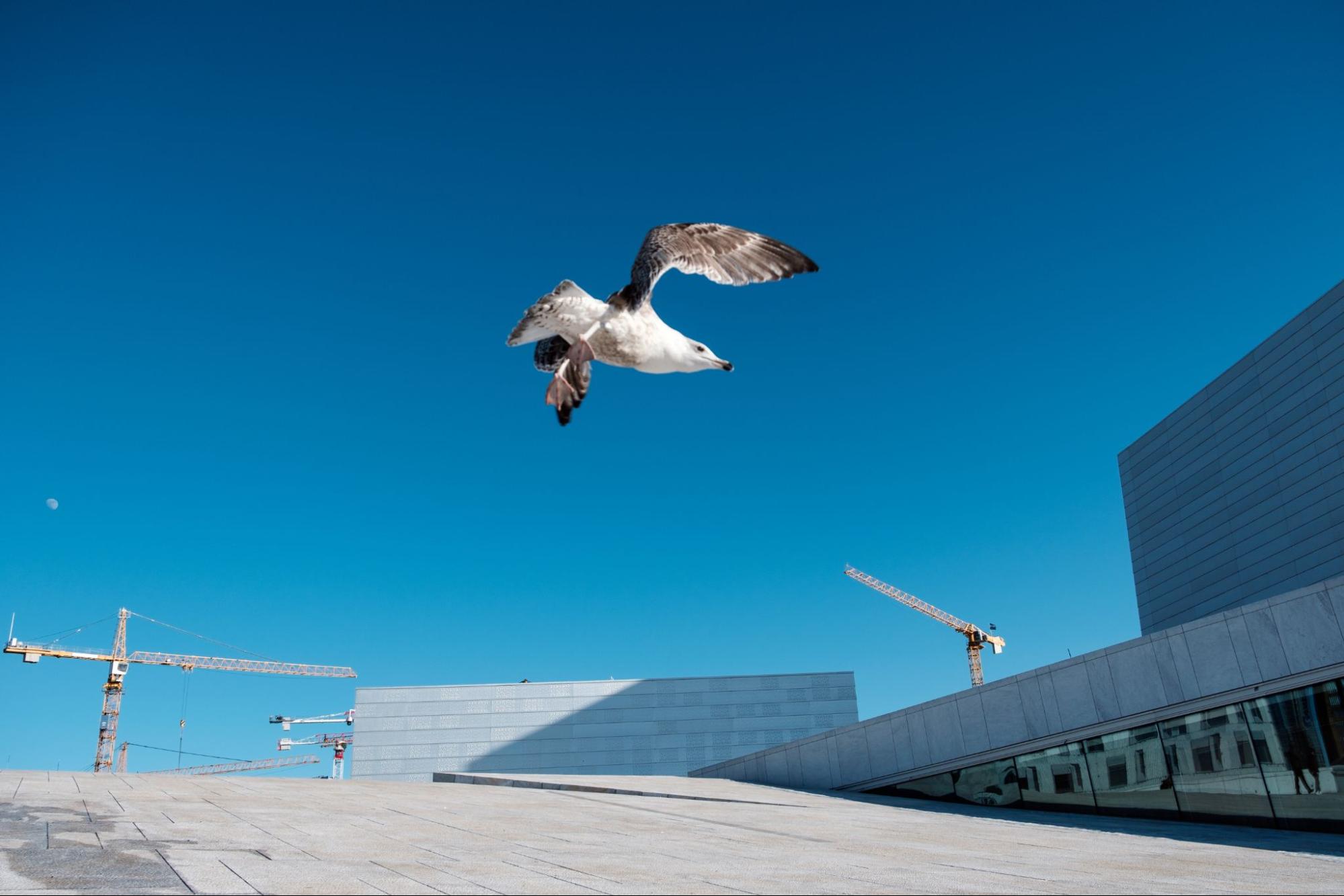
Different bird species respond to deterrents in unique ways based on their behavior. Some birds adapt quickly to visual deterrents, while others react more strongly to sound-based systems. Pigeons, for example, often return to the same location due to strong homing instincts. Seagulls tend to respond more aggressively during feeding periods near food sources. Understanding these differences helps businesses choose more targeted bird control solutions. This knowledge improves effectiveness by matching methods to specific bird behaviors.
Timing Strategies for Better Control Results
Timing strategies focus on applying bird control solutions before patterns become established. Early intervention prevents birds from recognizing a location as safe or reliable. Businesses can schedule inspections based on known activity peaks and seasonal changes. Automated systems can also adjust based on detected movement patterns. This coordinated approach reduces the need for constant manual monitoring. Consistent timing improves long-term success and reduces recurring bird problems.
Visual Bird Deterrents and Adjustments
Visual bird deterrents and environmental changes reduce a property’s attractiveness to birds. These methods support other bird control solutions by addressing the root causes of bird activity. Businesses often use them as part of a broader prevention strategy. Consistent adjustments create long-term improvements in bird management.
Reflective Bird Deterrent Devices
Reflective devices deter birds by creating shifting light patterns that disrupt their vision. Common options include reflective tapes, discs, and rotating elements. These tools move with the wind, which increases their effectiveness in open areas. Birds avoid environments that feel unstable or unpredictable. Proper placement helps cover key landing and nesting zones. Businesses use reflective deterrents as a cost-effective addition to larger control systems.
Predator Decoys and Their Limits
Predator decoys mimic natural threats to deter birds from commercial areas. These tools work best when birds believe the threat remains active and realistic. Birds may adapt if decoys stay in the same position for long periods. Moving them regularly helps maintain effectiveness over time. Some models include motion features to improve realism. Businesses should combine decoys with other bird control solutions for consistent results.
Habitat Modification for Bird Control
Habitat modification removes factors that attract birds to commercial properties. This approach includes securing waste areas and limiting access to food. Blocking entry points prevents birds from nesting in sheltered spaces. Landscaping changes can also reduce the number of gathering areas near buildings. Regular inspections help identify new risks before they grow. Businesses that adjust their environment effectively reduce long-term bird activity.
Humane and Eco Bird Control Solutions
Humane bird control solutions focus on deterring birds without causing harm. These methods align with environmental standards and public expectations. Businesses benefit from maintaining ethical practices while managing bird activity. Responsible approaches also help meet legal and regulatory requirements.
Non-Toxic Bird Repellent Gels
Non-toxic bird-repellent gels create surfaces that birds find uncomfortable to land on. These products do not harm birds; they encourage them to relocate. They work well on ledges, beams, and structural features. Weather-resistant formulas improve durability in outdoor environments. Regular checks help maintain their effectiveness over time. Businesses use gels where physical barriers may not fit properly.
Ethical Bird Management Practices
Ethical bird management practices follow regulations that protect wildlife and public safety. Businesses that adopt these practices avoid legal complications and fines. Working with professionals supports the correct implementation of humane methods. These approaches also improve brand perception among customers and partners. Responsible management balances control with respect for local ecosystems. Companies that apply ethical solutions maintain both compliance and credibility.
Choosing Effective Bird Control Solutions
Choosing bird control solutions requires evaluating property needs and bird activity levels. Different environments demand different approaches for lasting results. Businesses should assess their space before selecting any system. Careful planning helps reduce costs and improve effectiveness over time.
Factors Before Installing Bird Control
Factors before installing bird control include property layout, infestation level, and budget. Open areas may require netting, while smaller ledges are suitable for spikes or wires. High bird activity may require a combined approach for better results. Industry standards may also affect the type of system used. This evaluation process helps businesses avoid ineffective installations. Proper planning leads to more reliable bird control outcomes.
When to Hire Bird Control Experts
Bird control experts help when basic methods fail to manage ongoing bird issues. Professionals assess properties and recommend tailored solutions. They handle installation to avoid errors that reduce effectiveness. Ongoing support helps maintain systems and address new activity. This service allows businesses to focus on operations without disruption. Expert guidance improves long-term results and system performance.
Strengthen Your Bird Control Solutions
Bird activity does not slow down, and waiting often makes it harder to break patterns. Smart businesses refine their approach by combining timing, technology, and humane deterrents. This approach creates a controlled environment where birds no longer disrupt daily operations or customer experience. Consistent attention builds long-term stability across commercial spaces. Businesses that act with intention position themselves ahead of recurring problems rather than react to them.
Gain a clearer view of modern bird control solutions by visiting the Elite Bird Management blog, where practical insights meet real business needs.