Top Services Offered by the Best Pest Control Companies in 2025
Bird pressure on commercial buildings continues to rise in 2025, and many business leaders now feel the strain across roofs, walkways, and work zones. Facility operations slow when nesting, droppings, and constant flight paths disrupt staff movement and customer flow. Property maintenance costs increase when birds weaken surfaces that are already under heavy use. Many owners choose advanced bird control to achieve safer, cleaner sites. Strong service options help them plan and protect their day-to-day activities.
Why Business Leaders Choose Top Bird Control Experts
Business owners choose top bird control experts because they deliver clear solutions that reduce clutter, noise, and operational damage. Many sites deal with blocked gutters, worn roofing, and slip risks that limit daily movement. Bird activity also affects brand appearance when customers see clutter near entries. These challenges push many teams to invest in better planning and long-term protection.
Bird Risk Assessments for Commercial Sites
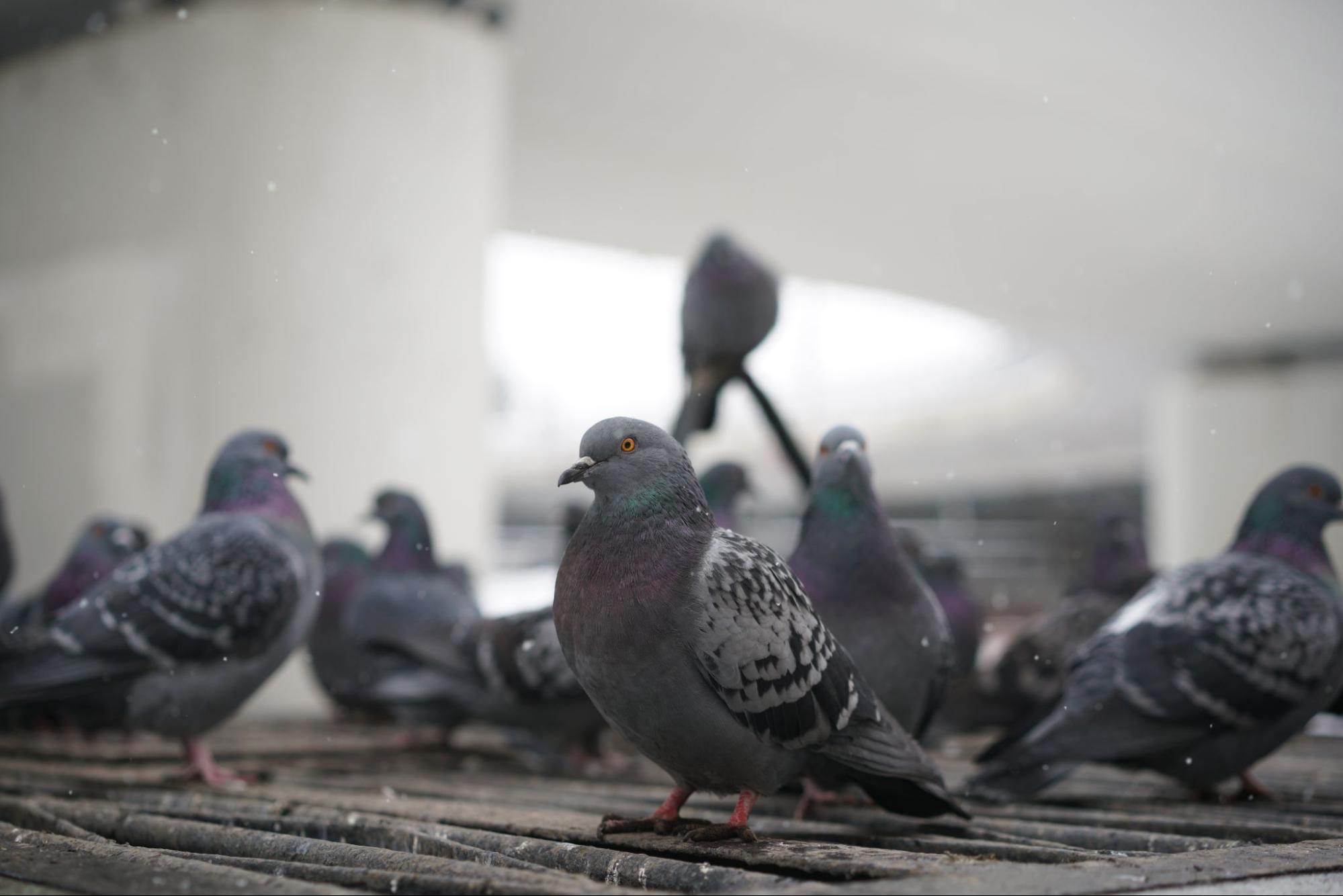
A bird risk assessment gives business owners a clear picture of activity patterns around their buildings. Inspectors map droppings, nesting signs, and travel paths to locate trouble zones linked to pigeons. Modern tools include rooftop cameras, movement sensors, and digital overlays that highlight weak points. These insights help managers decide which solutions to install first. Detailed reports also guide budgeting and help leaders prioritize upgrades. Each assessment sets the foundation for a more reliable strategy.
Regulatory Help for Protected Bird Species
Regulatory guidance supports companies that need help with local and federal rules tied to protected birds. Specialists explain seasonal nesting laws that apply to swallows and walk clients through proper planning timelines. Documentation steps prevent business delays and help leaders avoid legal issues. Compliance teams also outline safe removal methods permitted for each species. These experts update clients when new rules shift across the year. Each regulation review helps teams stay aligned with legal requirements.
Advanced Solutions from the Best Bird Control Companies
Advanced bird control combines proven tools with innovative technology that adapts to commercial demands. Many businesses prefer systems that stay durable in rain, heat, and constant foot traffic. Teams install solutions that blend with building design and protect vast areas with minimal downtime. These tools give companies stronger control over birds that return to the same sites.
Bird Netting for Wide Commercial Areas
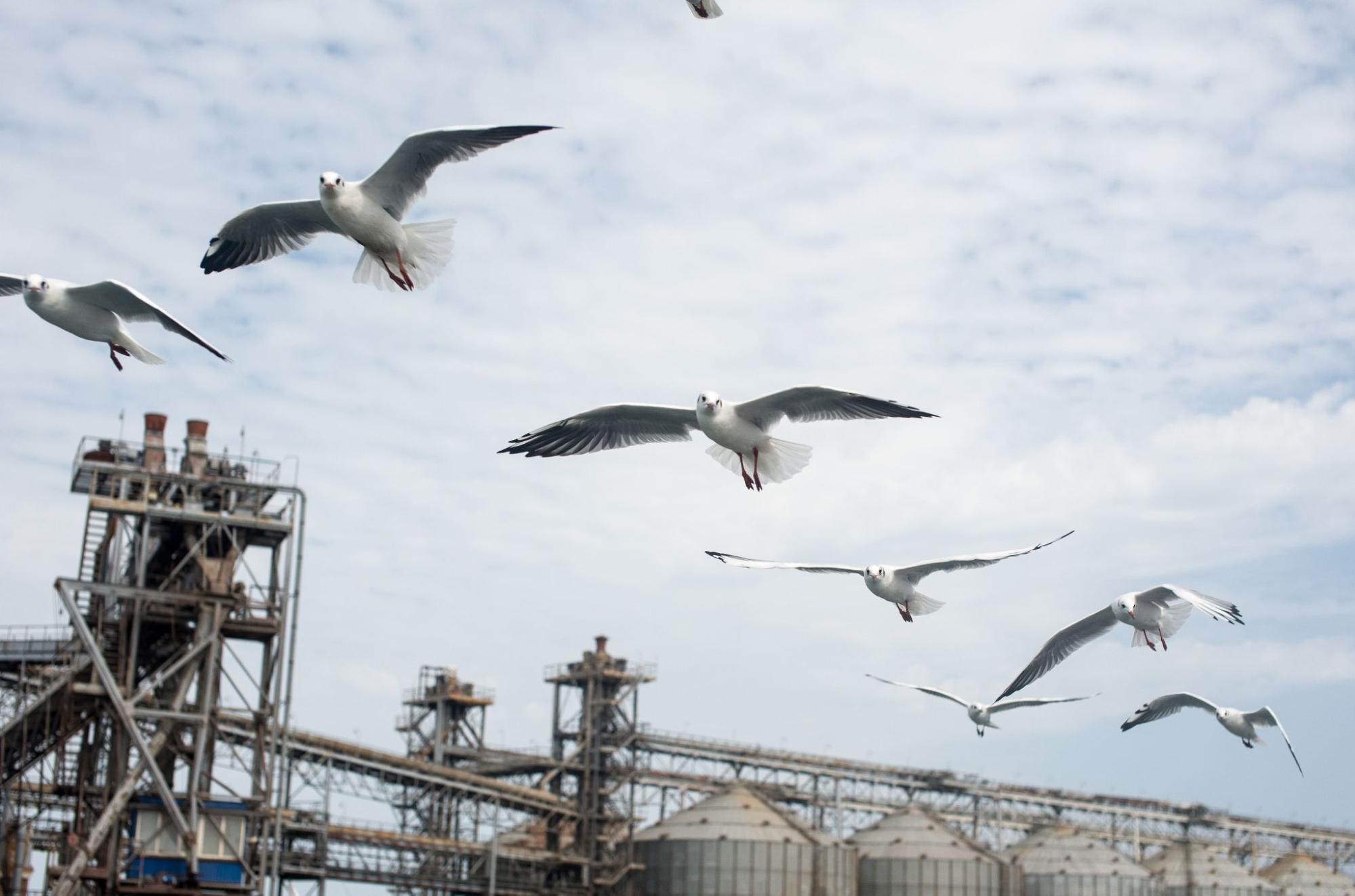
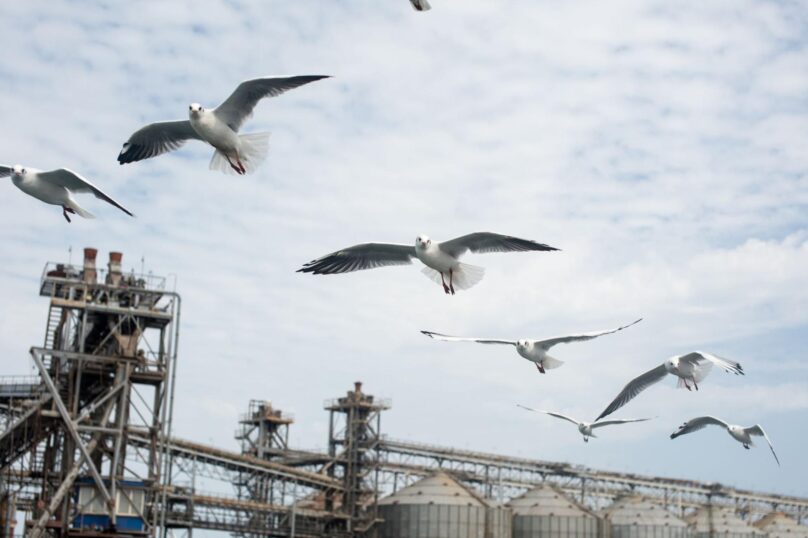
Bird netting blocks open spaces where birds gather and land in large groups. Strong materials hold tension across rooftops, loading bays, and warehouse frames that often draw seagulls. Crews anchor the net to steel cables that keep the grid tight and stable. This method helps protect equipment from clutter that collects under active roosts. Netting works well in food plants, logistics hubs, and coastal buildings. Many clients prefer it because it creates a transparent barrier without harming birds.
Bird Spikes for Ledges and Signage
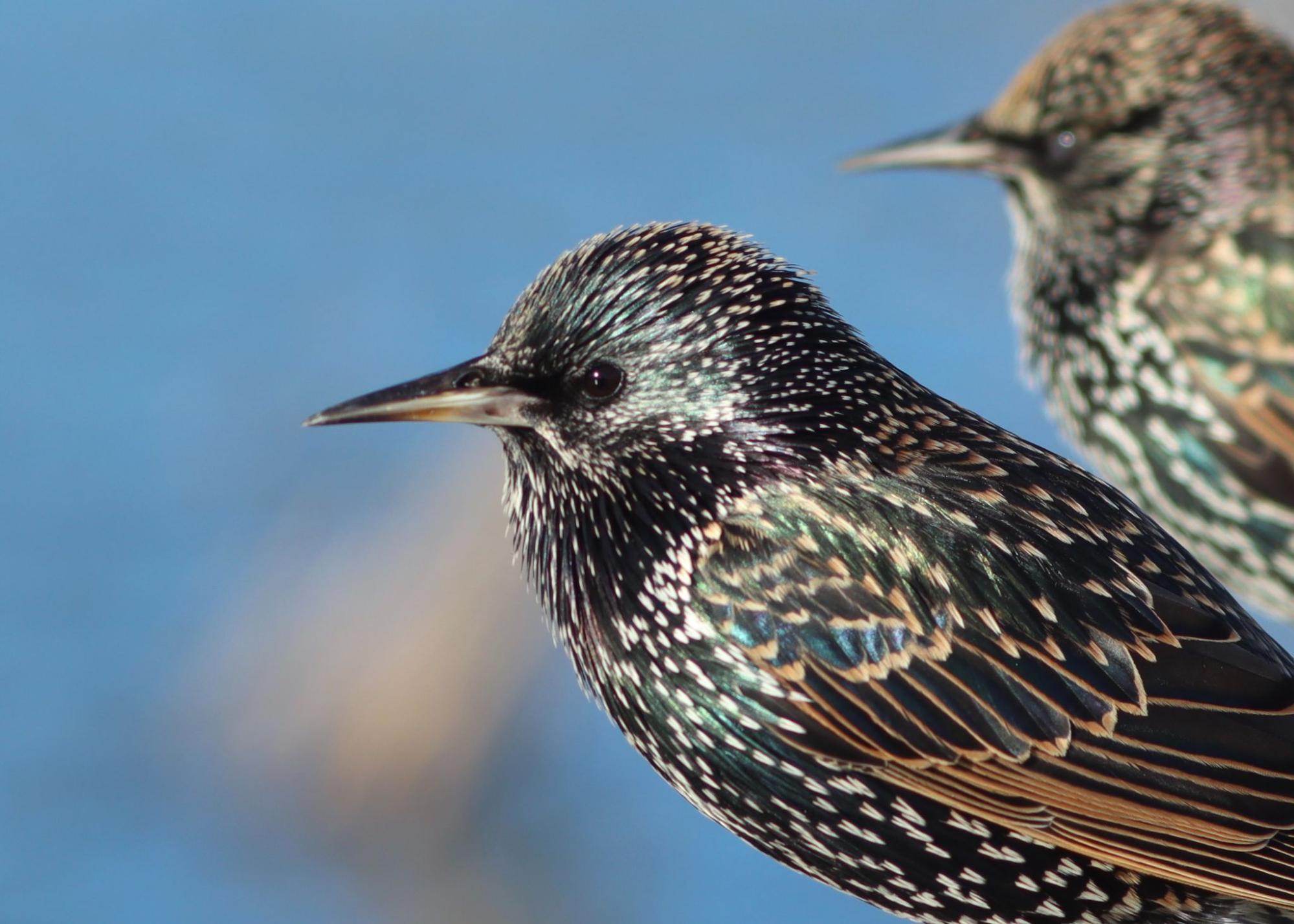
Bird spikes guide starlings and other small birds away from narrow perches that line signs and ledges. Crews mount strips with brackets that stay firm through heat and heavy wind. These tools reduce droppings around storefronts, vents, and windowsills. Sturdy materials prevent rust and remain steady throughout the year. Many facilities use spikes for tight corners that nets cannot cover. Spikes also pair well with other systems for more complete coverage.
Shock Track Solutions for Busy Roofs
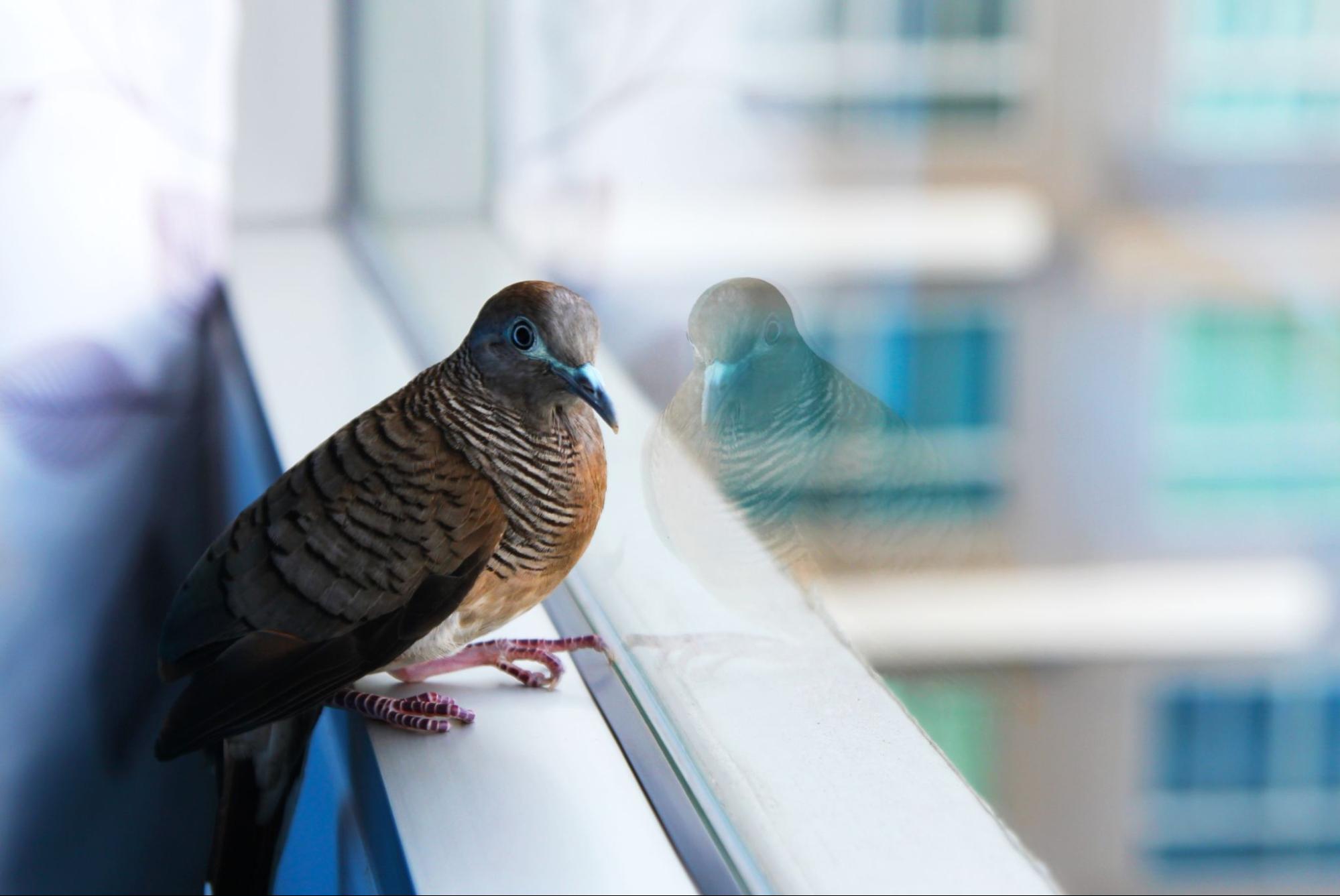
Shock track systems use low-profile conductive strips to teach birds to avoid landing on treated surfaces. Technicians install tracks along beams, skylights, and parapets that host repeated roosting. A mild pulse triggers a quick response that conditions birds to avoid the area. Weather-resistant components hold up through long summers and heavy storms. Controllers allow teams to adjust pulse strength and timing. Many commercial roofs rely on this method because the strips stay discreet.
Acoustic Devices for Roosting Zones
Acoustic bird control devices use targeted sound patterns to disrupt birds’ comfort in active zones. Technicians adjust frequencies to deter small species, such as sparrows, that gather near entrances. Some systems protect large zones while others focus on tighter corners. These units work well for loading docks and storage areas where sound disperses easily. Teams update settings as bird behavior shifts through the year. Many clients use acoustic tools as part of a broader prevention plan.
Data-Driven Bird Monitoring for Businesses
Data-driven monitoring helps businesses track bird movement with greater accuracy. Sensors and cameras provide constant feedback on roof activity, entry points, and loading zones. Real-time alerts help teams address problems before damage builds. Many companies rely on these insights because they support faster decisions.
Real-Time Tracking for Bird Activity
Real-time tracking tools give managers clear visibility across rooftops and elevated structures. Cameras capture flight paths and note consistent landing spots tied to crows. Sensors read movement patterns and notify teams when activity spikes. Technicians use heat maps to display where birds concentrate during peak hours. These tools help teams adjust hardware placement with more confidence. Real-time updates help leaders stay ahead of recurring issues.
Environmental Data for Smarter Planning
Environmental data strengthens bird control plans by providing additional context on building conditions. Wind patterns show where birds drift during migration shifts. Sun exposure affects roof temperature and shapes roosting habits in warmer months. Moisture readings highlight areas at risk of corrosion or surface wear. These insights help teams adjust equipment and prevention tools. Each data point supports more accurate planning.
Bird Removal and Sanitation by Leading Providers
Bird removal from commercial areas requires trained teams who understand species behavior and building pressure points. Many properties face hazards from nesting debris, droppings, and blocked vents. Removal services help protect staff, customers, and essential equipment. These steps provide leaders with a more straightforward path toward stable, cleaner environments.
Humane Bird Removal Services
Humane removal services use safe strategies that match each species and property layout. Technicians study roosting locations before moving birds away from sensitive zones. Each removal step follows approved guidelines that protect both people and wildlife. Teams also set short-term barriers that guide birds out of active work areas. Relocation plans help redirect traffic away from rooftops and ledges. Many facilities rely on removal services to reset the space before long-term tools are installed.
Nest Removal and Cleanup Support
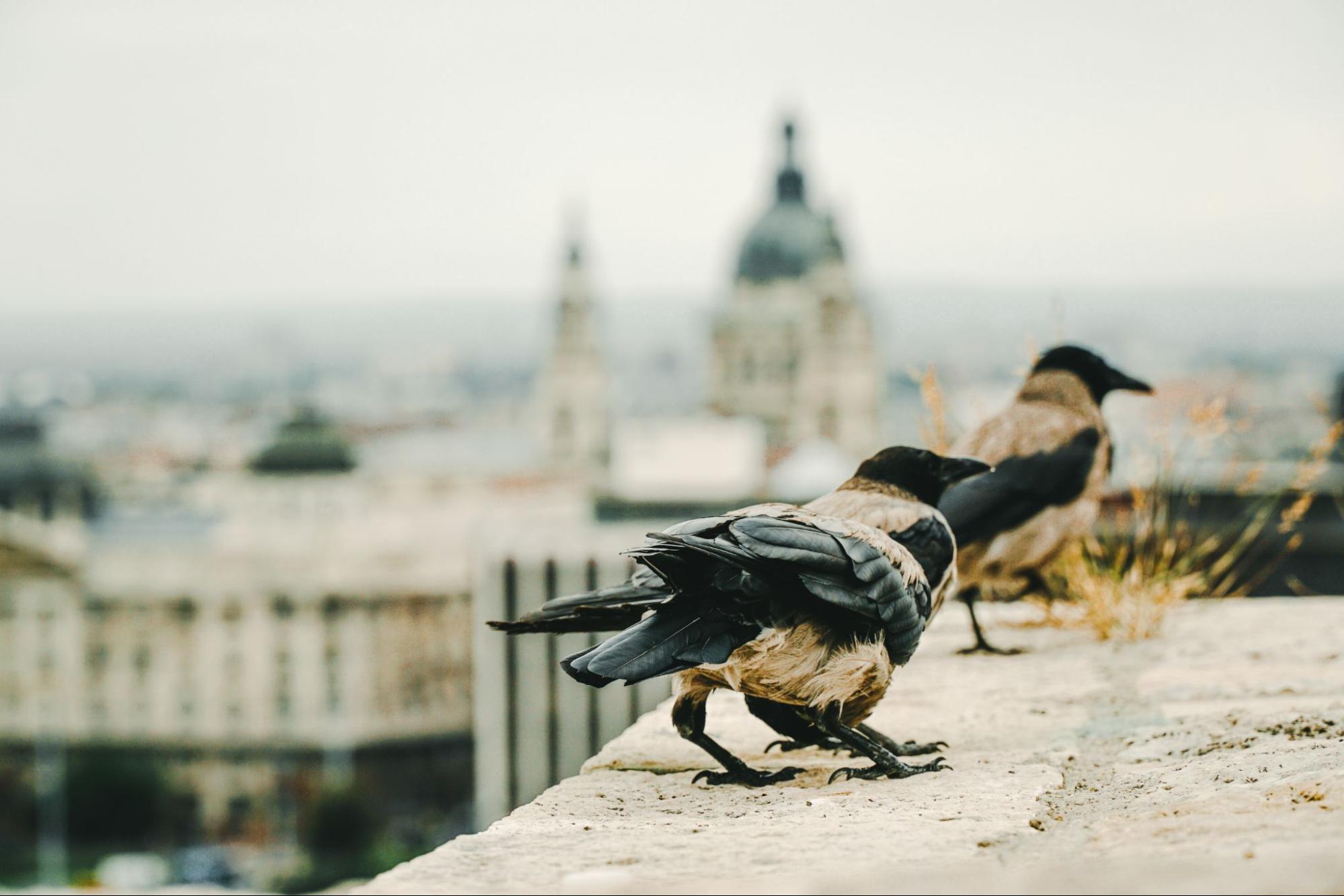
Nest removal clears debris that traps moisture and strains building materials. Crews extract nests from ducts, beams, signs, and other hard-to-reach spots. Some nests pose a fire hazard when built near warm motors or enclosed fixtures. Teams remove loose clutter that gathers beneath these structures. They also treat the area to prevent birds from rebuilding. Nest cleanup supports safer airflow and reduces structural stress.
Dropping Cleanup for Commercial Surfaces
Droppings damage roofing, stain concrete, and increase slip risks near entrances. Cleanup teams use strong but safe solutions that break down buildup without harming the surface. Workers wash problem areas with methods that limit splash and odor. After cleaning, technicians apply treatments that protect the surface longer. These steps create safer walkways for staff and visitors. Clean surfaces also improve property appearance and customer confidence.
Ongoing Bird Control Maintenance
Maintenance visits keep exclusion tools working correctly across high-pressure zones. Teams inspect nets, spikes, and acoustic devices for loose hardware. They adjust systems that shift after storms or heavy foot traffic. Seasonal reviews help prepare buildings for shifts in bird patterns. These visits also update managers on new risks or needed repairs. Ongoing maintenance supports stable performance year-round.
Custom Bird Control Plans for Business Sites
Custom plans help businesses match bird control solutions to their layout, budget, and workflow needs. Each site faces unique challenges shaped by height, traffic, and sensitive zones. Tailored programs help leaders address these issues without wasting resources. Many facilities use layered systems that support long-term success.
Industry-Specific Bird Programs
Different industries face different bird pressures that require targeted solutions. Warehouses handle wide roof spans that draw flocks across long flights. Retail centers feature customer-facing spaces that require clean entrances. Food plants protect vents and loading docks from contamination risks. Hospitals guard patient zones and rooftop equipment from debris buildup. Each industry gets a plan that covers its most exposed areas.
Staff Training and Bird Response Protocols
Staff training helps workers identify warning signs before problems expand. Employees learn how to report droppings, nesting material, and blocked drains. Clear protocols help protect equipment rooms, storage areas, and loading docks. Training also explains how new tools work, so staff understand what to expect. Managers gain support from teams that can spot activity quickly. This collective approach strengthens every long-term prevention effort.
Why Timely Bird Control Matters for Businesses
Strong bird control plans help companies protect operations, brand image, and facility safety with steady results. Many leaders prefer structured services because they reduce disruptions across high-traffic zones. The right approach also limits costly repairs that appear when birds settle into the same spots. Strategic action helps businesses keep buildings dependable year-round. Intense bird pressure grows when buildings provide food, warmth, and easy shelter. A clear plan allows leaders to reduce that pattern before it reshapes daily workflow.
Reinforce Your Building Strategy With Pest Control Pros
Bird pressure disrupts workflow fast, and strong support helps your facility stay steady through constant activity. Skilled teams bring structure, clarity, and proven methods that keep your property cleaner and more dependable each day. Modern tools also give you sharper control over risks that grow when flocks settle into the same zones. If your building needs clearer direction and stronger prevention, partnering with experts now sets your operation on a more stable path.
Stronger sites start with informed decisions and clear direction. Find expert perspectives and proven field knowledge on the Elite Bird Management blog.