Understanding the Best Swallow Bird Deterrent
Birds nesting around buildings can quickly become a persistent and costly issue. Swallows, in particular, return to familiar sites and build nests in sheltered areas. Their activity leads to sanitation concerns, safety risks, and visible damage over time. Many property owners struggle to find solutions that last beyond one season. Understanding how to manage swallow activity effectively helps reduce repeat problems and protect daily operations.
Why Swallows Choose Commercial Buildings
Swallows prefer commercial structures because these environments provide shelter, food access, and stable nesting surfaces. These properties often feature open beams, ledges, and overhangs that support the attachment of nests. In addition, nearby lighting and water sources increase insect activity, which attracts birds. This combination creates ideal nesting conditions that encourage swallows to return each year.
Swallow Nesting Behavior
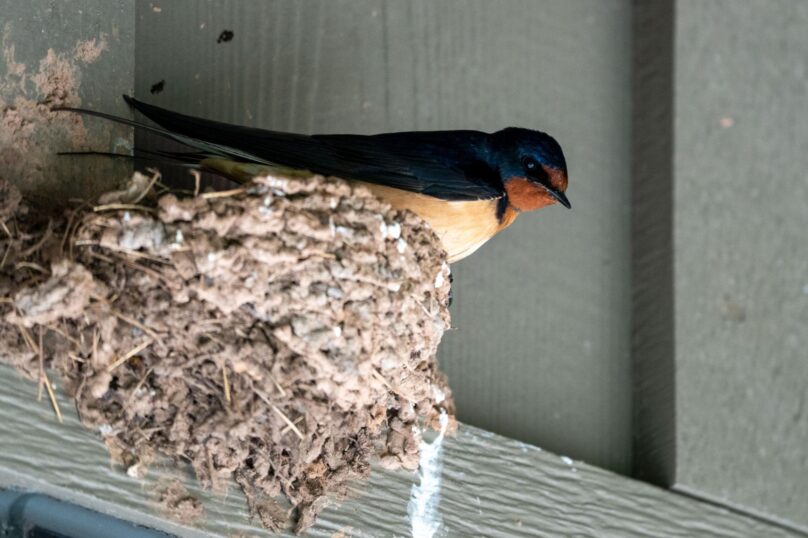
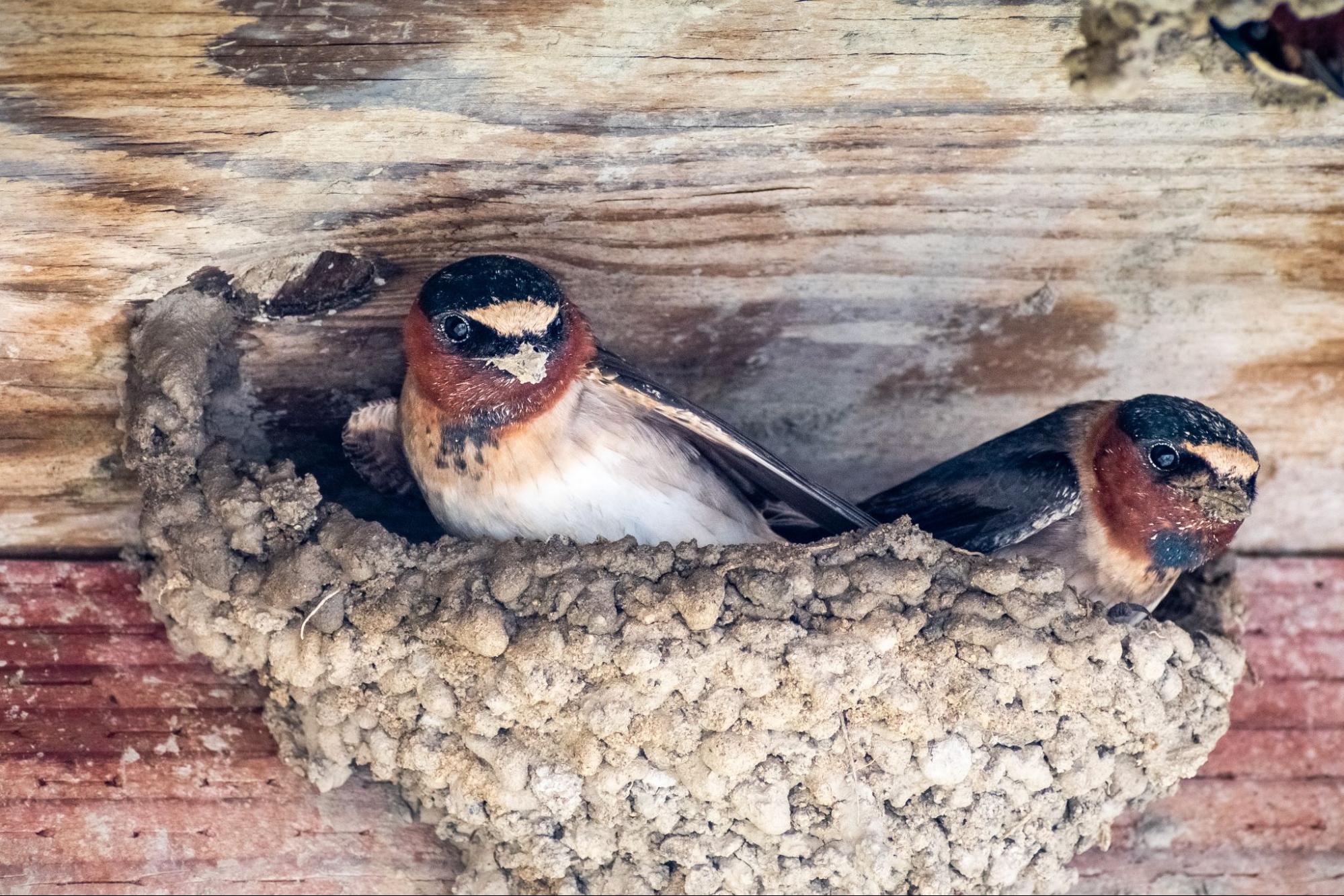
Swallows follow a seasonal migration pattern and return to familiar nesting locations each year. This behavior leads to recurring infestations when properties remain unprotected. They build mud nests that attach firmly to vertical and horizontal surfaces. These nests harden quickly, which makes removal more difficult over time. Additionally, swallows often nest in groups, which rapidly increases population density. This nesting pattern creates a cycle that continues unless property owners intervene with effective deterrents.
Structural Features That Attract Swallows
Commercial buildings attract swallows because of their structural design and environmental conditions. These buildings often feature wide overhangs that shield nests from the elements. Flat ledges provide strong support for mud nests, which helps birds maintain stability. Artificial lighting increases insect presence, which draws swallows closer to the structure. Nearby water sources further support feeding activity and nesting behavior. This combination of features creates a reliable habitat that encourages long-term bird activity.
Swallow Damage and Cost Risks
Swallow infestations create direct and indirect costs that affect property operations and maintenance budgets. These issues often begin with minor bird activity but grow into widespread problems over time. Property owners face repeated cleaning, repairs, and operational disruptions without proper control measures. This situation increases expenses and reduces overall efficiency across commercial facilities.
Surface Damage From Bird Droppings
Bird droppings damage surfaces because they contain acidic compounds that break down materials. These substances affect paint, metal, and concrete when exposure continues over time. Nesting activity also leads to a buildup that blocks gutters and drainage systems. This blockage causes water overflow and structural strain in affected areas. Equipment placed near nesting zones may become contaminated and corroded. This damage requires frequent maintenance and increases long-term repair costs.
Health and Safety Risks On-Site
Swallowing activity poses health risks and safety hazards to employees and visitors. Bird droppings create slippery surfaces, increasing the risk of workplace accidents. These surfaces also carry bacteria that may affect air quality in enclosed areas. In addition, nesting debris can accumulate in high-traffic areas, creating obstructions. This situation raises concerns about regulatory compliance and workplace safety standards. Property managers must address these risks to maintain a clean and safe environment.
Operational Impact and Liability Issues
Swallow infestations disrupt daily operations and affect productivity across commercial properties. Cleaning efforts require time and labor, which interrupts regular workflows. Restricted access to certain areas can delay tasks and reduce efficiency. This disruption may also affect customer perception and overall business reputation. Accidents linked to bird activity can lead to liability claims. Property owners face financial and legal consequences if these issues remain unresolved.
What Makes a Bird Deterrent Work?
A swallow bird deterrent works by preventing nesting while remaining durable and compliant with regulations. These solutions must address both immediate bird activity and long-term prevention needs. Property owners benefit from systems that adapt to different structural conditions. This approach improves effectiveness and reduces recurring infestations.
Legal and Humane Bird Control Methods
Swallows are a protected species, and property owners are subject to regulations that limit how they can respond. This legal framework restricts nest removal during active breeding periods. Humane deterrents offer a compliant solution that discourages nesting without harming birds. These methods include exclusion systems and non-lethal deterrents. Following regulations helps avoid fines and legal complications. This responsible approach supports both property protection and wildlife management standards.
Durability in Harsh Environments
Deterrents must withstand outdoor conditions to remain effective year-round. These conditions include heat, rain, and continuous environmental exposure. Durable materials reduce the need for frequent replacement or repairs. This reliability lowers long-term maintenance costs for property owners. Strong construction maintains consistent performance over time. This durability ensures that deterrents continue to function in demanding industrial settings.
Flexible Solutions for Complex Structures
Commercial properties vary in layout, which requires adaptable deterrent systems. These systems must fit different surfaces, heights, and architectural features. Flexible designs allow for targeted installation in high-risk areas. This customization improves overall coverage and effectiveness. Adaptable solutions help address unique challenges across different facilities. This tailored approach increases long-term success in bird control efforts.
Types of Swallow Deterrent Systems
Swallow bird deterrent systems include physical, visual, and surface-based solutions that prevent nesting. These methods work best when selected based on property design and bird behavior. Property owners often combine multiple systems to improve results. This layered approach reduces the likelihood that birds will adapt to a single method.
Physical Barriers and Exclusion Systems
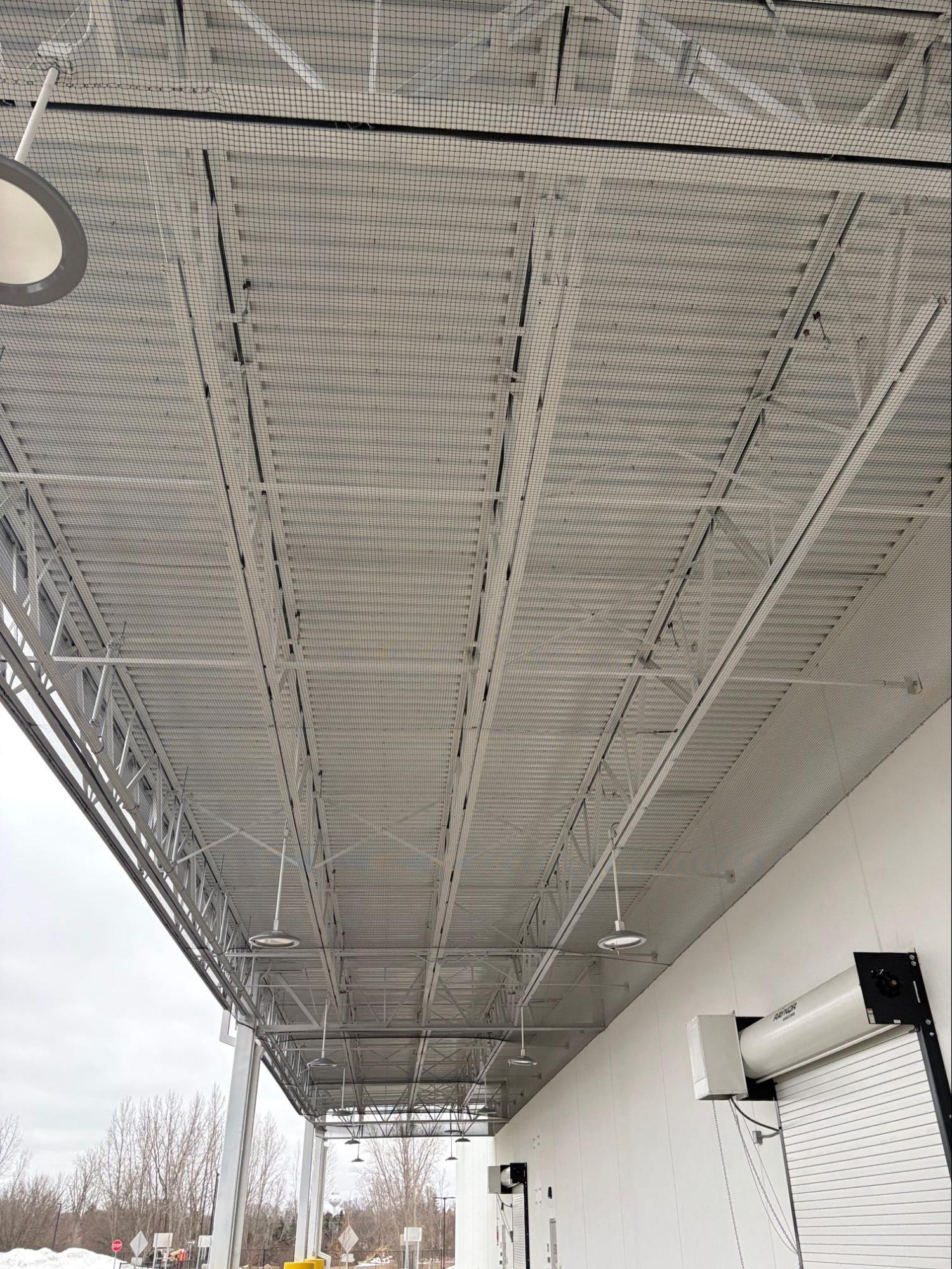
Physical barriers block access to nesting areas and prevent birds from settling. Bird netting covers large spaces and protects open structures from intrusion. Spikes placed on ledges discourage birds from landing and building nests. These systems create a physical obstacle that limits nesting opportunities. Proper installation ensures that no gaps remain for birds to exploit. This method provides long-term protection when applied correctly.
Visual and Reflective Deterrent Tools
Visual deterrents disrupt bird activity by creating movement and perceived threats. Reflective materials produce light patterns that make surfaces less appealing. Predator decoys also signal danger to swallows within the area. However, birds may become accustomed to static objects over time. Regular repositioning helps maintain effectiveness. This solution works best when combined with other deterrent methods.
Sound and Motion-Based Deterrents
Sound and motion systems activate when birds approach specific areas. These systems produce sudden stimuli that discourage birds from landing. This response interrupts nesting attempts and reduces activity over time. However, consistent variation prevents this bird species from adapting to repeated patterns. These systems work well in large, open industrial spaces. This approach adds an active layer of defense against bird intrusion.
Surface Treatments and Landing Prevention
Surface treatments make areas unsuitable for birds to land or build nests. Special coatings create textures that feel unstable or uncomfortable. Sloped panels also prevent birds from gaining a stable foothold. These modifications reduce the number of viable nesting locations. Maintenance remains necessary to sustain effectiveness over time. This method strengthens overall deterrent strategies when used with other solutions.
Choosing the Right Bird Deterrent Plan
The right bird deterrent plan depends on property layout, risk level, and operational needs. These factors influence which methods will perform best in specific environments. Property owners benefit from a detailed assessment before selecting solutions. This evaluation helps target problem areas and improve results.
Identifying High-Risk Nesting Zones
Identifying high-risk areas allows property owners to focus deterrent efforts effectively. Common zones include entrances, loading docks, and roof edges. These locations provide shelter and easy access for nesting activity. Monitoring bird patterns helps determine where activity occurs most often. This information guides the placement of deterrent systems. This targeted approach reduces wasted resources and improves efficiency.
Matching Solutions to Building Types
Different building types require specific deterrent combinations for best results. Large facilities often benefit from netting and exclusion systems. Smaller structures may rely on spikes and surface treatments. Budget considerations also influence solution selection. This balance between cost and performance helps maximize value. This customized approach improves long-term outcomes.
Combining Deterrents for Better Results
Combining multiple deterrents creates a stronger and more reliable defense system. This method reduces the likelihood that birds will adapt to a single solution. For example, netting paired with visual deterrents increases effectiveness. Each method supports the others in limiting bird activity. This layered approach improves coverage across the property and delivers consistent results over time.
Timing Strategies for Swallow Deterrent Setup
Timing affects the success of bird control efforts because swallows exhibit predictable seasonal patterns. Installing deterrents at the wrong stage reduces effectiveness and increases costs. Property owners who understand these patterns gain better control over nesting activity. This timing strategy helps prevent birds from establishing nests in the first place.
Pre-Season Installation Advantages
Installing deterrents before nesting begins reduces the likelihood that swallows will settle in. Birds search for suitable locations early in the season and commit quickly. Blocking access points during this period prevents nest formation entirely. This approach reduces the need for removal or reactive measures later. It also keeps properties compliant with wildlife regulations. This proactive timing improves long-term results.
Challenges of Late-Stage Intervention
Once nests are established, options for removal are limited by legal protections. Swallows become more persistent and harder to deter during active nesting. Deterrents installed at this stage are often less effective. Property owners may need to wait until the season ends before taking action. This delay allows the infestation to grow and spread across the property. This challenge highlights the importance of proper timing in bird control planning.
Professional vs DIY Bird Deterrent Options
Professional bird control services provide expert knowledge of swallow behavior, resulting in precise placement and stronger coverage. These specialists use commercial-grade materials designed to withstand harsh conditions and repeated exposure. They also address compliance requirements, thereby reducing the risk of legal issues related to protected bird species. DIY methods, on the other hand, often rely on basic tools that may not adequately cover all vulnerable areas. This limitation leads to short-term results, repeated costs, and potential safety risks during installation.
Optimize Your Bird Deterrent Approach
Uncontrolled nesting expands quickly and affects more areas when left unmanaged. Delayed action increases maintenance demands and raises long-term operational costs. A well-structured swallow bird deterrent approach reduces repeat activity and improves overall property conditions. Property owners who rely on expert guidance maintain cleaner, safer spaces with fewer disruptions.
Find better ways to manage bird activity with confidence. Explore the Elite Bird Management blog for reliable advice tailored to real property challenges.