What Are Signs of a Bird Infestation?
Commercial and industrial buildings attract birds for reasons owners often overlook. Flat rooftops, sheltered ledges, and warm mechanical systems create ideal roosting zones. Over time, bird activity shifts from occasional presence to a persistent operational problem. When that shift goes unnoticed, the resulting bird infestation affects safety, cleanliness, and long-term asset value in ways that rarely stay contained.
Why Bird Infestations Demand Attention in Commercial Settings
Bird infestations create layered challenges that reach beyond surface-level nuisance issues. In commercial environments, even small problems compound quickly due to building size and daily foot traffic. Owners and facility managers must balance productivity, compliance, and tenant satisfaction while managing these risks. Ignoring warning signs often leads to disruptions that interfere with normal operations and the building of reputation.
Operational Disruptions Linked to Bird Activity
Birds nesting near entrances, docks, or rooftops interfere with daily workflows. Employees may alter routines to avoid aggressive birds or contaminated walkways. Delivery schedules can slow down when loading zones become unsanitary or unsafe. Over time, these disruptions strain productivity and frustrate tenants who expect consistent access. Building managers also spend additional time addressing recurring complaints rather than focusing on core responsibilities.
Sanitation Challenges in High-Traffic Facilities
Bird droppings introduce bacteria and parasites into shared spaces. In warehouses and factories, contamination spreads faster due to airflow and machinery movement. Cleaning crews face increased workloads without solving the root cause. As the buildup continues, odors and stains become harder to remove. This environment affects worker comfort and creates concerns during inspections.
Brand and Reputation Concerns for Businesses
Clients and visitors notice unsanitary conditions immediately. Visible bird mess near entrances damages the professional image. Retail and office tenants associate these conditions with poor property management. Negative impressions often linger longer than physical cleanup efforts. Reputational damage can influence lease renewals and occupancy rates.
How Bird Infestations Reveal Themselves on Properties
Bird infestations rarely appear without warning, even in large commercial and industrial facilities. Subtle changes in building conditions often precede visible damage and operational disruption. These early indicators emerge through patterns in behavior, cleanliness, and structural wear. Recognizing how a bird infestation manifests lays the foundation for understanding the specific risks that follow.
Visible Warning Signs on Building Exteriors
Exterior surfaces often provide the earliest physical evidence of sustained bird presence. These signs develop gradually as birds return to the same roosting areas each day. Weather exposure accelerates deterioration once contamination begins. By the time exterior damage becomes noticeable, activity has often been ongoing for some time.
Ongoing Buildup of Bird Droppings
Droppings tend to accumulate beneath roof edges, ledges, and signage. When buildup appears repeatedly in the same locations, it indicates consistent roosting above. The acidic nature of droppings corrodes metal and roofing materials over time. Painted surfaces discolor and weaken over time. Walkways become slippery, increasing the risk of slip-and-falls. These conditions raise liability concerns for property owners.
Nesting Debris Around Ledges and Equipment
Twigs, feathers, and debris collect near vents and mechanical housings where birds seek shelter. These materials restrict airflow and obstruct drainage paths. Moisture becomes trapped, increasing strain on surrounding structures. Insects often appear alongside nesting debris, compounding sanitation issues. Equipment performance may decline as debris accumulates. Their presence confirms that birds view the structure as a reliable nesting site.
Surface Staining and Exterior Material Damage
Dark streaks beneath ledges often appear before nests are visible. These stains deepen as contamination continues and spreads. Masonry and concrete surfaces weaken under repeated exposure. Sealants and coatings fail sooner than expected. Damage spreads across large areas over time. Repairs become more complex as deterioration progresses.
Behavioral and Noise Patterns Around Facilities
Bird behavior offers valuable insight into the scale of activity on a property. Noise levels and movement patterns change as birds establish territory. These indicators often appear during normal business hours. Observing these behaviors helps identify nesting locations before physical damage intensifies.
Repeated Bird Noise During Operating Hours
Persistent chirping, cooing, or flapping suggests nearby roosting sites. Sounds intensify during feeding and nesting periods throughout the day. In office environments, noise disrupts meetings and concentration. Warehouses experience an echo that complicates communication. Continuous noise usually reflects population growth rather than isolated presence. Over time, tolerance gives way to formal complaints.
Defensive or Territorial Bird Behavior
Some birds aggressively defend nesting areas. Employees may experience dive-bombing near entrances or rooftops. This behavior creates safety concerns for workers and visitors. Incidents often increase during breeding seasons. Access to certain areas becomes restricted as birds assert territory. Liability exposure grows with each reported encounter.
Consistent Flight Paths and Roosting Activity
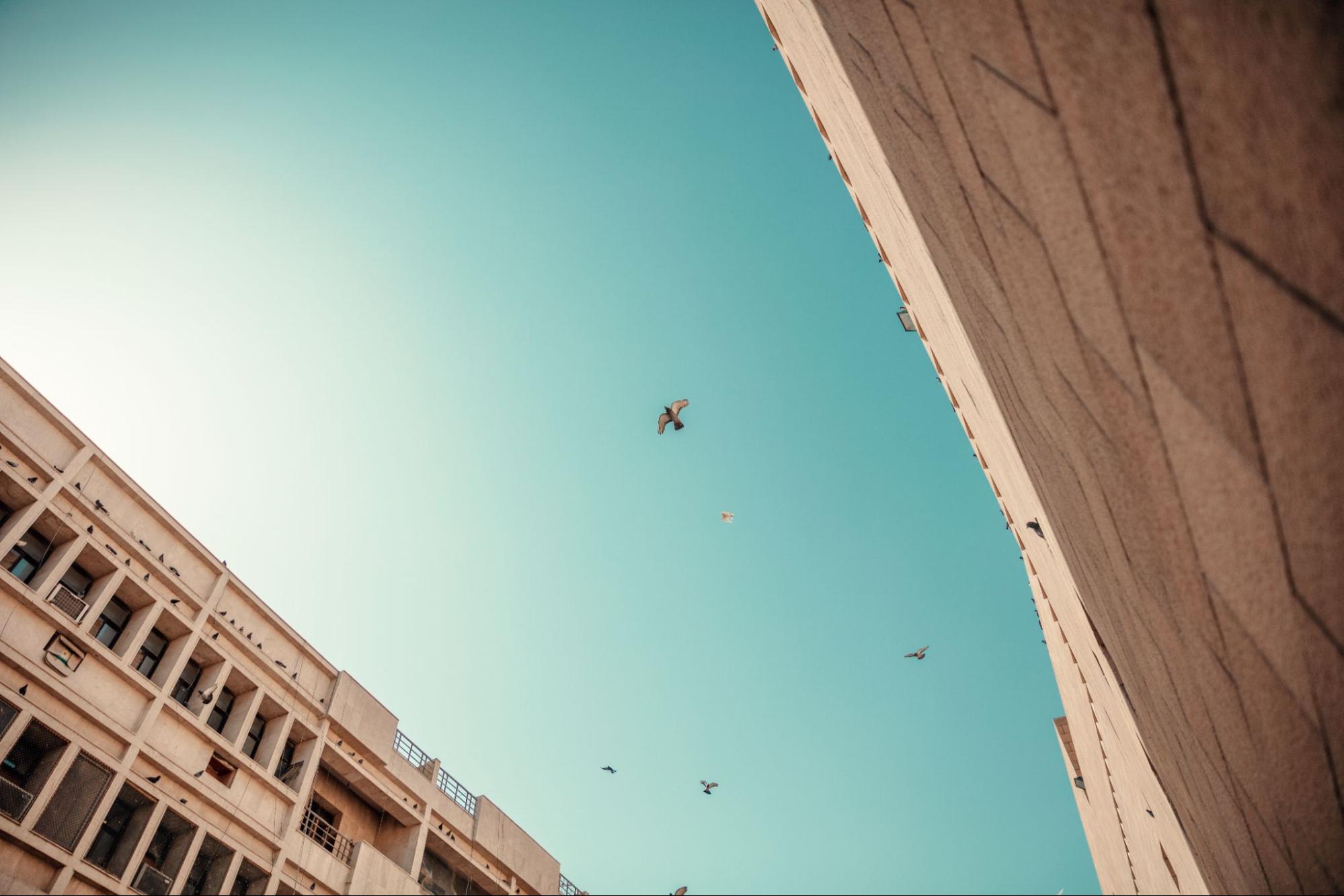
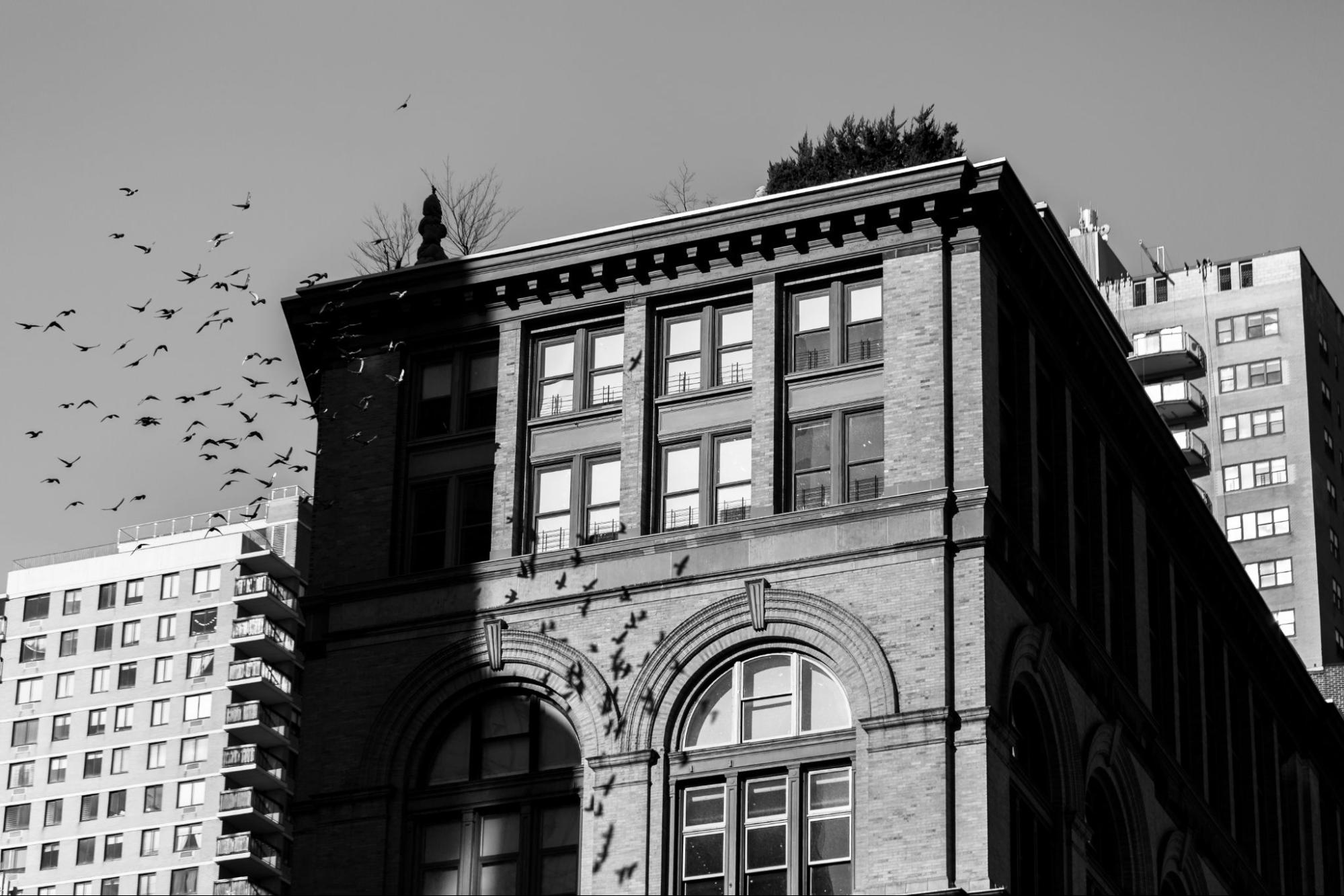
Birds tend to follow the same flight routes when nests are established. Repeated movement along rooflines and vents reveals preferred access points. These patterns become more pronounced as populations increase. Observing flight behavior helps pinpoint nesting zones. Activity intensifies as birds reinforce site loyalty. Recognizing these patterns supports a targeted response.
Structural and System Issues Caused by Birds
Bird activity affects building systems gradually and often goes unnoticed. Damage develops quietly until performance issues emerge. Mechanical systems endure prolonged strain from nesting and debris. These conditions compromise the property’s long-term reliability.
Blocked Gutters and Roof Drainage Paths
Nesting materials clog gutters and roof drains. Water pooling during rainfall stresses roofing membranes. Prolonged moisture exposure leads to leaks and interior damage. Insulation deteriorates without immediate visibility. Drainage failures accelerate roof wear. Repair costs rise as damage spreads.
Mechanical System Disruption from Nesting
Birds enter HVAC systems in search of warmth and shelter. Nests restrict airflow and reduce efficiency. The equipment works harder to maintain temperature control. Energy consumption increases steadily. Overheating or shutdowns occur unexpectedly. Repairs interrupt normal building operations.
Combustion Risks from Dry Nest Materials
Dry nesting debris accumulates near electrical components. Heat sources increase the risk of ignition in confined spaces. Mechanical rooms face elevated hazards. Fire risks often remain hidden until inspections occur. Incidents carry severe operational consequences. Prevention reduces exposure to these avoidable dangers.
Indoor Conditions Linked to Bird Presence
Once birds gain access to interior spaces, control becomes more challenging. Indoor environments amplify health and sanitation concerns. Contamination spreads faster within enclosed areas. These indicators suggest advanced and sustained activity.
Birds Entering Warehouses or Work Areas
Birds enter buildings through damaged roofs, vents, or open doors. Once inside, they roost on beams and shelving. Droppings contaminate inventory and equipment. Removal is complicated by ceiling height and space constraints. Operations are slow during cleanup efforts. Continued access supports population growth indoors.
Persistent Odors and Air Quality Changes
Accumulated droppings release strong odors over time. Ventilation systems circulate airborne particles throughout the building. Employees report discomfort and respiratory irritation. Odors often indicate hidden nesting locations. Air quality declines steadily as contamination spreads. Addressing odors requires eliminating the source.
Rising Cleaning Needs in Specific Zones
Cleaning teams notice recurring messes in the same areas. Frequency increases without lasting improvement. Maintenance requests are increasing due to stains and blockages. These patterns point to ongoing bird activity. Labor costs escalate as efforts repeat. Permanent solutions reduce recurring workload.
Bird Species Commonly Involved in Infestations
Certain bird species adapt especially well to commercial environments. Their behaviors and nesting habits drive infestation patterns. Recognizing these species helps anticipate risks. Each presents unique challenges for property owners.
Pigeons in Urban Commercial Areas
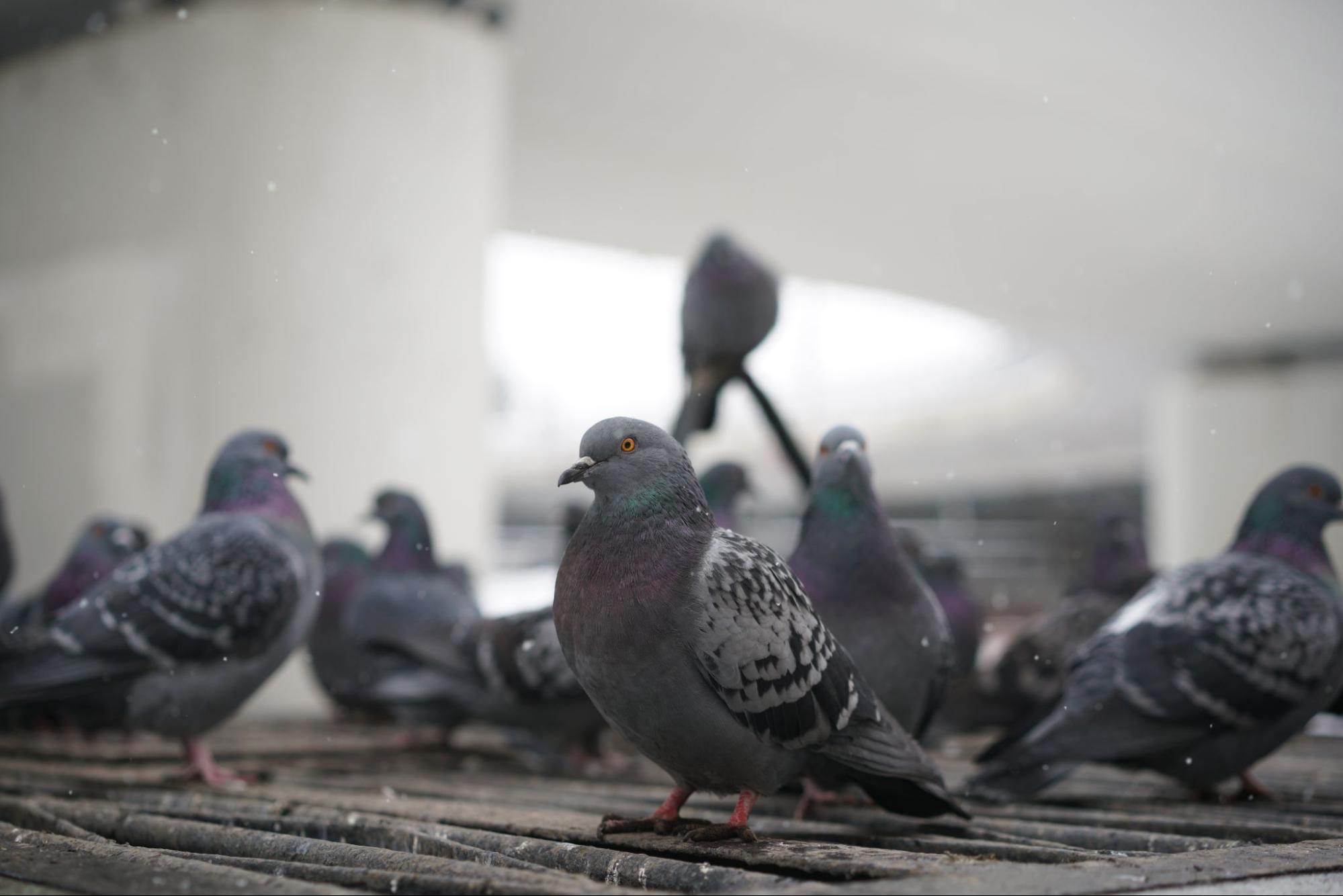
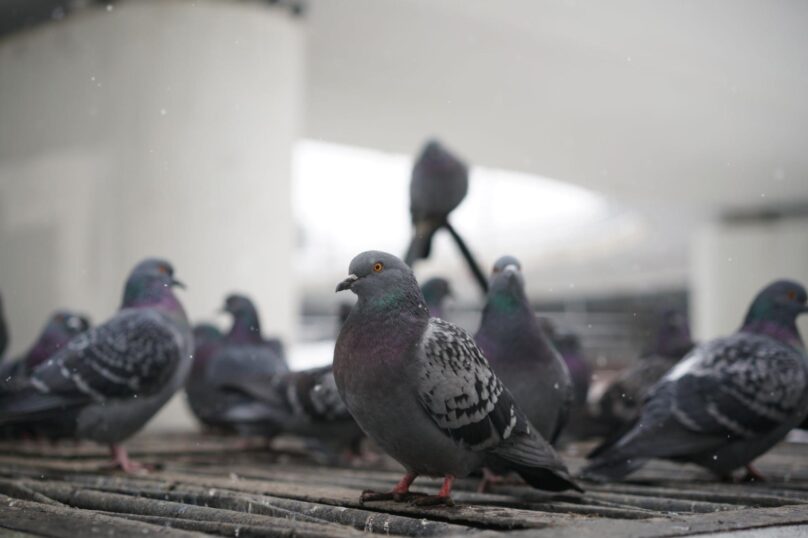
Pigeons thrive in dense urban settings. They prefer flat surfaces and sheltered ledges. Colonies expand quickly when food sources remain nearby. Droppings accumulate heavily beneath roosting sites. Pigeons return persistently once established. Their presence often signals long-term infestation.
Sparrows and Starlings Around Industrial Sites
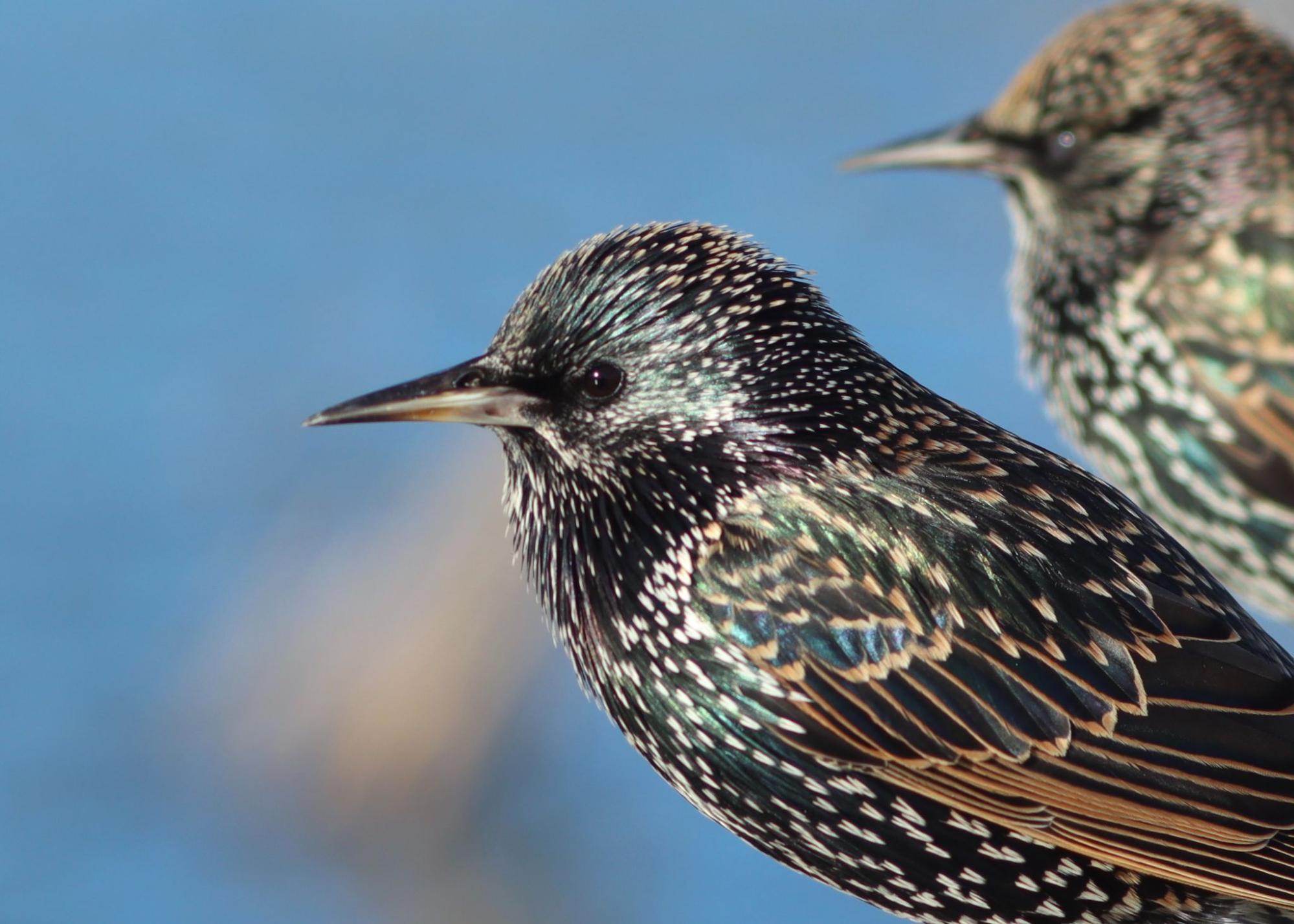
Smaller birds nest inside vents and structural gaps. Their nests block airflow and drainage systems. Starlings form large flocks that overwhelm properties. These species adapt quickly to environments without deterrents. Removal proves difficult once nesting begins. Industrial zones offer ideal shelter and warmth.
Gulls Near Coastal and Waste Facilities
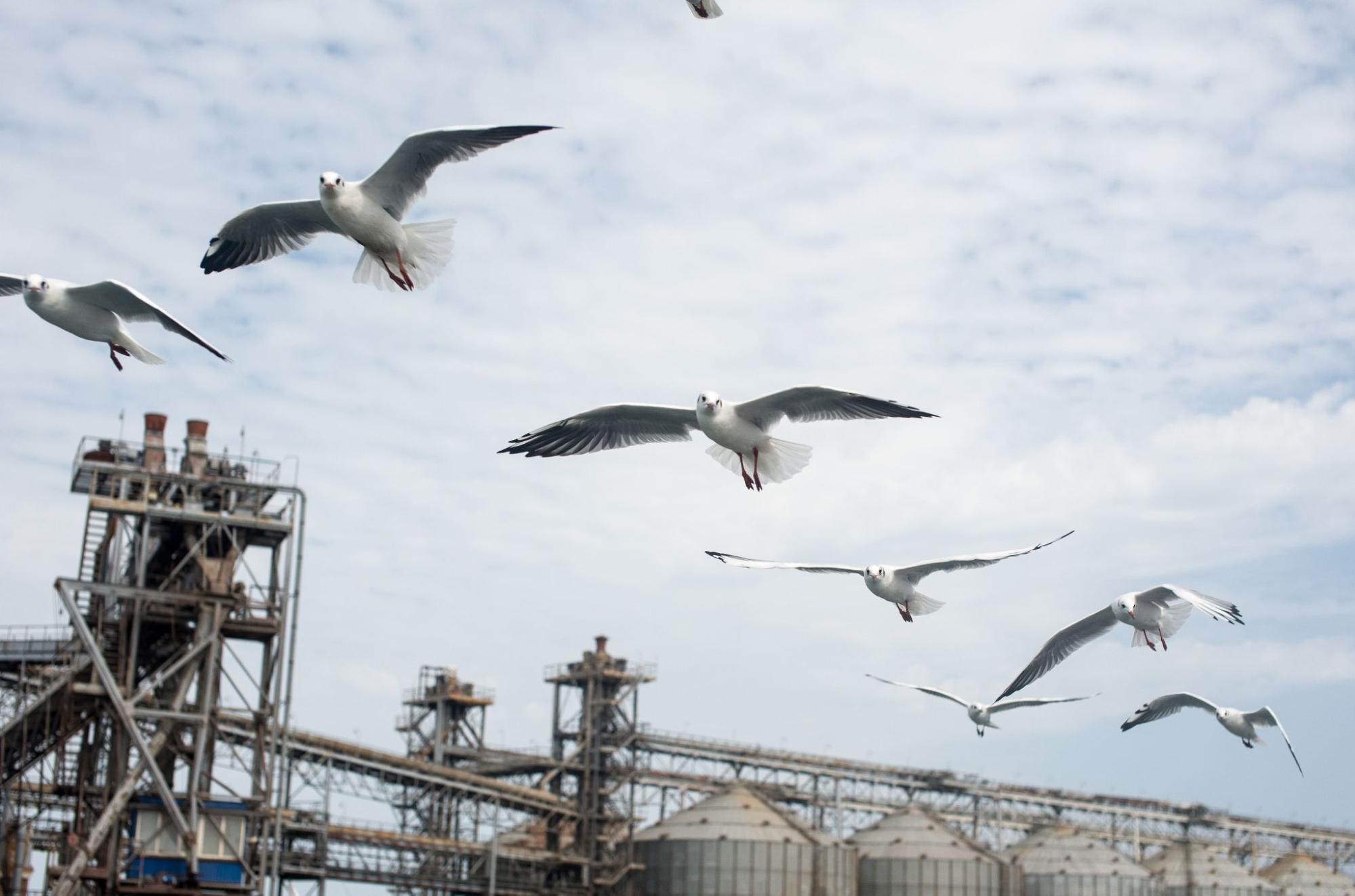
Seagulls target rooftops near food waste sources. Their size and strength cause structural strain. Noise levels increase during nesting seasons. Droppings spread across wide surface areas. Gulls also display aggressive behavior. Properties near landfills face higher exposure.
Why Bird Infestations Escalate Rapidly
Bird infestations expand faster than many owners expect. Reproductive cycles and site loyalty accelerate growth. Commercial properties offer protection from predators. These factors combine to worsen conditions quickly.
Rapid Breeding and Population Growth
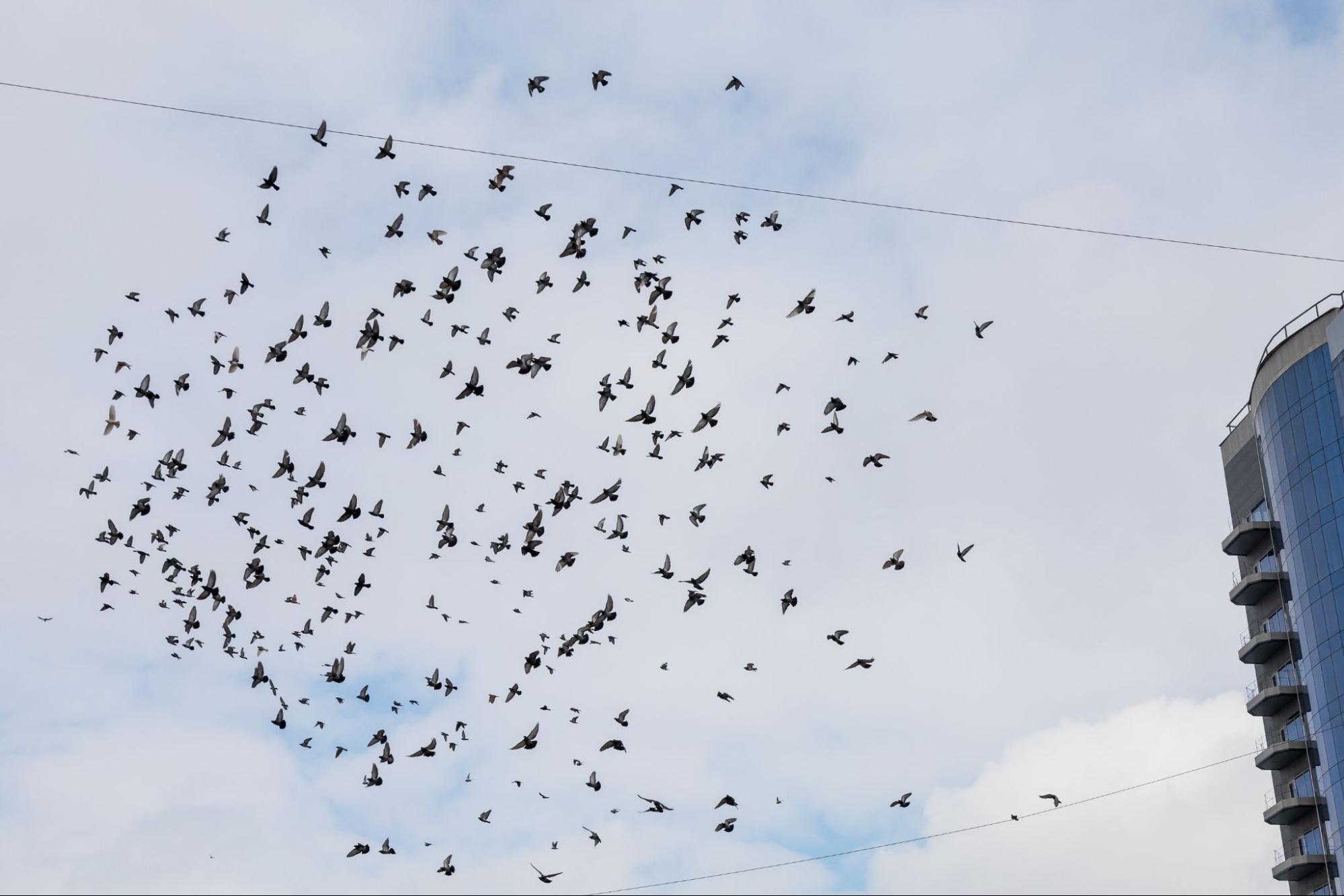
Many birds reproduce multiple times each year. Nesting pairs multiply within a single season. Young birds return to familiar sites. Population density increases without intervention. Each generation strengthens site attachment. Growth outpaces manual control efforts.
Limited Natural Predators in Commercial Zones
Urban environments lack natural bird predators. Large buildings provide elevated safety. Birds face minimal threats once established. This imbalance favors unchecked population growth. Deterrents become necessary where predators are absent. Without them, infestations spread across properties.
Financial and Legal Consequences for Property Owners
Bird infestations carry financial and regulatory implications. Costs extend beyond cleanup and repairs. Legal exposure grows as conditions worsen. Owners must consider long-term financial stability.
Rising Maintenance and Repair Costs
Minor damage can escalate into extensive damage without intervention—repeated repairs strain maintenance budgets. Structural repairs often exceed initial projections. Energy costs rise due to inefficient systems. Cleanup expenses recur without resolution. Long-term costs surpass preventive investment.
Compliance and Liability Exposure
Health inspectors note unsanitary conditions quickly. Violations trigger fines and corrective actions. Employee safety complaints increase liability risks. Tenants may pursue legal remedies. Documentation becomes critical during disputes. Proactive management reduces legal vulnerability.
Address Bird Infestation Risks Before Operations Suffer
Allowing warning signs to persist gives bird infestations room to expand into critical building areas. What begins on rooftops or ledges often surfaces later as safety concerns, compliance pressure, or rising maintenance costs. Effective bird management shifts the focus from repeated cleanup to controlled, long-term resolution. Property owners who recognize the value of structured bird management protect operational continuity, tenant confidence, and overall asset performance.
For deeper insights into bird-related risks and practical property solutions, explore the Elite Bird Management blog.