Why Bird Control for Crows Requires Understanding Their Intelligence and Behavior
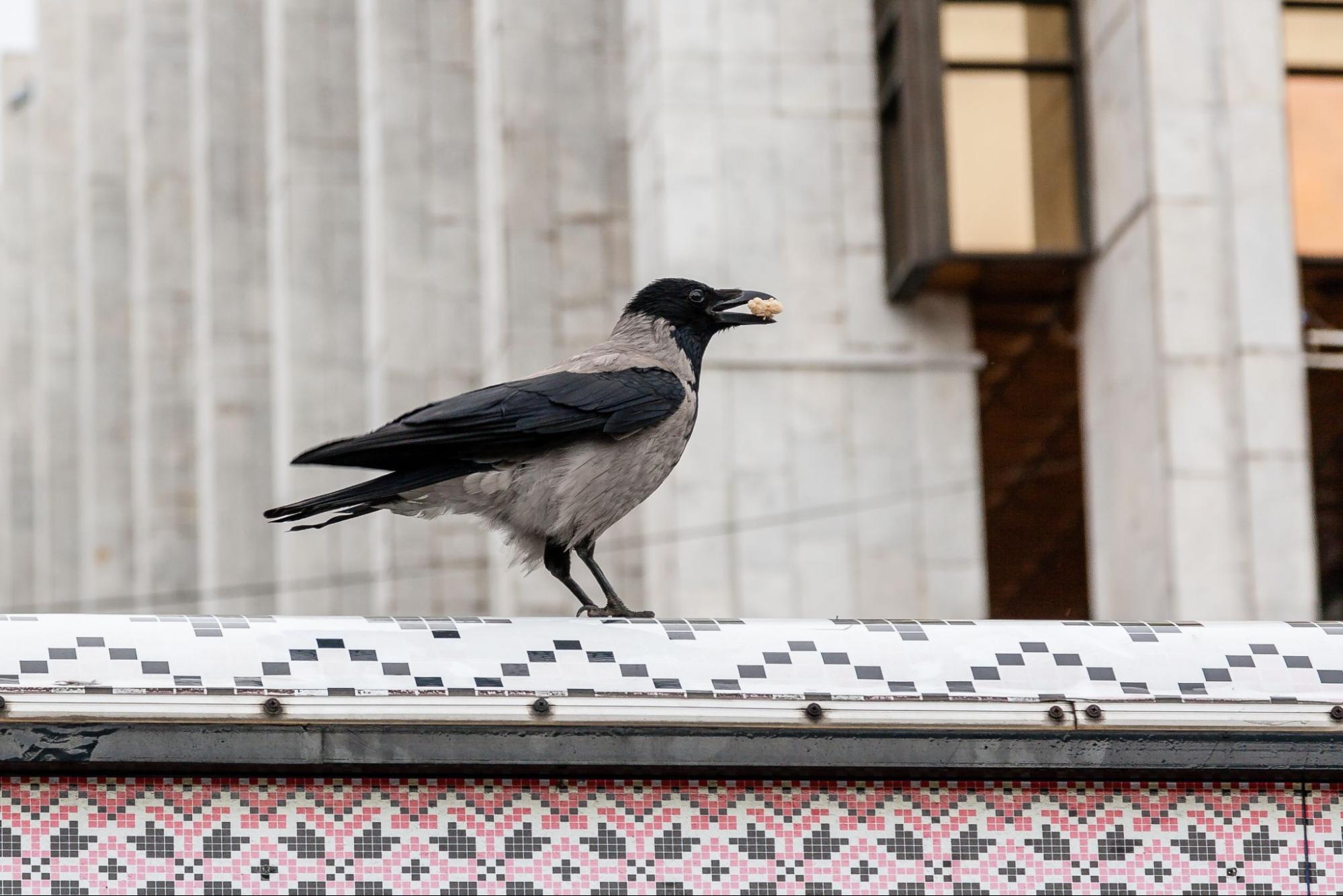
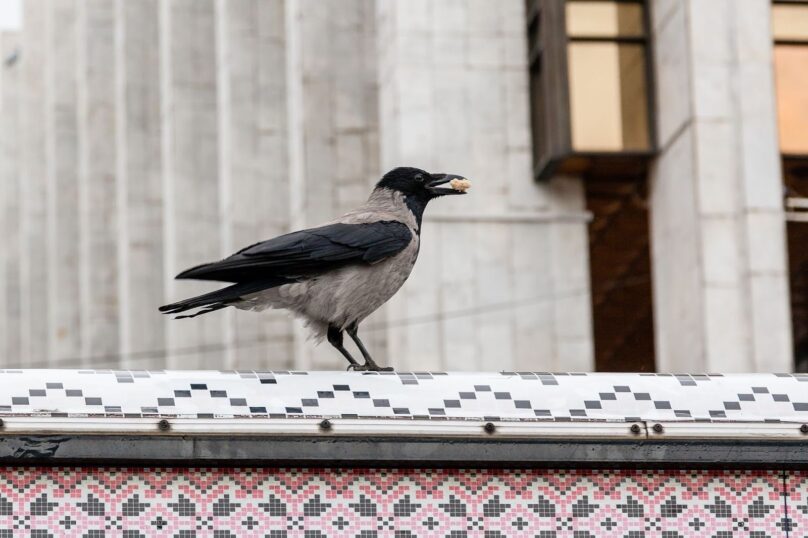
Crow behavior challenges business owners because crows think quickly. Their sharp instincts help them study patterns around busy sites. They notice routines, spot gaps, and adjust to new conditions. Their focus and memory help them push past simple deterrents. Owners need real insight into these traits to control crow activity.
Why Crows Need Control in Commercial Areas
Crows create steady pressure on commercial areas due to food waste, open structures, and constant activity. Their sharp minds help them locate scraps, warm vents, and high resting points across the site. They gather in groups, which increases noise and droppings and poses safety risks to staff and customers. Their bold behavior grows stronger when they discover easy rewards in the same spots each day. They also return with more birds once they form habits around feeding or roosting zones. Their movement patterns expand when sites offer comfort and predictable access. These behaviors require business owners to intervene before problems spread across the property.
Why Bird Control for Crows Needs Behavioral Insight
Crow behavior guides the choices owners make across each site. Their sharp instincts drive them to explore, test, and learn fast. These traits determine how effectively deterrents function across the property. Understanding these patterns gives owners a stronger path to absolute bird control.
Understanding Crow Intelligence Means Better Control
Crows test site defenses with sharp awareness and bold interest. Their actions follow patterns shaped by group learning and daily rewards. They explore roofs, ledges, and waste zones with clear intent. Their behavior prompts owners to use firmer, smarter strategies that match how these birds think.
Crow Intelligence Drives Effective Control
Crows inspect new objects with caution and steady focus. They test weak areas and shift techniques when they sense patterns. Their quick learning helps them bypass simple deterrents with ease. They also track staff routines and adjust feeding times accordingly. This level of insight calls for more thoughtful planning that accounts for daily movement. Owners must anticipate how crows respond to pressure and change. This approach keeps their testing behavior from spreading across the site.
Social Learning Shapes Control Success
Crows share food routes and safe points using short calls. They quickly pass discoveries through the flock. Their structure enables them to promptly cover broad business areas. They also support each other when a threat appears nearby. Their shared learning patterns strengthen daily habits around movement and feeding. When space tightens, their communication shifts and affects how they navigate the property. Owners need strategies that disrupt this cycle early.
Urban Behavior Impacts Control Methods
Crows use rooftops, vents, and loading docks for shelter. They adapt fast to noise, lights, and steady human movement. Business sites give them food scraps, open bins, and open spaces. Their movement patterns grow stronger when rewards stay consistent. Their ability to shift routes quickly adds pressure to busy operations. They also return to the same areas once they memorize access points. These behaviors create long-term strain when left unmanaged.
Tracking Crow Behavior Strengthens Site Management
Crow habits shift in response to changes in food access, movement routes, and group cues. These shifts provide owners with insight into the optimal control approach. Their patterns change across seasons, work hours, and weather. Tracking these changes reveals where pressure builds and how to respond..
Feeding Habits Influence Control Plans
Crows gather when food appears during staff routines. They learn waste cycles and match their movement to those moments. This cycle builds strong habits across the week. They then return with more flock members once food becomes predictable. Their feeding rhythms shape how they travel through the property. These patterns grow stronger when waste remains accessible. Owners need clear systems that remove these daily rewards.
Roost Patterns Affect Control Choices
Crows gather in safe roof pockets during quiet hours. They use warm vents and covered beams as group spaces. These spots help them rest before searching for food. They defend these areas with sharp calls and fast signals. Their loyalty to these spaces increases when conditions stay stable. Their presence in these zones causes noise, mess, and structural strain. Rethinking site layouts helps reduce long-term roosting behavior.

Seasonal Shifts Change Control Needs
Crows adjust their patterns in response to temperature and food availability. Winter pushes them toward warm roof pockets and vents. Spring drives them to search for stable nesting gaps. Summer sends them to shaded areas near air systems. Fall increases group movement across supply docks. Their seasonal needs change how they navigate the site. Owners must update their plans to match these cycles.
Group Defense Challenges Control Tools
Crows protect each other with alerts and fast retreats. Their calls warn the flock when something appears to be wrong. They also track the timing of deterrents that remain too steady. Their learning stagnates when tools remain unchanged for too long. Group defense helps them survive threats and spread information. Their reactions influence how the entire flock behaves. Owners need flexible strategies that adjust faster than crow adaptation.
Using Smarter Deterrents Improves Crow Management
Direct pressure is most effective when deterrents are adjusted in response to their behavior. Crows study patterns and adjust techniques every day. A strong plan removes options for landing, feeding, and nesting. Netting and spikes give owners steady control across changing conditions.
Visual Tools Must Shift for Crows
Crows test visual tools by watching for real danger. They learn fast when objects stay still or repeat patterns. Movement and variation help them stay cautious for longer. They also respond better when the layout shifts across the site. Netting blocks the areas they fly to after avoiding visual cues. Spikes stop them from lining up on nearby ledges. These changes support visual tools and slow adaptation.
Sound Tools Need Careful Timing
Crows study sound patterns with sharp awareness. Repeated signals lose impact once they sense no threat. Timed bursts help keep them alert without forming habits. They respond well to short sessions spread across the day. Sound works best when paired with netting on open bays. Spikes then cover the routes crows use after the noise stops. This mix creates steady pressure from multiple angles.
Netting Blocks Core Crow Behavior
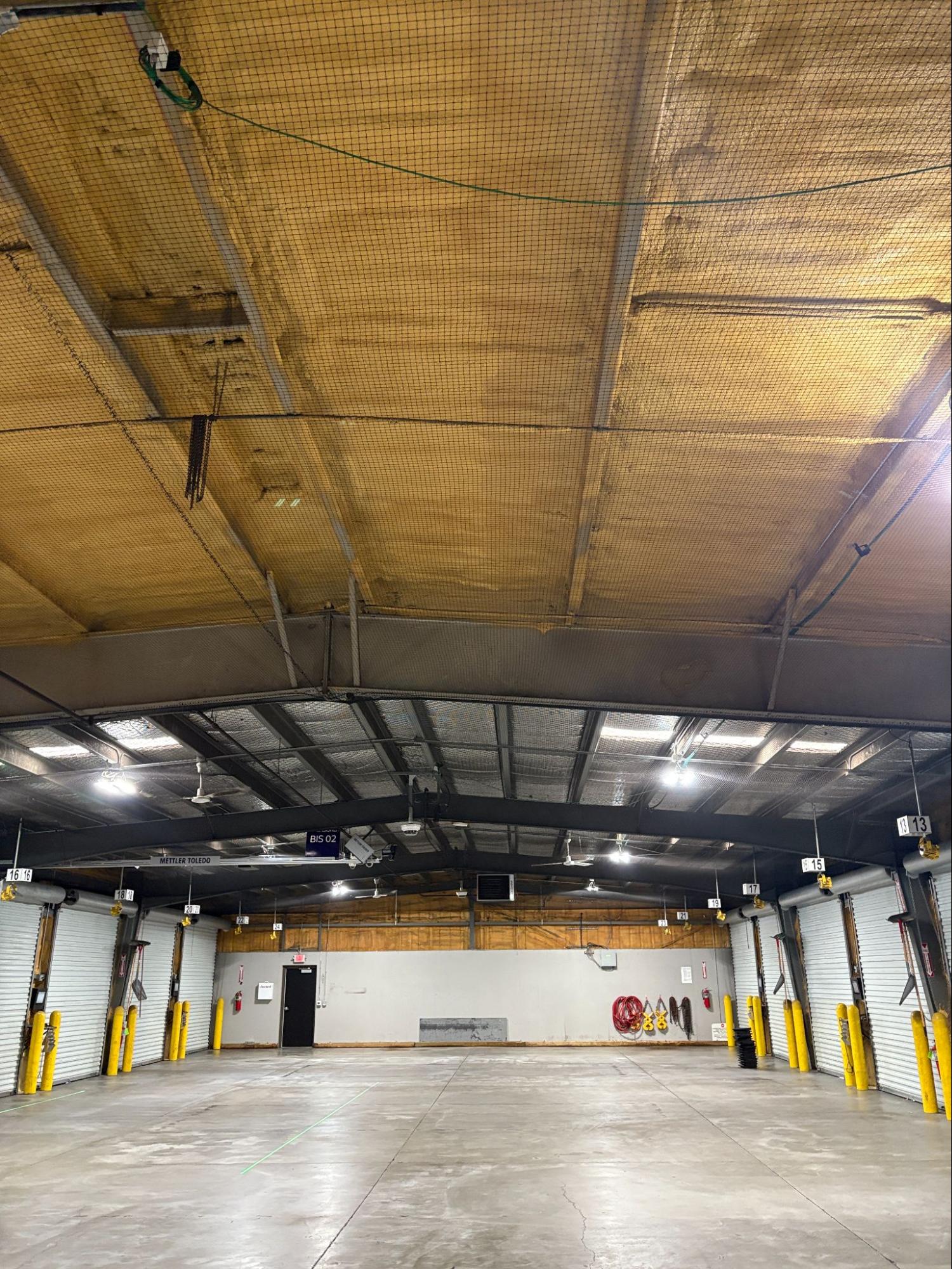
Netting seals access to rafters, gaps, vents, and large spans, providing a secure barrier. It limits the number of nesting spots that support flock growth. Crows lose interest when they cannot reach deep roof pockets. Business owners eliminate long-term waste and noise with stable coverage. This tool handles high flock pressure found in busy zones. It also works well during seasonal shifts that increase activity. Netting provides the site with a long-term barrier that reduces stress.
Spikes Reduce Control Resistance
Spikes break up flat surfaces used for resting and watching. Crows need these spots to track food and group cues. Removing them weakens their ability to control movement across the property. Spikes stop early scouting before flocks establish new habits. They fit well on signs, beams, rails, and open ledges. They also work alongside netting to block
inner and outer points. This pairing removes the structure crows need for daily planning.

Improving Sites Reduces Crow Activity
Strong site habits support long-term control across commercial spaces. Daily upkeep reduces food cues and landing spots. Staff awareness helps spot trends before they spread. These actions protect buildings throughout each season.
Waste Control Reduces Crow Visits
Unsealed bins and loose bags draw crows fast. They return once a site provides steady scraps. They then bring more birds as the reward grows. Staff must seal bags, close bins, and clean up spills promptly. Waste access shapes daily crow movement across the property. More food leads to larger flocks over time. Proper waste handling significantly reduces these patterns.
Structure Design Shapes Crow Presence
Wide beams and angled ledges give crows easy rest. Roof gaps offer shade, warmth, and wind cover. These features support extended stays and strong flock presence. Owners must block these points before nests appear. Structural changes shift crow behavior across the site. A more controlled layout reduces common landing points. These adjustments lower the chance of long-term roost activity.
Staff Awareness Strengthens Control
Trained staff react fast to crow patterns and cues. They notice droppings, scraps, or signs of nesting early. Their reports help owners adjust plans before issues grow. They also help identify areas that need stronger oversight. Staff feedback guides strategies during periods of high activity. Their awareness reduces crow access across the entire property. This teamwork strengthens the long-term plan.
Why Expert Support Strengthens Crow Management
Large business sites face complex crowd behavior and layout risks. Professional teams bring sharp insight into flock patterns. Their plans help block access and shape long-term behavior changes. Their monitoring supports ongoing protection across the site.
Experts Read Critical Crow Behavior
Crows adjust their movements in response to temperature, noise, and human activity. Experts study these signals with trained observation. Their reading helps them spot patterns that others miss. They detect routes used during feeding and roosting. They also inspect gaps that attract early nesting behavior. Their approach supports more innovative strategic planning. This insight leads to stronger outcomes for complex properties.
Tailored Plans Improve Control Results
Every site has unique pressure from food, shade, and gaps. Experts review loading bays, roof edges, and waste areas to ensure they are safe and compliant. They pick the correct method based on flock size and habits. They design plans that respond to real daily patterns. This method creates a structure that reduces crow pressure. Their insight supports long-term control across varied environments. This complete approach fits the exact demands of the property.
Monitoring Maintains Long-Term Control
Business sites change with new equipment and work patterns. These changes shift crow behavior across the property. Experts track these shifts and adjust strategies as needed. They review activity patterns and identify areas of rising pressure. Their updates help maintain intense pressure against new habits. This effort reduces long-term costs tied to cleanup or damage. Monitoring keeps the site stable through seasonal changes.
Advance Your Site Plan With Crow Control
Crow pressure grows when open spaces provide them with food, warmth, and easy access, so strong planning is essential right now. Smart bird management shifts their movements away from key areas, supporting a cleaner, safer work environment. These strategies help your team stay focused on operations rather than on daily cleanup or risk control. A clear plan guides your property toward reduced stress, better protection, and steady confidence in your site’s future.
Strengthen your strategy with expert-backed resources on the Elite Bird Management blog and stay informed on what truly works.