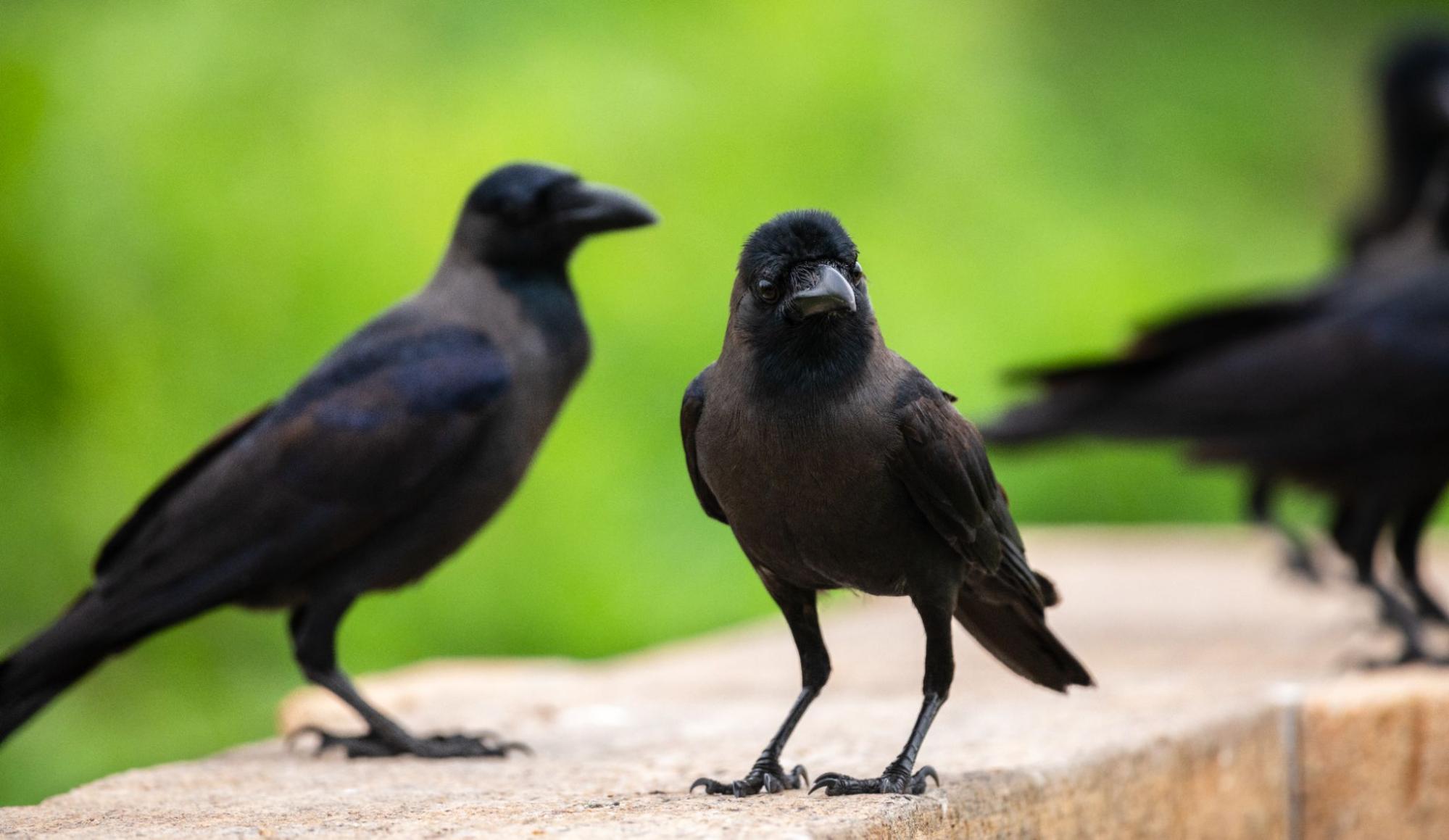

What is Bird Trapping?
Bird activity around commercial properties can shift from a minor nuisance to a costly disruption. Droppings, nesting debris, and noise quickly affect safety, cleanliness, and daily operations. Many business owners search for practical ways to manage birds without legal trouble or public concern. Bird trapping offers a controlled approach that aligns with safety standards and humane practices. A clear understanding of this method helps businesses protect property while maintaining a professional image.
What Bird Trapping Means for Business
Bird trapping is the controlled capture of nuisance birds using humane, regulated methods. This practice focuses on managing bird presence without causing harm or violating wildlife laws. Many businesses use trapping as part of a broader bird control strategy that includes prevention. Understanding how trapping works helps owners make informed and compliant decisions.
Bird Trapping Definition and Scope
Bird trapping means capturing birds using approved devices designed to prevent injury and stress. This method differs from general pest control because many bird species are protected by law. Businesses often deal with pigeons, sparrows, and starlings that adapt easily to urban environments. This behavior makes these birds difficult to remove without structured techniques. Professionals evaluate each situation before selecting the most suitable trapping method. This approach supports compliance while effectively addressing operational concerns.
Why Businesses Manage Bird Presence
Bird presence creates operational challenges that extend beyond simple inconvenience. Droppings can damage surfaces and increase slip hazards for employees and customers. Additionally, birds may carry pathogens that raise health concerns in regulated environments. Noise and nesting activity can disrupt customer experience and reduce comfort. This impact can affect brand perception and customer retention over time. Addressing bird issues helps maintain a clean, safe, and reliable business setting.
Common Bird Trapping Methods
Bird trapping methods are practical techniques for safely and efficiently capturing birds. These methods work best when businesses apply them alongside preventive measures. Each technique serves a specific purpose, depending on the environment and the bird’s behavior. Understanding these options helps businesses select the most effective solution.
Live Bird Trapping Methods
Live trapping captures birds without harm using enclosed traps with bait or entry funnels. This method allows birds to enter naturally while preventing them from escaping once inside. Businesses often use live traps in areas where relocation is permitted under legal guidelines. This process requires regular monitoring to avoid stress or prolonged confinement. Professionals handle captured birds in accordance with local wildlife regulations. This approach supports humane treatment while resolving bird-related issues.
Funnel and Decoy Trap Systems
Funnel traps guide birds through narrow openings that limit their ability to exit once inside. Decoy systems use live birds to attract others through natural flocking behavior. This method works well in areas with high bird populations and repeated activity. Maintenance is key, as traps must remain clean and functional. This system increases capture rates when managed correctly by trained providers. Businesses often rely on experts to handle setup and ongoing care.
Exclusion Support for Trapping
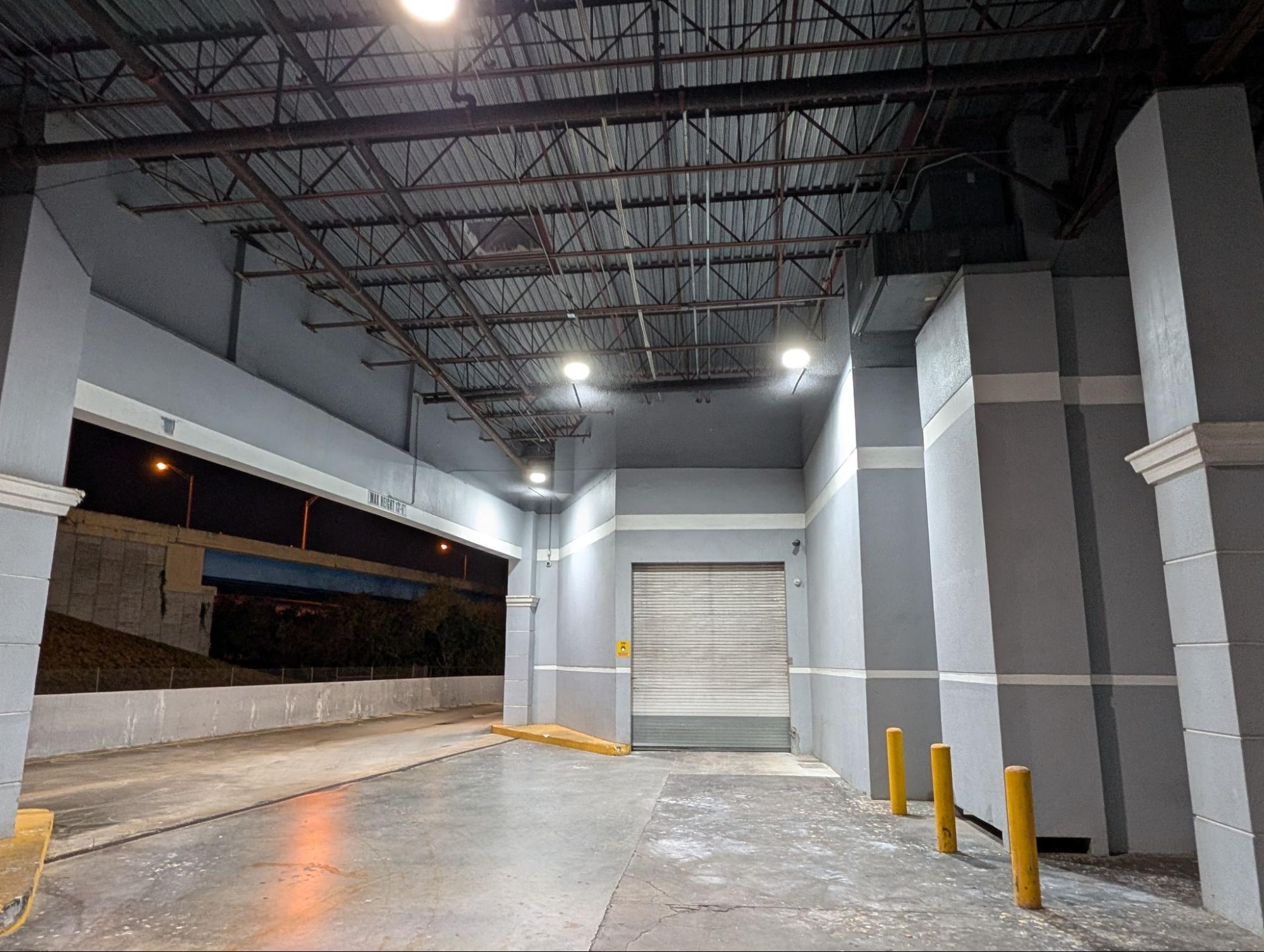
Exclusion methods limit access to areas where birds prefer to land or nest. Nets, spikes, and barriers reduce available shelter and encourage birds to move elsewhere. This strategy supports trapping by guiding birds toward controlled capture points. This combination improves long-term effectiveness and reduces the risk of repeated infestations. Businesses benefit from fewer disruptions when prevention supports trapping efforts. This method creates a balanced and sustainable control plan.
Bird Behavior and Trapping Success Factors
Bird trapping success depends on understanding how birds move, feed, and settle within commercial spaces. Many trapping efforts fail because they ignore natural behavior patterns that influence bird activity. Businesses that consider these patterns often achieve faster and more consistent results. This insight helps create more precise and efficient bird control strategies.
Feeding Patterns and Trap Timing
Bird feeding habits influence when and where trapping becomes most effective. Many species follow predictable feeding schedules tied to daylight and human activity. This pattern allows professionals to place traps where birds already forage. Timing also affects success, as poorly timed trapping reduces capture rates. This factor explains why some traps remain empty despite the presence of visible birds. Businesses that align trapping with feeding behavior often see improved outcomes.
Nesting Cycles and Seasonal Behavior
Bird nesting cycles affect how birds respond to traps and control measures. During nesting periods, birds become more territorial and less likely to enter traps. This behavior can reduce the effectiveness of trapping if timing is not taken into account. Seasonal changes also influence migration and population size in certain areas. This variation requires adjustments in trapping strategies throughout the year. Businesses that account for these cycles maintain more stable control results.
Movement Patterns Around Structures
Birds follow consistent movement paths based on building layout and surroundings. They often travel between feeding, roosting, and nesting sites using familiar routes. This behavior allows professionals to position traps along these pathways. This placement increases the likelihood of capture without excessive use of equipment. Environmental factors, such as nearby trees and water sources, also affect movement. Businesses that understand these patterns gain better control with fewer disruptions.
Legal and Ethical Bird Trapping Rules
Bird trapping must follow strict legal and ethical guidelines to protect wildlife and businesses. Many bird species are protected under federal and state laws. These regulations define how trapping can occur and which methods are acceptable. Understanding these rules helps businesses avoid fines and maintain credibility.
Bird Control Laws and Compliance
Bird control laws regulate how businesses handle protected species and the trapping methods they use. Many regions require permits before trapping activities begin. This requirement helps protect migratory birds and prevent misuse of control methods. Violations can lead to fines, legal action, and operational disruptions. Working with licensed professionals helps maintain compliance with current regulations. This practice provides documentation and accountability throughout the process.
Humane Bird Trapping Standards
Humane trapping focuses on minimizing harm while effectively capturing birds. Traps must provide adequate space, airflow, and protection from extreme conditions. This requirement reduces stress and supports ethical treatment during capture. Regular monitoring ensures birds do not remain trapped for extended periods. Businesses that follow humane standards build trust with customers and stakeholders. This commitment reflects responsibility and awareness of animal welfare.
Brand Impact of Bird Control Practices
Bird control practices influence how customers perceive a business and its values. Poor handling of wildlife can lead to negative feedback and public concern. Humane trapping reflects a thoughtful and responsible approach to problem-solving. This perception strengthens customer confidence and supports long-term relationships. Businesses that manage bird issues effectively maintain a cleaner, more professional image. This approach aligns operational needs with public expectations.
Industries Affected by Bird Problems
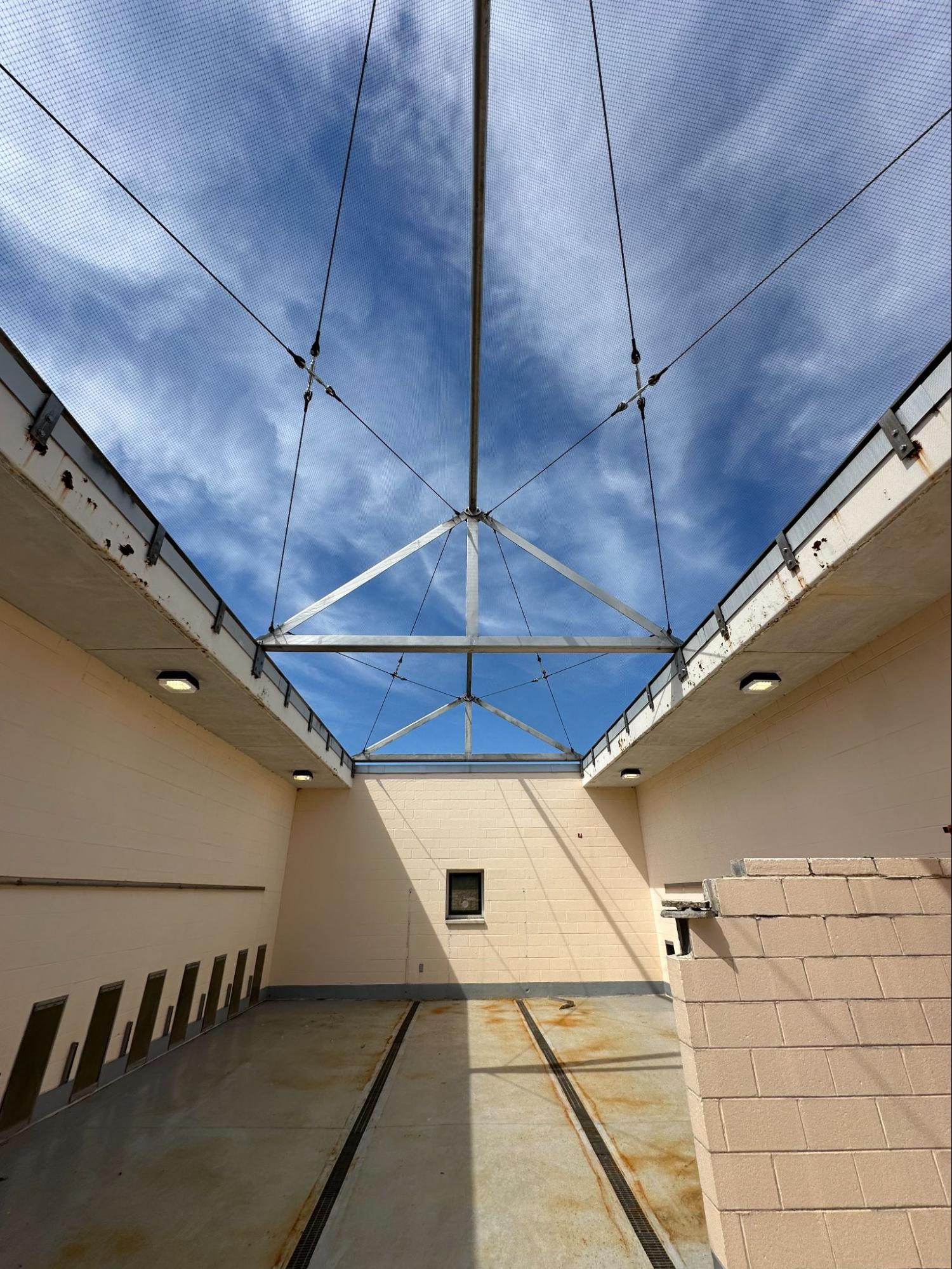
Different industries face bird-related challenges based on their environment and operations. Birds often seek food, shelter, and quiet spaces within commercial properties. These conditions make certain industries more vulnerable to recurring issues. Understanding these patterns helps businesses apply targeted solutions.
Retail and Commercial Properties
Retail spaces often attract birds near entrances, signage, and open structures. Droppings can affect cleanliness and create an uninviting environment for customers. This situation may reduce foot traffic and affect the overall customer experience. Noise and bird activity can also distract shoppers and staff. Regular bird trapping helps maintain a clean and organized appearance. This effort supports a more comfortable and professional setting.
Warehouses and Storage Facilities
Warehouses provide shelter for birds to nest and find protection. Once inside, birds can damage goods and contaminate stored inventory. This problem increases financial losses and disrupts workflow. Workers may also face safety risks from slippery surfaces left by droppings. Bird trapping helps reduce these hazards and protect valuable assets. This solution supports smoother operations and safer working conditions.
Food and Hospitality Businesses
Food-related businesses must meet strict hygiene and safety standards at all times. Birds can introduce contaminants that affect compliance and inspections. This risk can lead to penalties or temporary closures if left unresolved. Trapping provides a controlled way to manage bird presence in sensitive areas. Clean environments help maintain customer trust and regulatory approval. This approach protects both reputation and revenue streams.
Building Design and Bird Trapping Needs
Building design directly influences how birds interact with commercial properties. Certain features attract birds and create ideal nesting or roosting conditions. These structural factors often determine the amount of trapping required. Understanding the impact of design helps businesses reduce their reliance on reactive control methods.
Structural Features That Attract Birds
Birds prefer ledges, beams, and open vents that provide shelter and stability. These features create safe spaces for resting and nesting. Flat surfaces and overhangs also encourage roosting behavior. This design makes buildings more appealing to urban bird species. Poorly sealed entry points can allow birds to move indoors. Businesses that identify these features can address problems at the source.
How Design Affects Trapping Efficiency
Building layout can either support or limit the effectiveness of trapping. Open areas may require larger or multiple traps to manage bird movement. Confined spaces can increase capture rates when properly placed. This factor influences how professionals plan trapping strategies. Accessibility also affects how easily traps can be monitored and maintained. Businesses that consider layout achieve better results with fewer resources.
Reducing Bird Attraction Through Design Changes
Simple design adjustments can reduce the need for frequent trapping. Installing angled surfaces discourages birds from landing or nesting. Sealing gaps and modifying vents limits entry points. This approach makes the environment less inviting for birds. Landscaping changes can also reduce nearby sources of food and shelter. Businesses that invest in these changes create long-term control benefits.
Optimize Bird Trapping for Your Business
Bird issues rarely remain contained, and delays often increase operational pressure and lead to hidden costs. A well-planned bird-trapping strategy provides structure, compliance, and consistent control on your property. This approach works best when you combine expert insight with regular monitoring and practical adjustments. Businesses that commit to smarter bird management create cleaner environments and build stronger customer confidence.
Get practical insights that go beyond the basics. Visit the Elite Bird Management blog and explore smarter ways to manage bird activity in your business.