Why Commercial Property Owners Should Invest in Bird Control Experts
Commercial property owners face constant pressure to protect buildings, tenants, and their brand reputation simultaneously. Bird activity often appears harmless at first, yet it quickly creates visible damage and operational strain. Droppings, nesting, and noise affect how a property functions and how others perceive it. These issues rarely resolve without targeted intervention and usually worsen when left unmanaged. Professional bird control services address the root causes rather than reacting to surface-level symptoms.
What Bird Control Experts Manage on Commercial Sites
Professional bird control experts assess, manage, and prevent bird-related issues across commercial properties using structured, compliant methods. They begin by identifying bird species, activity patterns, and pressure points specific to each site. This analysis informs tailored solutions that address roosting, nesting, and feeding behaviors without harming wildlife. Experts also install and maintain deterrent systems designed to integrate with building architecture and daily operations. They document conditions and corrective actions to support liability management and regulatory compliance. Over time, their work reduces repeat damage, improves safety conditions, and stabilizes maintenance demands across the property.
Why Commercial Properties Need Professional Bird Management
Commercial properties operate within a constant balance of safety, performance, and perception. Bird-related issues disrupt that balance in ways that extend beyond visible mess or noise. These pressures affect finances, compliance, operations, and the long-term condition of assets simultaneously. Understanding these interconnected impacts explains why strategic bird management belongs within broader property planning decisions.
Bird Activity Creates Ongoing Property Risks
Bird activity refers to repeated roosting, nesting, and feeding behaviors that concentrate on commercial structures. These patterns affect roofs, signage, walkways, and mechanical systems, disrupting normal operations. Many owners underestimate how quickly these risks compound after birds establish territory. Professional intervention becomes necessary when routine maintenance no longer keeps conditions under control.
Birds Cause Progressive Structural Damage
Bird droppings contain acidic compounds that corrode metal, concrete, and roofing materials over time. This damage often starts subtly and spreads across surfaces before it becomes obvious. Nesting materials block drains and gutters, which increases the risk of water intrusion. Moisture exposure weakens building components and accelerates deterioration. Repairs tied to bird damage often exceed routine maintenance costs. Preventive management interrupts these patterns before structural wear escalates.
Bird Presence Increases Maintenance Demands
Frequent cleaning becomes unavoidable when birds return to the same ledges and entry points daily. Maintenance teams spend time removing waste instead of completing scheduled tasks. This cycle strains labor resources and inflates operating budgets. Surface cleaning alone does not discourage birds from returning. Costs continue rising without meaningful improvement. Targeted deterrence reduces repeat contamination and stabilizes maintenance planning.
Financial Exposure Grows Without Prevention
Unmanaged bird problems quietly increase operating expenses and long-term costs. Owners absorb these expenses through cleaning contracts, repairs, and tenant accommodations. Over time, this financial drain affects asset performance and return expectations. Preventive strategies shift spending from reaction to control.
Repeated Repairs Affect Asset Value
Visible staining and damaged materials signal deferred care to investors and tenants. Appraisers may factor exterior deterioration into valuation assessments. This effect influences refinancing, leasing, and resale discussions. Repair cycles shorten when birds remain active on-site. Each repair becomes more costly as damage compounds. Preventive management protects surfaces before value erosion becomes measurable.
Budget Predictability Improves With Prevention
Emergency cleanups create unpredictable expenses that complicate budgeting. Planned bird management introduces consistency into cost forecasting. This structure helps property managers allocate resources more accurately. Preventive systems reduce the frequency of urgent interventions. Budget volatility declines as conditions stabilize—financial planning benefits from fewer surprises.
Capital Planning Suffers From Recurrent Damage
Capital planning depends on accurate forecasts for repairs and replacements. Recurring bird damage distorts projections by accelerating roof and facade wear. When assets degrade faster than expected, reserve funds shrink unexpectedly. This disruption complicates multi-year approval cycles. Preventive management reduces unplanned deterioration. Capital timelines remain more reliable as a result.
Health and Safety Obligations Affect Liability
Commercial properties must provide safe environments for tenants, staff, and visitors. Bird activity introduces health and safety hazards that increase liability exposure. These risks extend beyond appearance and affect compliance standards. Proactive control reduces exposure before incidents occur.
Droppings Create Health Concerns
Bird waste may carry bacteria and fungal spores that affect air quality. When droppings dry, particles become airborne through wind or foot traffic. Rooftop nesting sites may contaminate ventilation systems. These conditions raise concerns for office and retail environments. Owners remain responsible for known hazards. Preventive action limits contamination at the source.
Slip Hazards Increase Injury Risk
Smooth surfaces become slippery when coated with droppings, especially during wet conditions. Entrances, stairways, and loading zones present higher-risk areas. Injuries in these areas often result in insurance claims. Documentation may show unresolved hazards over time. Liability exposure increases with inaction. Prevention reduces accumulation in high-traffic zones.
Documentation Gaps Increase Legal Exposure
Liability disputes often hinge on maintenance records and response timelines. Repeated bird activity without documented correction raises legal concerns. Inspectors and attorneys look for evidence of reasonable action. Informal awareness without mitigation weakens defense positions. Preventive programs provide clear documentation. Legal standing improves when oversight appears structured.
Specialized Knowledge Produces Better Outcomes
Bird behavior follows patterns that vary by species and environment. Generic solutions often fail because they ignore these distinctions. Professional planning accounts for how birds interact with specific structures. This expertise leads to durable results.
Species Behavior Shapes Control Strategies
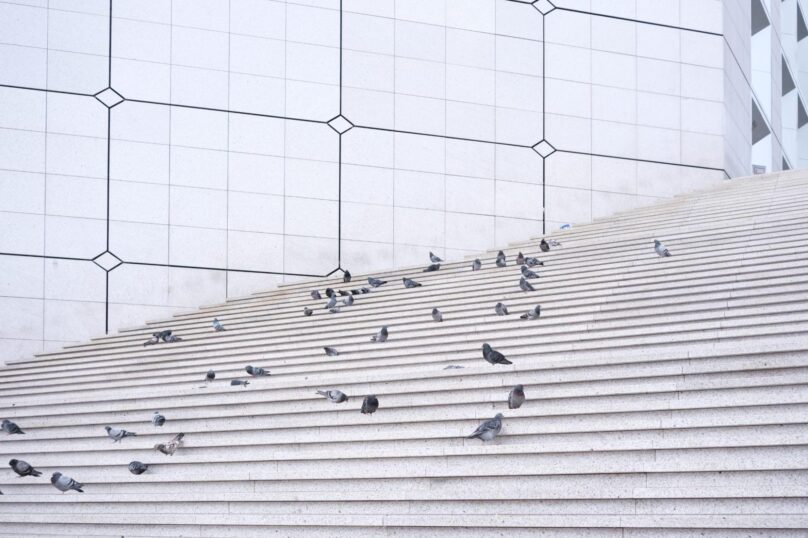
Different bird species respond differently to deterrents. Pigeons favor flat ledges, while gulls target rooftops near food sources. Seasonal nesting cycles also influence activity levels. Misidentification leads to ineffective solutions. Behavioral assessment guides proper strategy. Outcomes improve with informed planning.
Site Conditions Require Custom Solutions
Each commercial property presents unique structural and environmental factors. Roof design, proximity to food sources, and building height affect bird behavior. Site evaluations identify pressure points accurately. Solutions align with the building features rather than work against them. Birds avoid treated areas rather than relocating to nearby areas. Custom planning supports consistency.
Installation Quality Determines Long-Term Success
Even the right deterrent fails if installed incorrectly. Gaps or weak anchoring allow birds to adapt quickly. Poor installation may also damage surfaces. Precision prevents re-entry points from forming. Execution quality matters as much as design. Long-term success depends on both.
DIY and General Maintenance Fall Short
Improvised deterrents often appear effective briefly. Birds adapt quickly to static or poorly installed measures. These attempts usually shift problems rather than resolve them. Professional planning becomes necessary when basic methods fail.
Temporary Deterrents Lose Effectiveness
Visual scare devices lose their impact once birds recognize there is no threat. Improperly installed spikes leave usable gaps. Netting without precision creates new nesting areas. These failures waste time and money. Replacements add frustration for managers. Permanent systems address root causes.
Staff Safety and Liability Risks Increase
Installing deterrents often requires elevated work. Maintenance staff may lack proper training or equipment. Accidents increase workers’ compensation exposure. Improper work can damage building materials. Liability shifts to ownership when incidents occur. Professional handling reduces these risks.
Operational Stability Depends on Prevention
Stable operations rely on predictable maintenance and minimal disruption. Bird activity undermines this stability by causing recurring complaints and requiring urgent cleanups. Preventive planning restores consistency. Operations benefit across departments.
Tenant Satisfaction Improves With Clean Conditions
Noise, odors, and visible messes quickly affect the tenant experience. Complaints increase when problems persist. Repeated service requests strain management teams. Clean environments support productivity and comfort. Preventive management reduces friction. Tenant relationships strengthen over time.
Maintenance Teams Regain Efficiency
Preventive strategies reduce emergency work orders. Teams focus on scheduled responsibilities again. Response times improve across the property. Budgeting becomes more accurate. Guidance supports system upkeep. Daily operations stabilize.
Emergency Response Frequency Declines
Reactive maintenance increases stress across operations teams. Bird-related emergencies interrupt planned work. Over time, this disrupts service metrics. Prevention reduces unscheduled incidents. Teams regain control of priorities. Predictability improves steadily.
Brand Image Depends on Exterior Presentation
Exterior appearance shapes perception before anyone enters a building. Bird-related damage undermines professionalism and care. This impression affects leasing and customer confidence. Consistent presentation protects brand value.
Clean Exteriors Support Brand Trust
Stained facades suggest neglect to visitors. Businesses associate cleanliness with reliability. Poor presentation raises management concerns. Preventive control maintains clean surfaces. Properties project attention to detail. Trust builds through consistency.
Market Competitiveness Relies on Consistency
Tenants compare properties based on visible conditions. Well-maintained buildings stand out in competitive markets. Clean environments signal proactive ownership. Leasing decisions reflect these signals. Consistency supports positioning. Appeal remains strong across cycles.
Responsible Practices Align With Modern Standards
Modern property management balances effectiveness with responsibility. Ethical and environmentally aware practices matter to stakeholders. Structured approaches follow regulations closely. This balance protects reputation and operations.
Humane Methods Meet Regulatory Expectations
Non-lethal deterrents redirect birds without harm. Regulations protect certain species. Improper removal creates penalties and scrutiny. Compliance requires specialized knowledge. Responsible methods protect public image. Oversight remains defensible.
Sustainability Goals Extend to Daily Operations
Reduced chemical use supports sustainability efforts. Fewer cleanups limit waste. Properties demonstrate environmental care. Reporting benefits from consistent practices. Long-term impact remains lower. Responsibility becomes visible.
Delay Increases Cost and Complexity
Bird issues grow more difficult to manage over time. Small nesting areas expand steadily. Damage spreads across surfaces—prevention limits escalation.
Compounding Damage Raises Repair Costs
Initial staining leads to material breakdown. Blocked drainage causes water issues. Cleaning increases without resolution. Repairs become extensive—prevention limits exposure. Costs remain manageable.
Management Burden Intensifies Over Time
Ongoing issues demand repeated attention. Documentation reveals unresolved hazards. Liability exposure increases gradually. Preventive oversight demonstrates accountability. Teams refocus on priorities. Stress levels decline.
Reduce Property Risk Through Bird Control Experts
Reducing risk across commercial properties requires decisions that address problems before they affect people, performance, and profitability. Persistent bird activity creates avoidable exposure that simultaneously affects liability, maintenance costs, and operational reliability. Engaging bird control experts signals disciplined oversight and a clear commitment to protecting assets at every level. Properties that manage this risk proactively operate with greater confidence, fewer disruptions, and stronger long-term positioning.
Better property outcomes start with better information. Discover expert perspectives on the Elite Bird Management blog.