

When Are Birds Most Active?
Bird activity follows predictable daily patterns that directly affect outdoor business environments. Owners often notice birds at busy moments but miss the timing behind those patterns. These activity windows influence noise levels, cleanliness, and customer perception in visible ways. Understanding when birds are most active helps businesses plan operations with fewer disruptions. Clear awareness of bird timing supports better decisions across scheduling, maintenance, and customer-facing services.
Understanding Bird Activity Cycles
Birds follow internal biological clocks that govern their daily and seasonal behavior. These cycles align closely with daylight, temperature, and food availability across different environments. Business owners can predict bird movement by understanding these natural rhythms. This knowledge supports smoother operations and reduces unexpected environmental challenges.
Circadian Rhythms in Birds
Birds rely on circadian rhythms, which are internal timekeeping systems tied to sunlight exposure. These rhythms control when birds feed, rest, and interact throughout the day. Hormones respond to changes in light, signaling when activity should begin or slow down. During breeding periods, this pattern intensifies due to increased energy demands. Different species adjust their timing depending on habitat and available resources. This variation explains why bird activity differs even within the same commercial area.
Environmental Factors Affect Activity
Environmental conditions directly influence when birds remain active or inactive during the day. Temperature changes often shift activity toward cooler or milder periods. Urban lighting can extend activity beyond natural daylight hours. Noise from traffic or equipment may disrupt feeding and communication patterns. Food availability can also extend or shorten active periods depending on supply. This environmental impact requires businesses to consistently monitor local conditions.
Peak Bird Activity Times Daily
Birds show clear activity peaks at specific times of day, driven by survival needs. These periods often align with feeding, communication, and movement behaviors. Business owners can use these predictable windows to plan operations effectively. This awareness reduces disruptions and improves outdoor management.
Morning Bird Activity Patterns
Birds reach their peak activity around sunrise to feed and communicate. This period includes the dawn chorus, where birds vocalize to establish territory. Cooler air supports longer movement and increased visibility across open spaces. Feeding begins immediately after overnight fasting, which drives higher activity levels. Customers may notice increased noise and bird presence during this time. This pattern makes mornings a critical period for outdoor business planning.
Midday Bird Activity Slowdown
Bird activity typically decreases during midday due to rising temperatures and energy conservation. Birds seek shaded areas and reduce movement to avoid heat stress. Feeding becomes less frequent, especially in warmer climates. Some species remain active if food sources remain easily accessible. Urban birds may adapt slightly but still show reduced intensity. This slowdown provides a quieter window for maintenance and operational tasks.
Evening Bird Activity Behavior
Bird activity increases again before sunset as birds prepare for nighttime rest. Feeding resumes as birds gather energy before roosting. Social interactions become more visible, especially in flocking species. Movement increases as birds search for safe resting locations. This period often brings noticeable changes in noise and visibility. Evening shifts require businesses to anticipate a renewed presence of birds.
Seasonal Bird Activity Changes
Bird activity varies across seasons due to changes in weather, daylight, and biological needs. These shifts affect how often birds appear in business environments. Understanding seasonal trends helps owners plan long-term operations more effectively. This awareness reduces unexpected changes in outdoor conditions.
Spring Breeding Activity
Spring brings increased bird activity driven by mating and nesting behavior. Birds vocalize more often to attract partners and defend territory. Movement increases as they gather nesting materials and establish locations. Feeding activity also increases to meet reproductive needs. Customers often notice more birds and their sounds during this period. This seasonal pattern requires careful scheduling of outdoor work.
Summer Heat Activity Adjustments
Birds adjust their activity during summer to avoid high temperatures and conserve energy. Most movement occurs during cooler morning and evening periods. Midday is often associated with reduced activity due to heat exposure. Access to water becomes more important during this season. Some species shift feeding times to match temperature changes. This adjustment creates predictable windows for business operations.
Fall Migration Activity Trends
Fall increases bird movement as they prepare for and travel during migration. Birds feed more frequently to build energy reserves for long distances. Flocking behavior becomes more visible as groups move together. Temporary population increases may occur in certain locations. These shifts often bring noticeable changes in noise and activity levels. This migration period requires flexible planning for outdoor businesses.
Winter Low Activity Patterns
Winter reduces bird activity due to cold temperatures and limited food supply. Birds conserve energy by shortening active periods during the day. Feeding occurs in shorter bursts when conditions allow movement. Some species migrate, reducing overall local populations. Others adapt by limiting movement and staying near reliable food sources. This seasonal change often results in quieter outdoor environments.
Why Bird Timing Matters for Business
Timing of bird activity affects operations, customer experience, and environmental responsibility. Businesses that ignore these patterns may face avoidable disruptions and inefficiencies. Understanding timing helps improve planning and resource management. This knowledge supports smoother daily operations and long-term strategy.
Impact on Outdoor Operations
Bird activity visibly influences landscaping, maintenance, and cleaning schedules. High activity periods can increase debris and noise around business spaces. Scheduling work during quieter times improves efficiency and reduces disruption. Pest control efforts also benefit from understanding feeding patterns. Construction noise may interfere with sensitive bird behaviors during peak periods. This operational awareness helps maintain consistency across daily tasks.
Customer Experience Considerations
Bird presence can enhance or disrupt customer experiences depending on timing and environment. Outdoor dining areas may face challenges during high activity periods. Quiet periods offer customers a more controlled, comfortable setting. Some businesses can use bird activity to attract visitors, such as through guided experiences. Seasonal patterns also create opportunities for themed promotions. This awareness allows businesses to shape customer interactions more effectively.
Environmental Compliance Factors
Bird protection laws often restrict activity during nesting and breeding periods. Businesses must avoid disturbing protected species to prevent legal issues. Awareness of timing helps reduce environmental impact and supports responsible practices. Customers increasingly value businesses that respect local ecosystems. Sustainable operations also improve long-term community perception. This compliance awareness strengthens both reputation and operational stability.
Microhabitats Shaping Bird Activity
Microhabitats around commercial spaces directly influence when and where birds gather. These small environmental zones are formed by building design, landscaping, and daily operations. Birds respond quickly to these features because they offer food, shelter, or safety. This localized behavior often overrides broader daily activity patterns.
Hidden Structures That Attract Birds
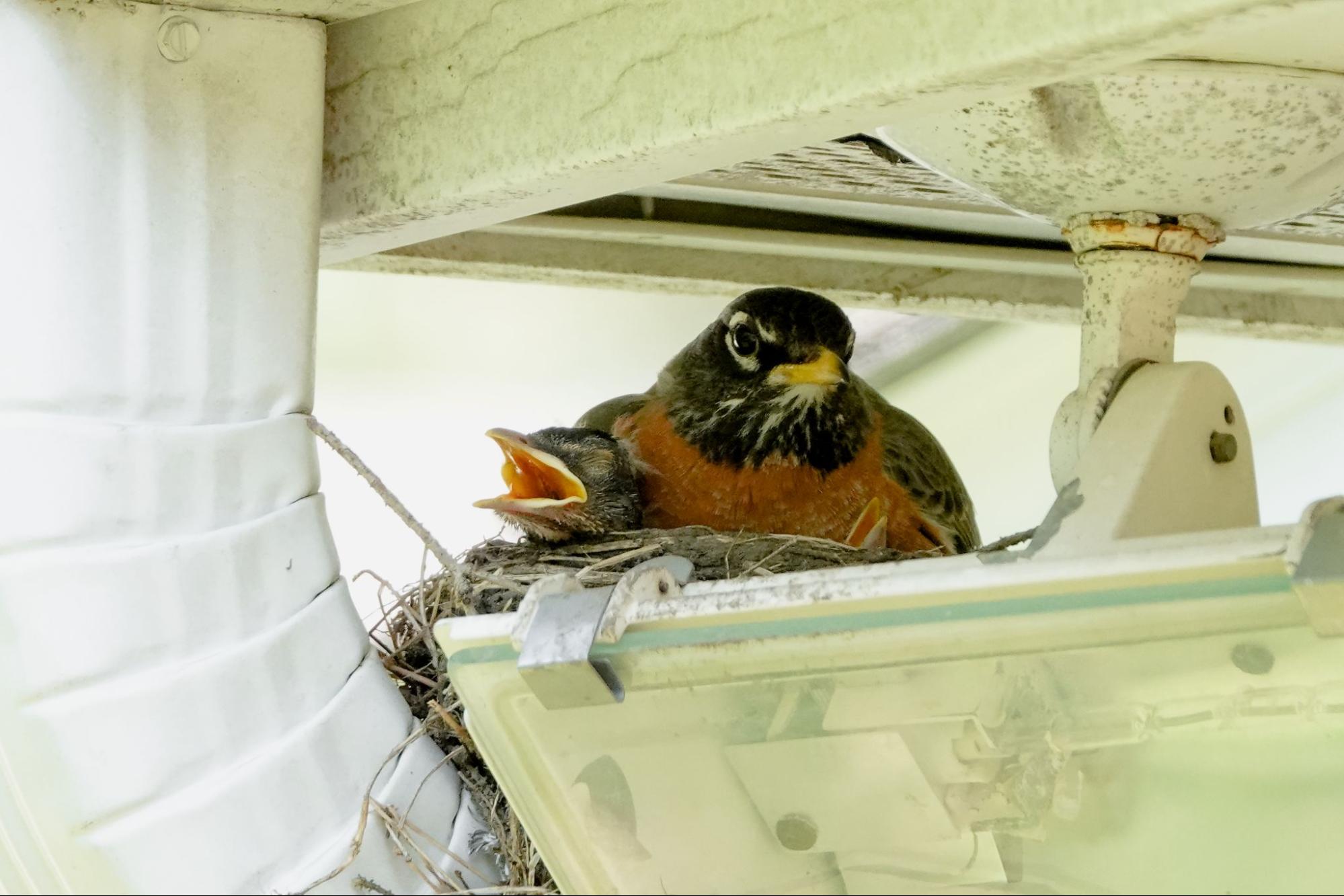
Birds often settle in overlooked structural spaces that provide protection and comfort. Ledges, vents, signage frames, and roof edges offer ideal resting spots throughout the day. These areas retain warmth or shade, which supports activity during different weather conditions. Birds also use these structures to observe their surroundings before feeding. Over time, repeated use increases activity in specific zones. This pattern creates concentrated bird presence that may disrupt certain business areas.
Landscaping That Drives Bird Movement
Landscaping choices strongly influence bird activity around commercial properties. Dense shrubs and trees provide nesting areas and protection from predators. Flowering plants and fruit-bearing species attract birds for feeding throughout the day. Water features such as fountains or drainage zones increase visitation frequency. These elements create predictable movement patterns near entrances or seating areas. This design influence allows businesses to guide bird activity with careful planning.
Waste Zones and Feeding Behavior
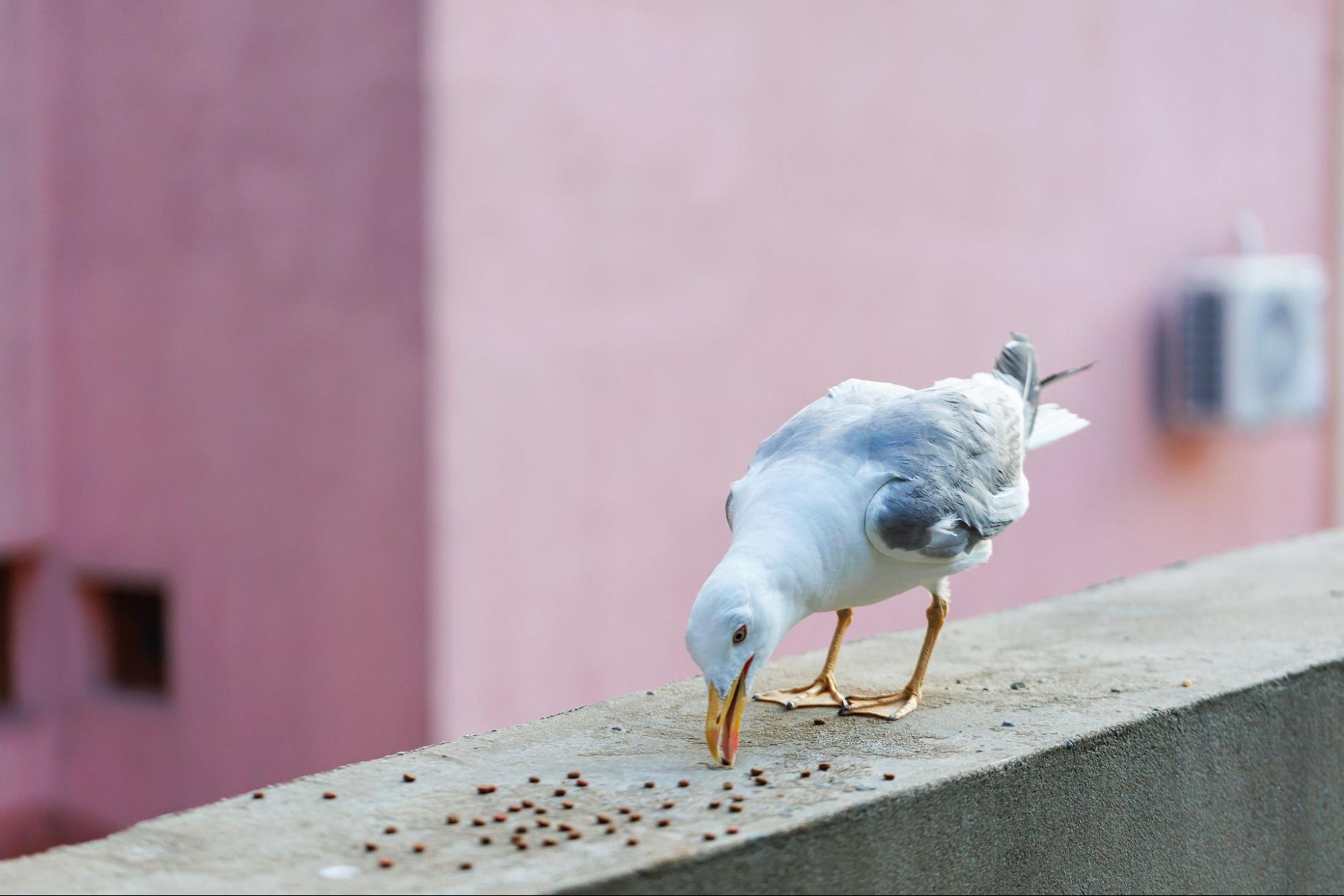
Waste disposal areas often become consistent feeding spots for birds. Food scraps and open containers attract species that adapt well to human environments. Birds learn feeding schedules from the timing of waste collection. This learned behavior increases activity at specific times of day. Poor waste management can lead to larger groups gathering regularly. This concentration creates noise, sanitation concerns, and customer discomfort.
Building Materials and Heat Zones
Different building materials create temperature variations that affect bird behavior. Concrete and metal surfaces retain heat, attracting birds during cooler periods. Shaded materials offer relief during warmer conditions, drawing birds midday. These temperature differences influence where birds rest and move throughout the day. Birds often return to these zones due to consistent thermal conditions. This environmental factor shapes predictable activity near certain structures.
Microhabitats and Daily Timing Shifts
Microhabitats can shift bird activity outside typical peak hours. Birds may remain active longer in areas with reliable food or shelter. These localized conditions override broader environmental patterns, such as temperature or daylight. As a result, businesses may notice activity at unexpected times. Monitoring these patterns helps identify the cause of unusual bird presence. This awareness allows more precise adjustments to operations and space management.
Protect Business Spaces from Bird Activity
Businesses can reduce bird-related issues by combining preventive measures, design, and consistent maintenance. Physical deterrents like netting, spikes, and wire systems discourage birds from landing on ledges and signage. Smart waste management limits food access, which reduces repeat visits and feeding behavior. Adjusting lighting and minimizing reflective surfaces also helps prevent disorientation and unwanted attraction. Staff awareness supports early detection of nesting or increased activity in problem areas. This proactive approach keeps operations running smoothly while maintaining a clean, controlled environment.
Gain a clearer edge on bird behavior and business protection through the Elite Bird Management blog’s trusted resources.



1 Comment
[…] Birds show peak activity from sunrise to around 9:00 AM, making early morning the best time for feeding. daily activity peaks […]