Commercial Bird Control for Parking Structures and Transit Facilities
Parking garages, bus terminals, and rail stations share a few features birds love: sheltered ledges, open sides, steady food scraps, and very little disturbance overhead. Once pigeons settle into the beams, droppings start piling up on cars, walkways, and platforms. Commercial bird control for these structures focuses on keeping birds out of the spots they want most, using exclusion-based methods built for heavy public use.
Why Birds Choose Parking and Transit Structures
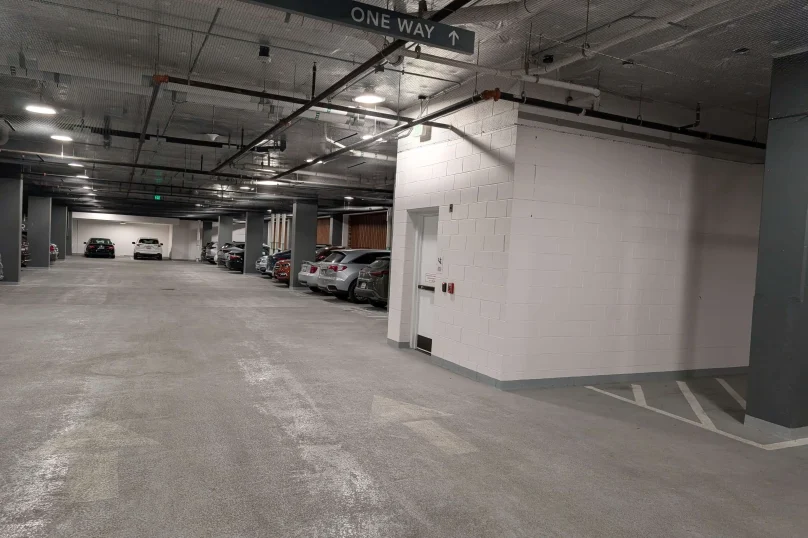
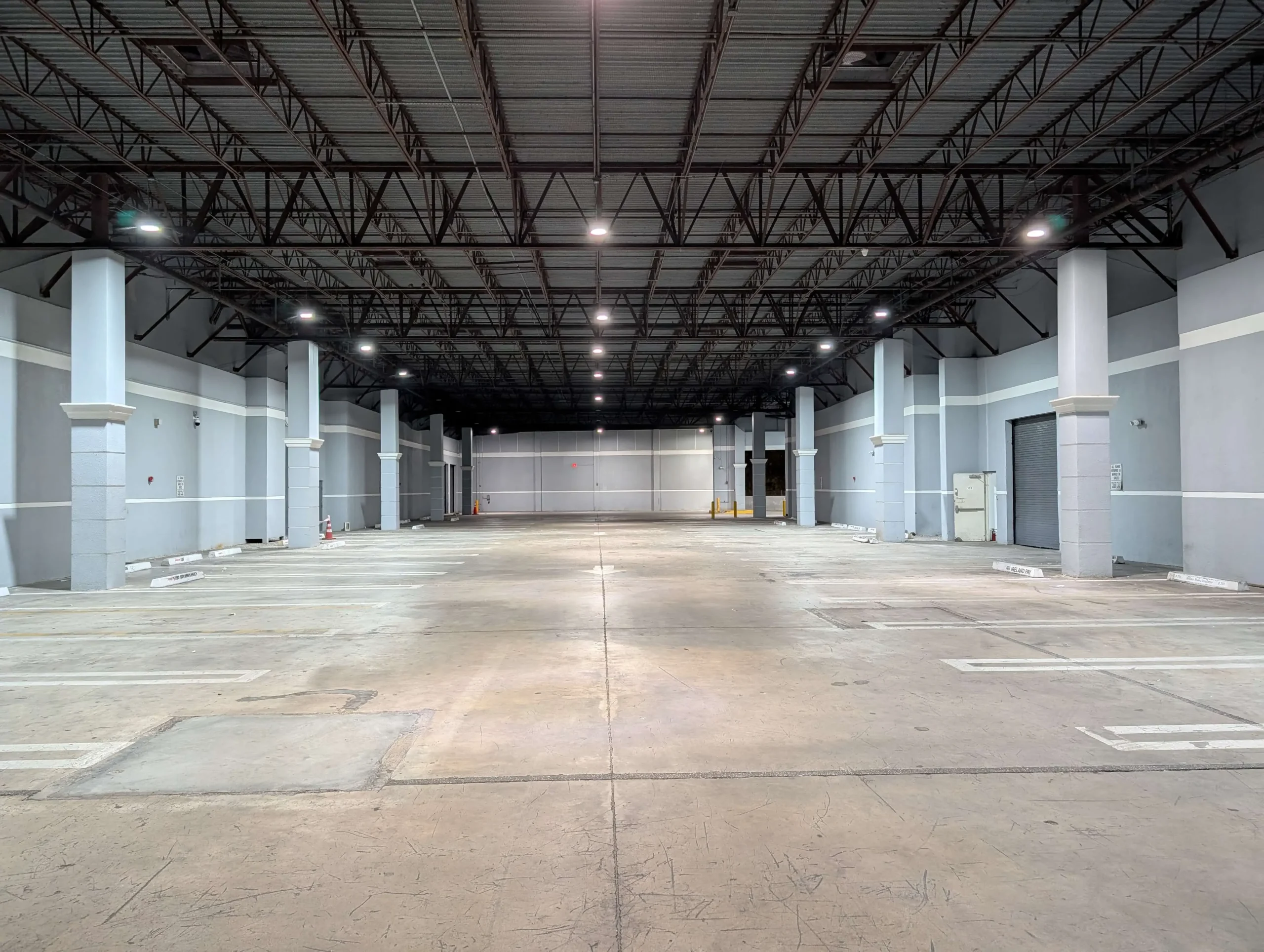
Concrete decks and steel canopies look a lot like the cliffs and ledges where many urban birds naturally roost. These structures also stay open around the clock, so birds come and go freely. Many also sit near restaurants, shops, and plazas that add even more food to the mix.
Shelter and Nesting Sites
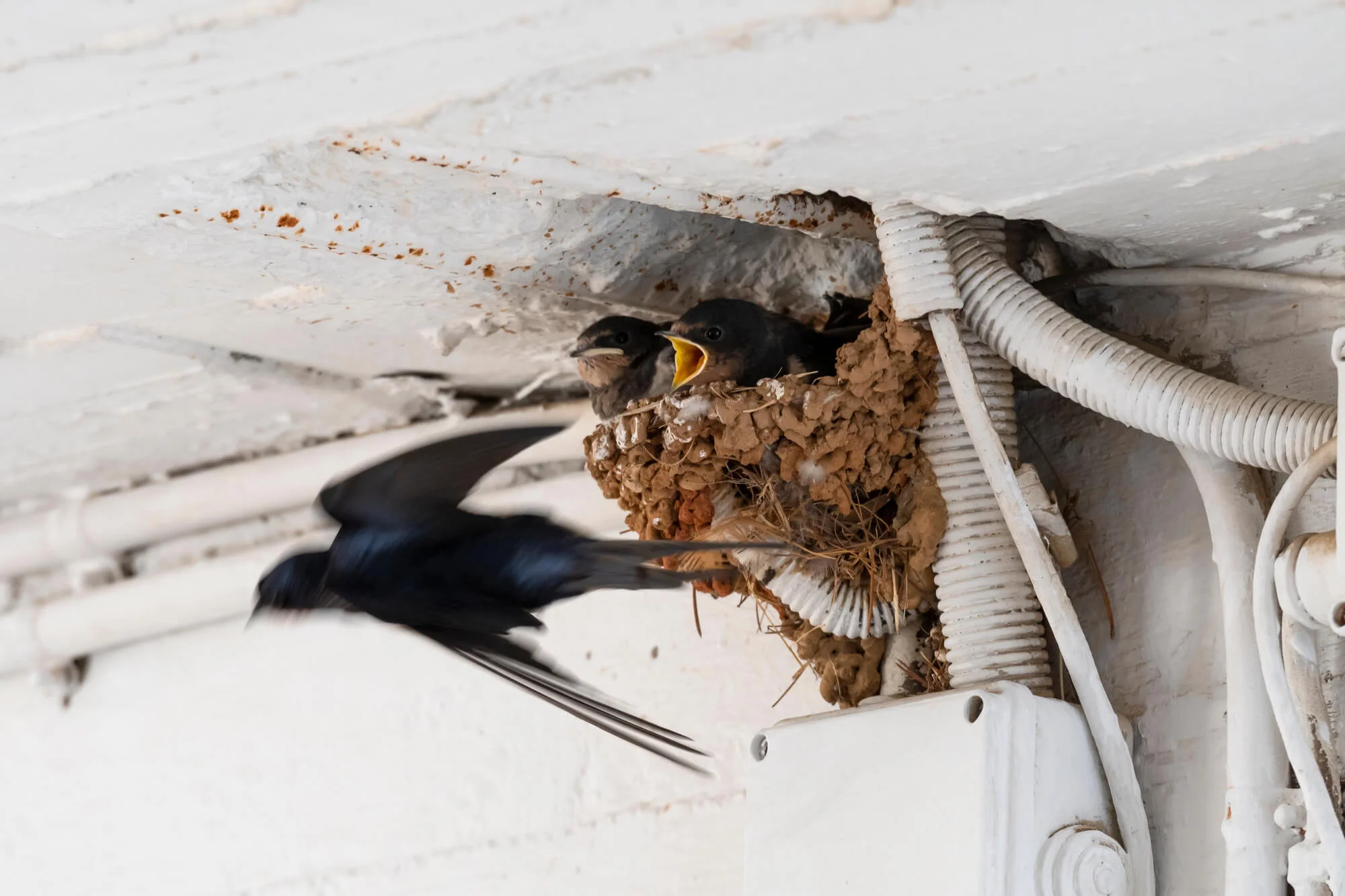
Exposed beams, light fixtures, and pipe runs give birds protected spots out of the wind and rain. Pigeons return to the same roosts night after night, which concentrates droppings in predictable areas. Upper decks near stair towers and elevator cores often see the heaviest use. Sparrows and starlings tuck nests into gaps around ductwork and signage.
Easy Food and Water
Commuters drop crumbs, trash cans overflow, and rainwater collects on flat decks. Even small, steady food sources can support a surprisingly large flock. Bus shelters and station entrances near food vendors tend to attract the most activity. Once birds learn a structure feeds and shelters them, they rarely leave on their own.
Why Simple Fixes Rarely Last
Plastic owls, reflective tape, and noise devices often work for a few weeks. Birds quickly learn these items pose no real threat and return to their favorite roosts. Pressure washing removes the mess but does nothing to stop the next round.
Lasting results come from physically blocking access to the areas birds want. That’s why exclusion sits at the center of most professional programs.
Seasonal Patterns to Watch
Pigeons and sparrows stay active year-round, so garages rarely get a real break. Activity often climbs from late spring through early fall, when nesting season brings more birds and more droppings. Planning work before peak season gives a new system time to settle in.
The Real Costs for Operators
Bird activity affects parking and transit operators in several ways:
- Droppings that damage vehicle paint and spark customer complaints
- Slippery stairs, walkways, and platforms that raise slip-and-fall risk
- Corrosion on steel, concrete, and electrical components
- Droppings on payment kiosks, ticket machines, and handrails
- Ongoing cleaning labor that pulls staff away from other work
- Clogged drains and stained signage that make the facility look neglected
Health concerns matter too. Dried droppings can carry the fungus that causes histoplasmosis, so large buildups shouldn’t sit near public areas. For transit agencies and garage owners, visible bird activity also shapes how riders and customers judge the whole facility. Every complaint about a damaged car or messy platform lands on the operator, not the birds.
Understanding why birds show up makes it much easier to choose the right way to keep them out.
Methods That Fit Parking and Transit Structures
The right approach depends on the layout, the species involved, and how people use the space each day. Most projects rely on one or more of these options, and a good provider explains the tradeoffs of each before recommending a plan.
Netting for Open Decks and Canopies
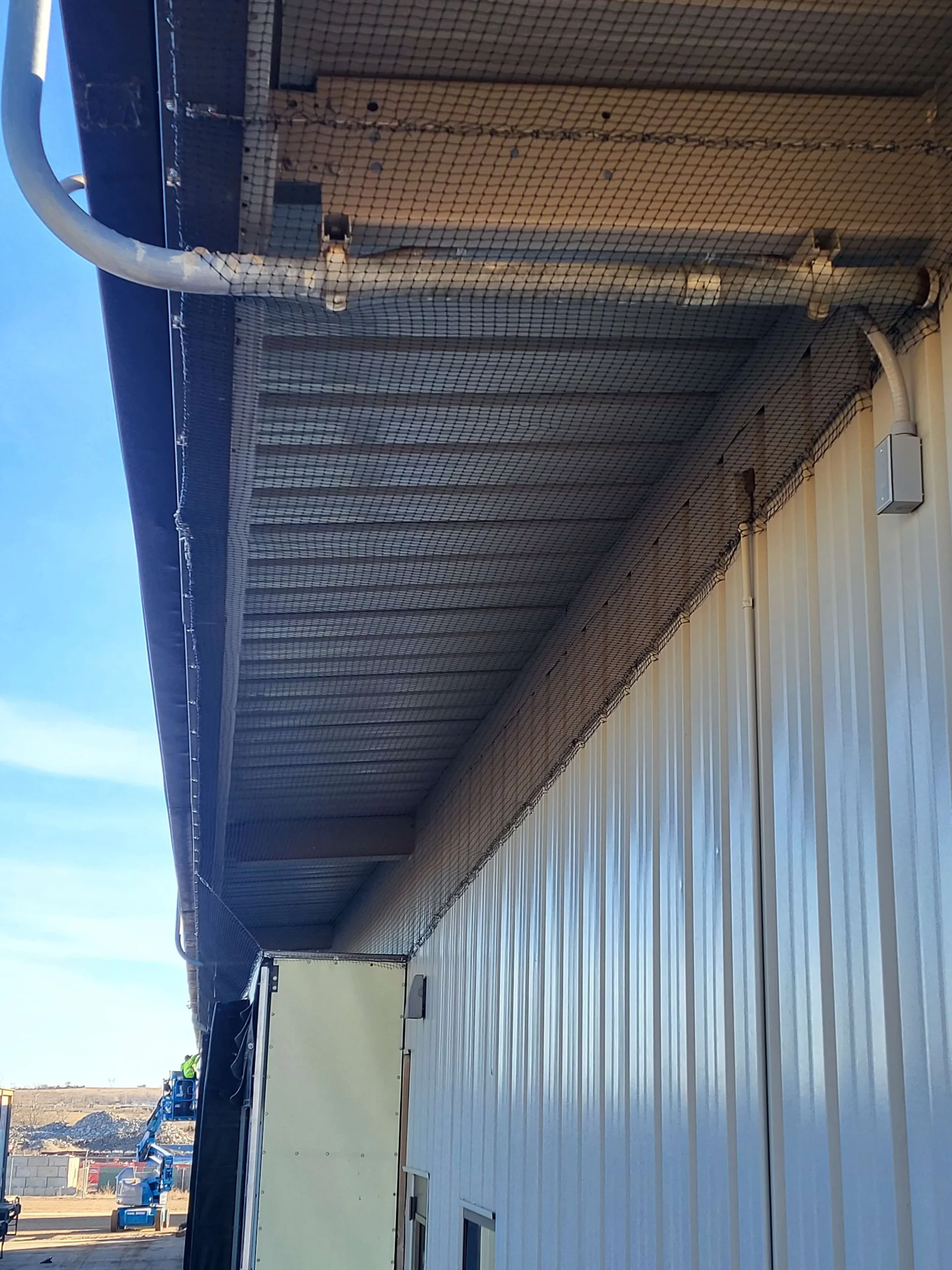
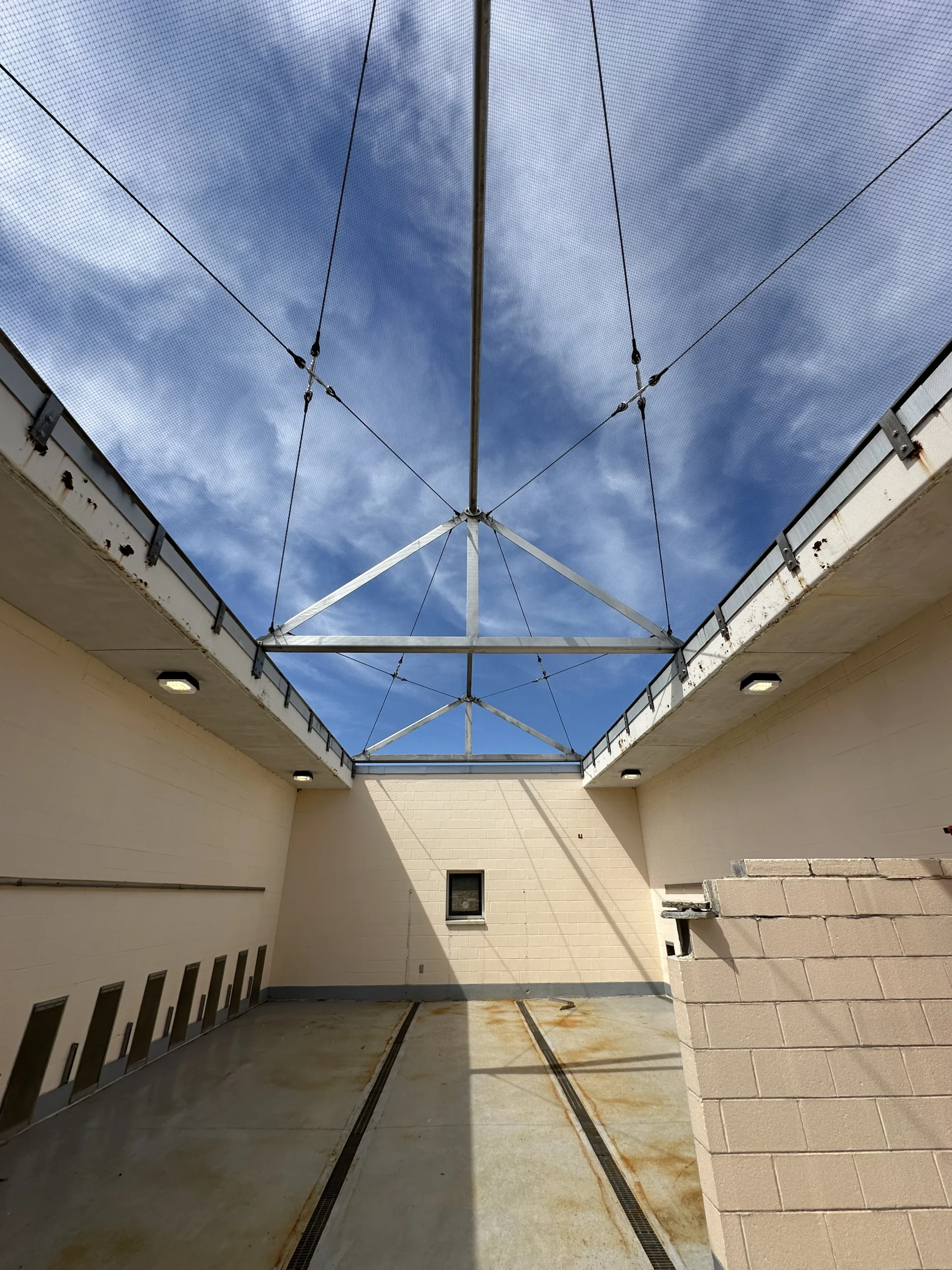
Netting blocks birds from entire areas, such as the underside of a garage ceiling or a station canopy. Commercial netting systems can follow complex framing while keeping lights and utilities accessible for maintenance. For large, open structures, netting is usually the most complete form of exclusion.
Spikes for Ledges and Fixtures
Bird spikes work well on narrow ledges, signs, and light fixtures where birds perch but netting isn’t practical. They prevent landing without harming the birds.
Combined Systems
Many structures use netting for wide spans and spikes for edges and trim. A site assessment shows where each tool makes the most sense. Pairing methods this way closes the gaps birds would otherwise exploit.
Planning Installation Around Daily Operations
Garages and stations rarely close, so scheduling matters. Crews often work during off-peak hours, section by section, to keep lanes and platforms open. Clear signage and short closures help keep commuters informed while work moves forward. Providers with transportation hub experience understand these constraints from the start.
Lift work in busy public spaces calls for careful safety planning. OSHA’s aerial lift guidance outlines the hazards crews must manage when working overhead.
Federal law can shape timing as well. Pigeons, house sparrows, and European starlings aren’t federally protected, but many native species fall under the Migratory Bird Treaty Act, so active nests may affect when work can happen.
Frequently Asked Questions
Will Netting Make Our Garage Look Industrial?
Commercial netting comes in neutral colors and blends into the structure from ground level. Most drivers and riders never notice it, and installers can choose a color that suits the surrounding concrete or steel.
Do We Need to Close Entire Floors During Installation?
Usually not. Work moves in sections, so only small areas close at a time.
How Do We Know Which Species We’re Dealing With?
A professional inspection identifies species, roost locations, and entry points. That information shapes the method, timing, and legal requirements for the project. It also reveals whether nests need attention before installation starts.
Can Bird Control Reduce Cleaning Time?
Keeping birds off the structure means fewer droppings to clean up. Many operators find maintenance crews can shift their time to other priorities.
What Happens to the Birds?
Humane exclusion keeps birds from reaching protected areas without harming them. Non-protected birds simply move on to other structures nearby.
Protect Riders and Vehicles With Commercial Bird Control
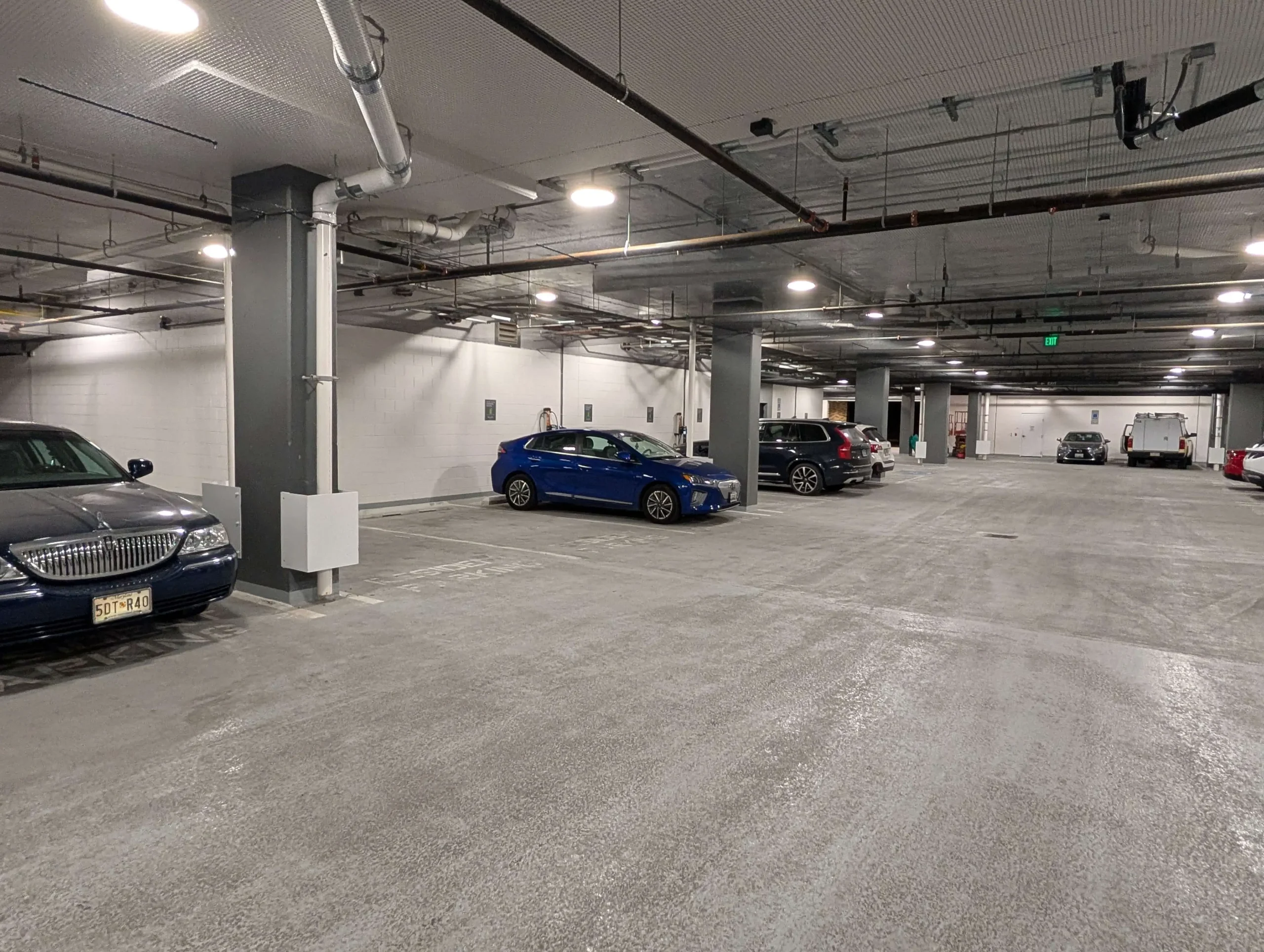
Parking and transit structures serve thousands of people every day, and bird activity touches nearly all of them. A thoughtful exclusion plan keeps decks, platforms, and vehicles cleaner and safer for everyone.
Elite Bird Management designs and installs humane netting and deterrent systems for transit and parking facilities in all 50 states. Reach out to our team for a free consultation, and we’ll help you build a plan that works around your daily operations.