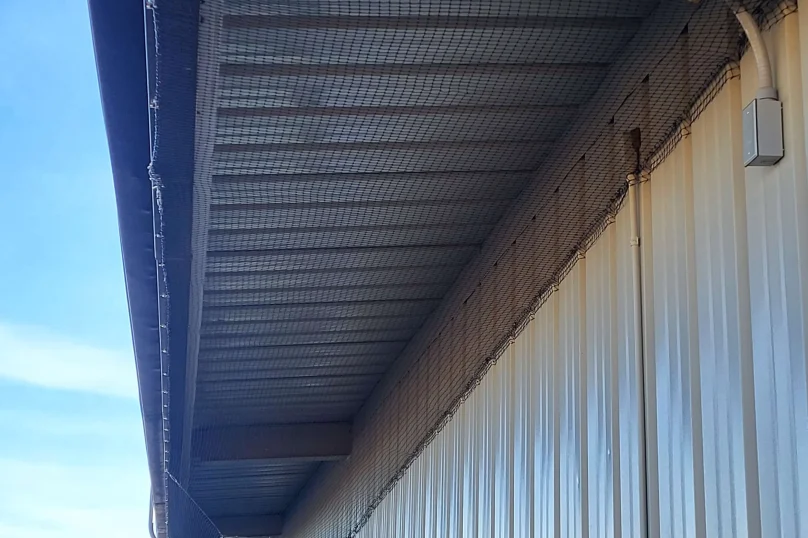
How a Commercial Bird Netting Project Works, From Site Assessment to Final Installation
Large netting projects can feel like a big unknown, especially when leadership wants a timeline and a number before anything gets approved. The good news is that commercial bird netting follows a clear, predictable process. Knowing each step ahead of time makes it easier to plan, set expectations, and move the project through approvals. Experienced netting installation teams guide clients through every stage.
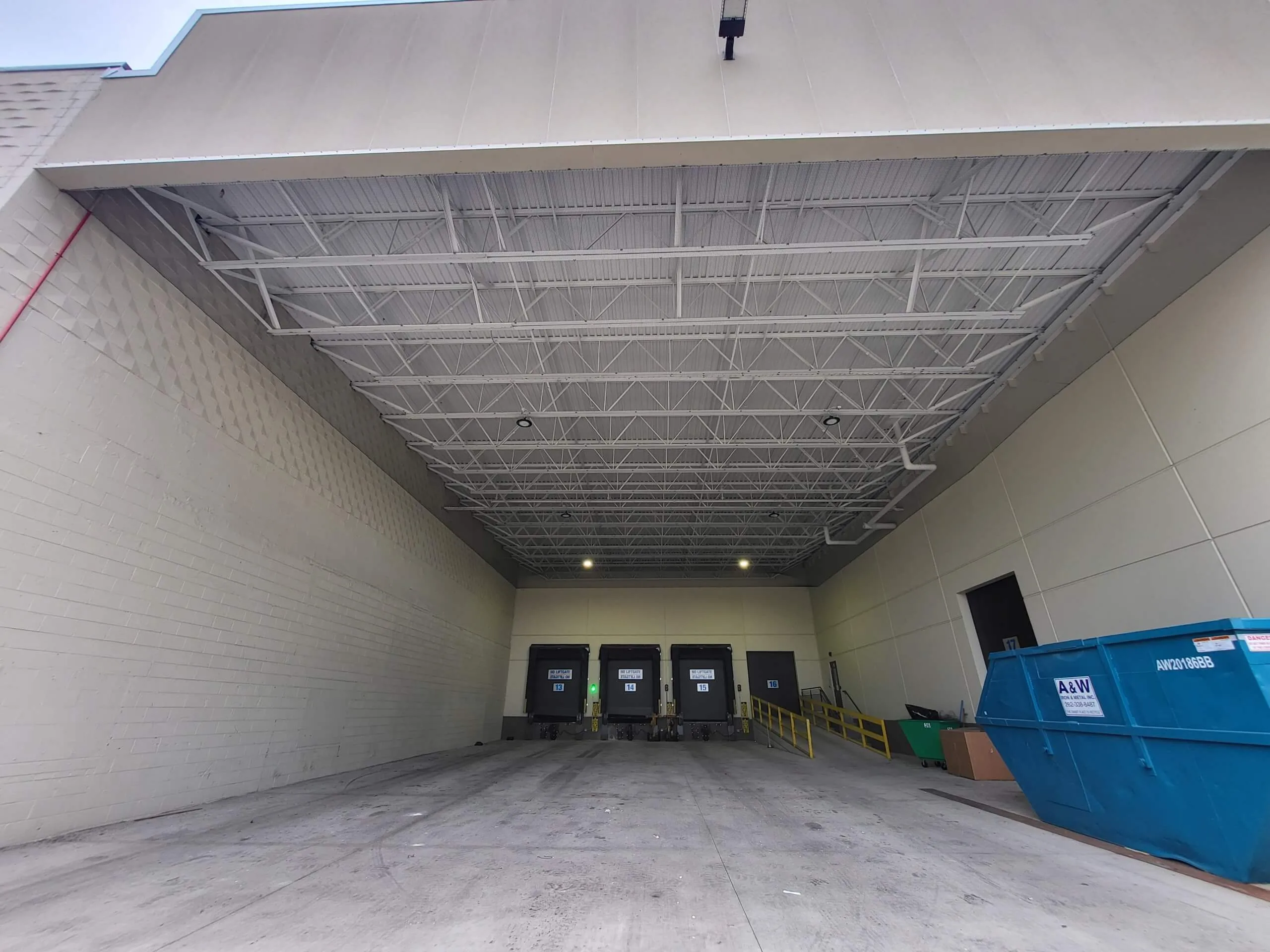
The Five Stages of a Netting Project
Most projects move through five stages. Some go quickly, while others take longer because of approvals and scheduling. Knowing what each stage involves helps your team prepare and keeps surprises to a minimum.
Stage One: Site Assessment
Every project starts with understanding the problem. The assessment identifies which species are present, where they roost or nest, and how they get in. It also notes building features like trusses, lighting, sprinklers, and doors, along with access concerns such as overhead utilities or areas that must stay open during work.
Facility staff can help by sharing where they’ve seen birds, when activity peaks, and any past attempts to solve the problem. Each finding feeds directly into the design that follows.
Tall or complex structures sometimes call for drone inspection. Commercial drone flights fall under the FAA’s Part 107 rules for remote pilots, so it’s worth asking whether a provider’s pilots hold certification. Drones let inspectors see roof edges, high trusses, and facades without setting up lifts first.
Stage Two: Solution Design
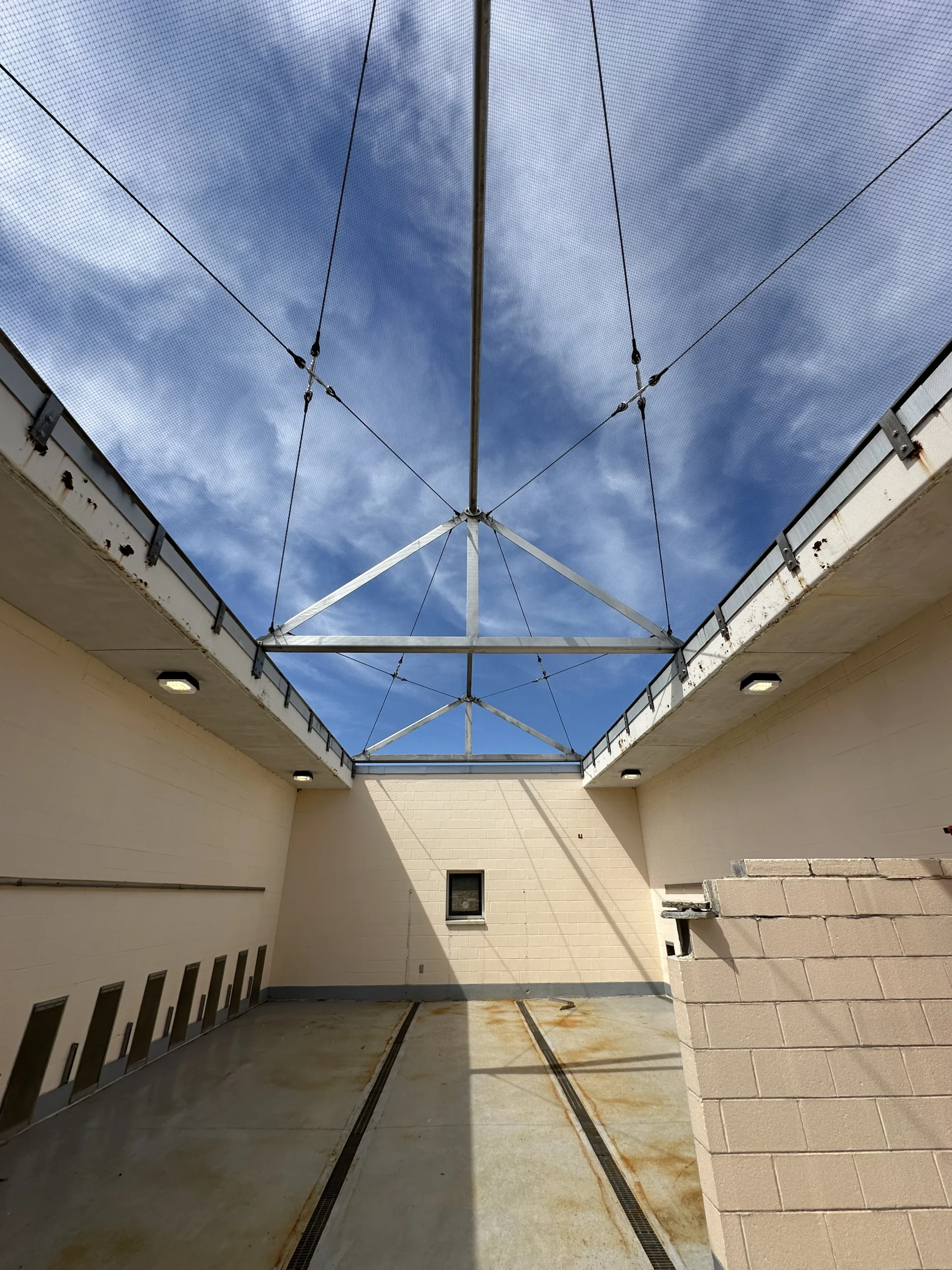
With assessment findings in hand, the provider designs the system. Key decisions include mesh size for the target species, attachment points, and access openings for maintenance. Designers also plan how netting meets walls, doors, and existing equipment so no gaps remain. Netting may also pair with other measures, such as bird spikes on exterior ledges.
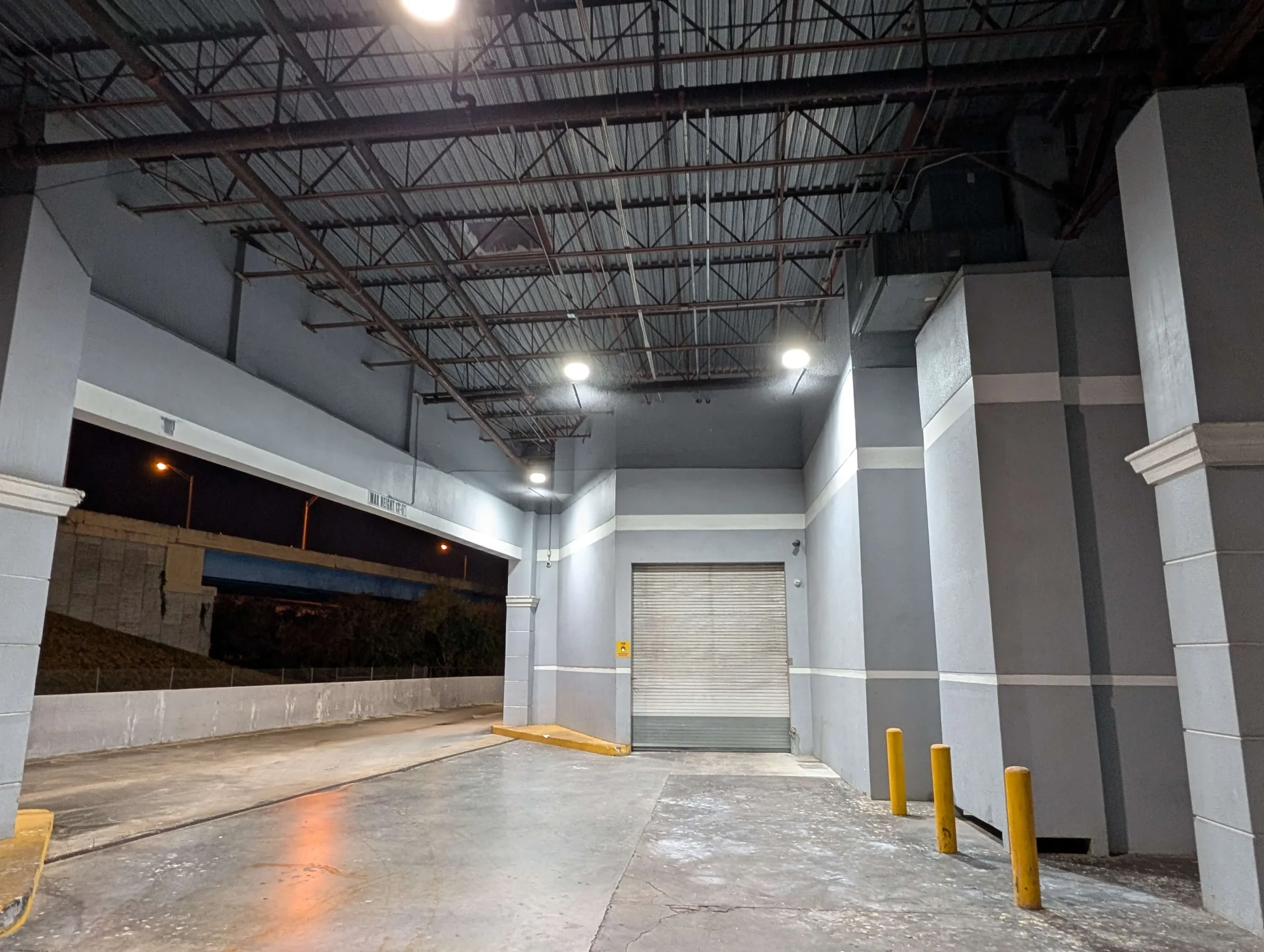
Design also accounts for how people use the space. A loading dock with constant forklift traffic needs different attachment points than a quiet atrium or a parking deck. The goal is a system that blocks birds without getting in anyone’s way. Commercial netting uses UV-stabilized, weather-resistant materials that hold tension over long spans.
Stage Three: Proposal and Approval
A detailed proposal typically covers:
- Scope and coverage area
- Materials and mesh size
- Installation schedule and work hours
- Access, staging, and safety requirements
- Pricing and payment terms
A strong proposal also explains why the recommended approach fits the site. Many projects can be quoted from blueprints, which saves time when a site visit isn’t practical right away.
Approval often involves several people, including facility managers, operations leaders, procurement, and sometimes a general contractor. Clear documentation helps everyone sign off with confidence. Some organizations also require a pre-installation meeting with safety or security teams.
Requirements vary by sector, so industry-specific experience makes the paperwork smoother. Commercial projects commonly move through purchase orders, so knowing your internal approval steps ahead of time keeps the installation date from slipping.
Once the proposal gets the green light, the project moves from paper to the job site. The schedule gets locked in, and crews prepare to mobilize.
Stage Four: Installation
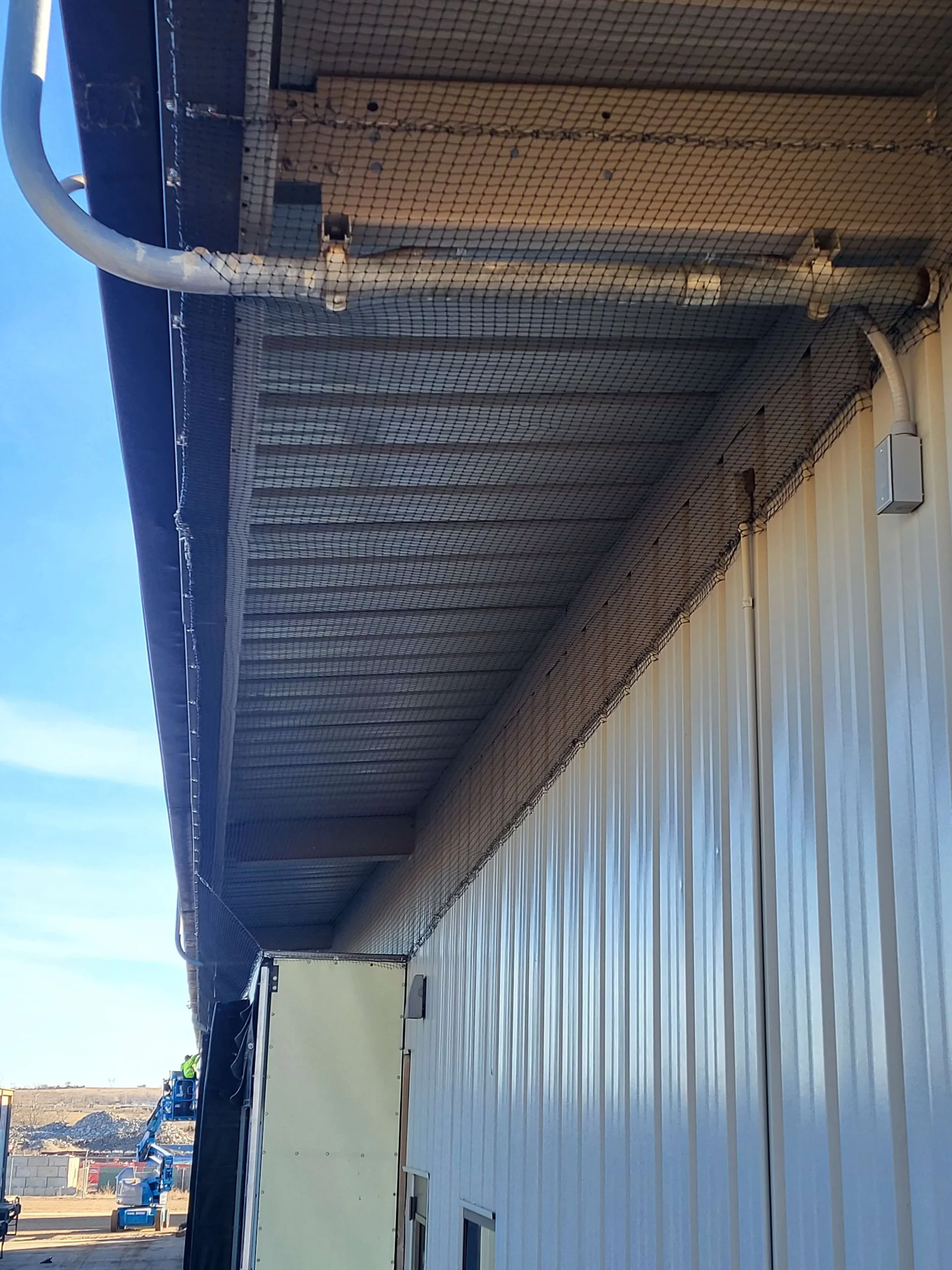
Installation crews typically work from aerial lifts, moving section by section across the area. Good crews plan around daily operations, so work may happen during off-hours or in phases. Before day one, the provider confirms lift access, staging areas, and any site-specific security requirements. Larger sites may run several crews at once to shorten the overall timeline.
Safety on the Job Site
Overhead work takes careful planning. OSHA’s aerial lift guidance covers the main hazards, including falls and tip-overs. Crews also set up barriers so employees and visitors stay clear of the work zone. Daily safety briefings keep everyone on the same page.
Wildlife Laws and Timing
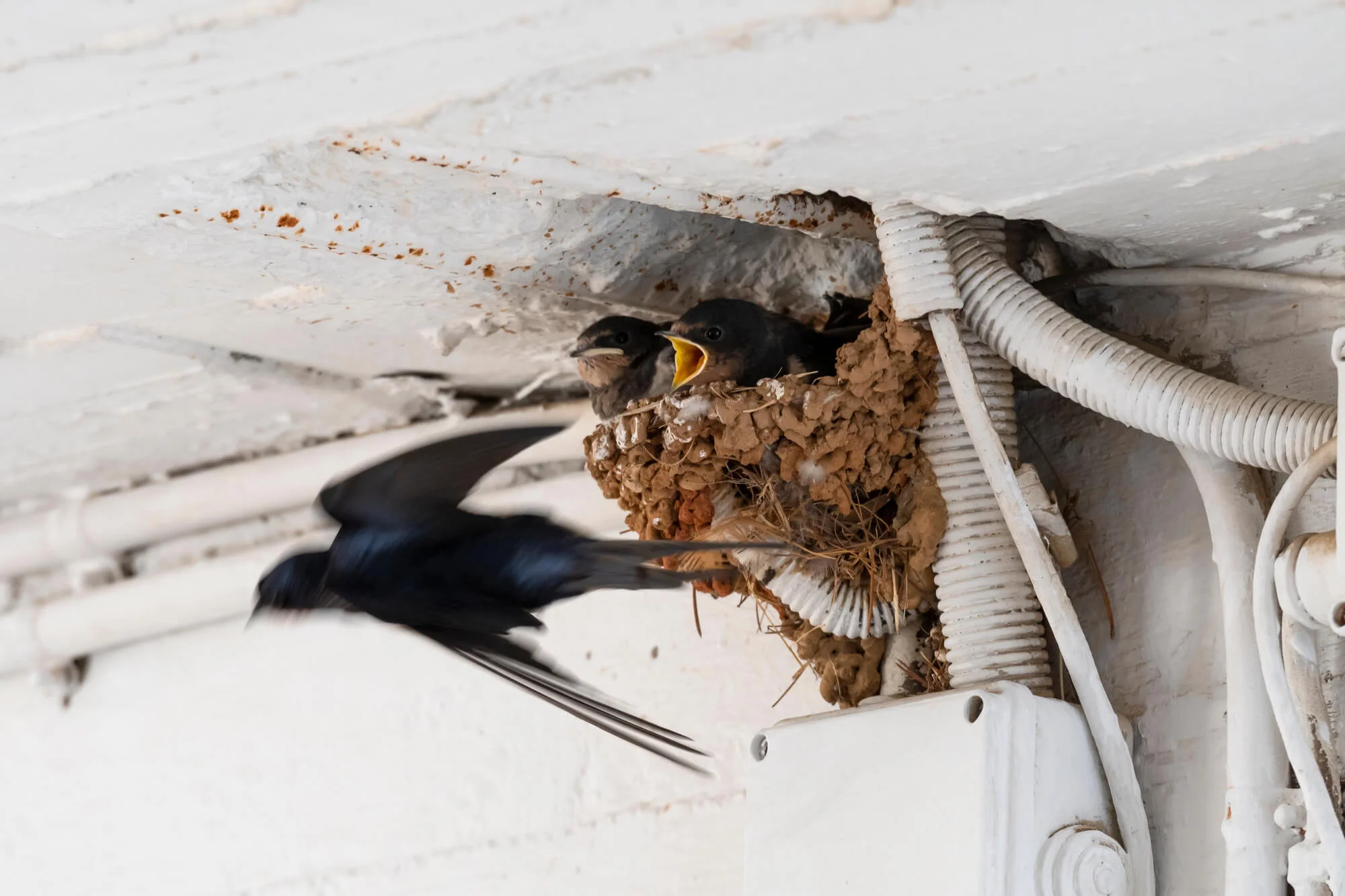
Before netting closes off an area, birds need a chance to leave. Many native species are protected under the Migratory Bird Treaty Act, so active nests can affect scheduling. Spring and summer nesting seasons tend to require the most planning. Humane exclusion keeps birds out without harming them.
Final Walkthrough
After installation, the crew and facility team walk the area together. This review confirms full coverage, proper tension, and working access points. Facility teams also learn what to watch for after the crew leaves.
Stage Five: Inspection and Upkeep
Netting performs best when someone keeps an eye on it. Periodic inspections catch tears, loose attachments, or damage from equipment. It also helps to understand how long bird netting lasts and what affects its lifespan.
Staff can report sagging or torn sections between visits so small issues don’t turn into gaps birds can use. Ongoing service can cover repairs, adjustments, and changes to the building over time.
Frequently Asked Questions
How Long Does a Netting Project Take?
Timelines depend on the size of the structure and the approval process. Installation in a smaller area might take a few days, while large facilities can take several weeks. Your provider should share a detailed schedule before work starts.
Do We Need a Site Visit Before Getting a Quote?
Not always. Many projects can be quoted from blueprints, with a site visit scheduled before installation.
Will Netting Affect Our Sprinklers or Lighting?
A good design includes access openings and clearances so equipment stays serviceable. Bring up any concerns during the design stage.
Can Our Pest Control Company Manage the Project?
Yes. Many bird specialists work as subcontract partners for pest control companies, handling the netting while the pest control company keeps the customer relationship.
What if Our Facility Is New Construction?
Netting can be specified into construction plans, which makes installation easier before tenants or equipment move in. Bringing a bird specialist in during design helps plan attachment points early.
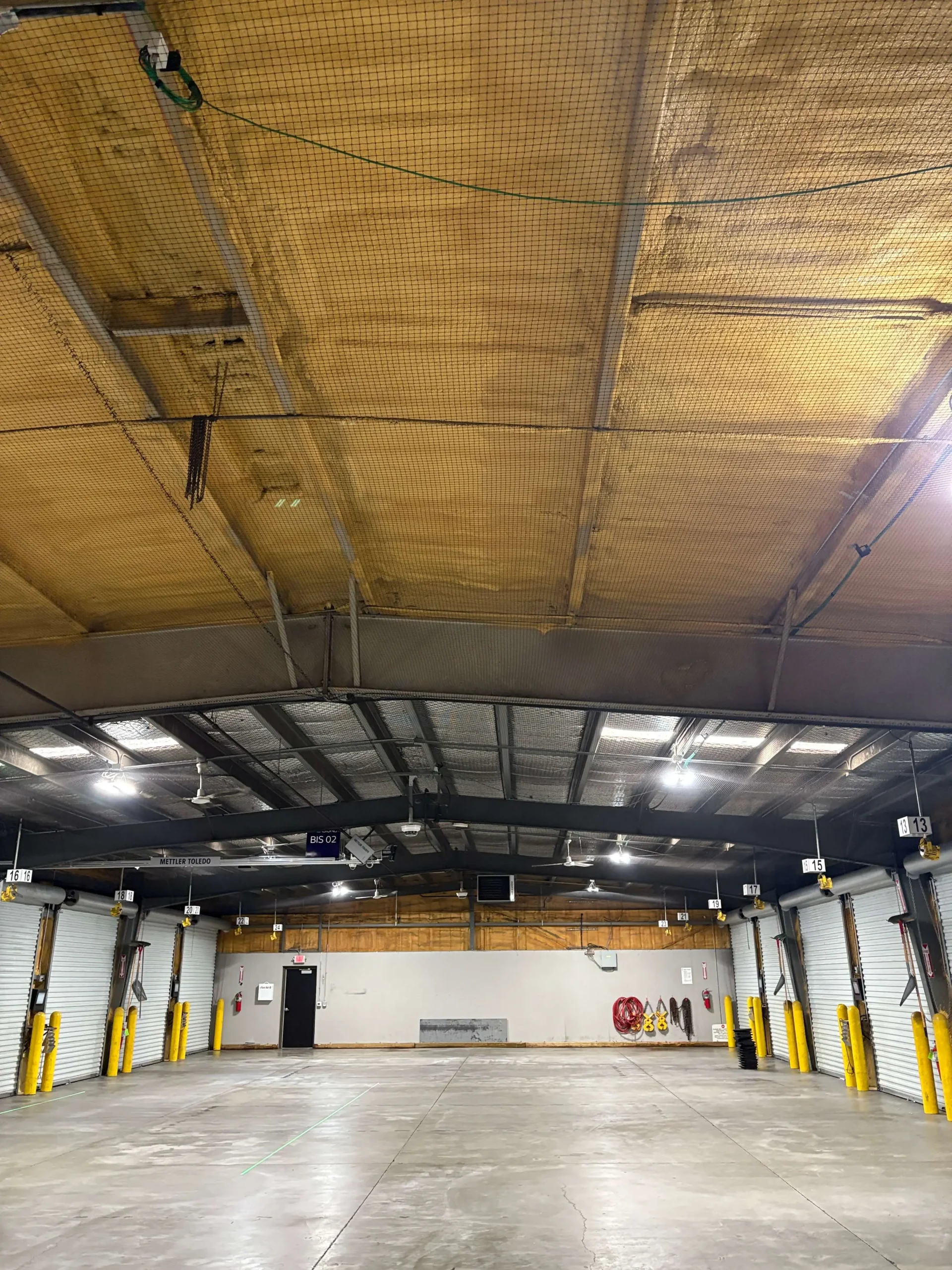
Start Your Commercial Bird Netting Project With Confidence
Every netting project follows the same basic path, and knowing it removes much of the guesswork. A clear process keeps your team informed and your facility protected from start to finish.
At Elite Bird Management, our installers average 16 to 17 years in bird control, and our team is FAA Part 107 certified for drone inspection of tall and complex structures. Contact our team to request a free quote, often prepared from blueprints with no site visit required.