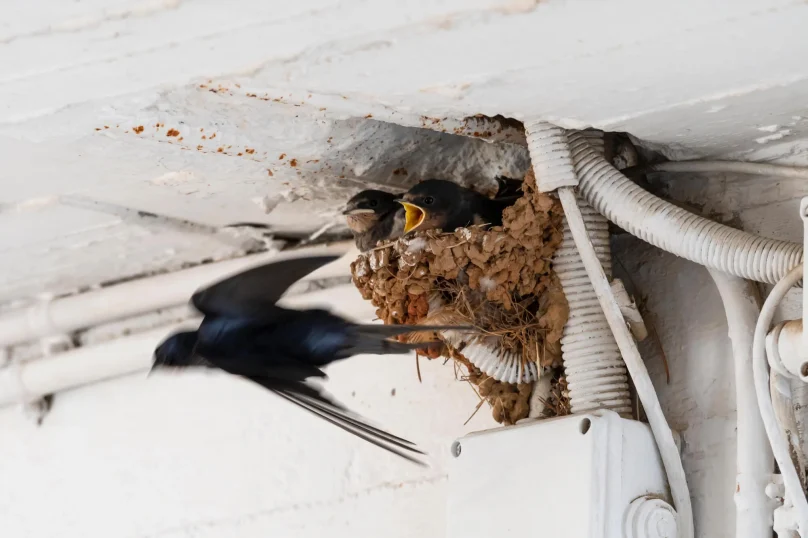
Commercial Bird Deterrent Planning for Food Processing and Audit Readiness
Food processing plants work hard to keep contaminants out, and birds can undo that effort quickly. A single sparrow in the rafters or a few pigeons on a loading dock can raise red flags during a third-party audit. A commercial bird deterrent plan gives facilities a documented, preventive way to keep birds away from product, packaging, and equipment. The strongest programs start with physical deterrent systems matched to each area of the plant.
Why Birds Are a Food Safety Issue
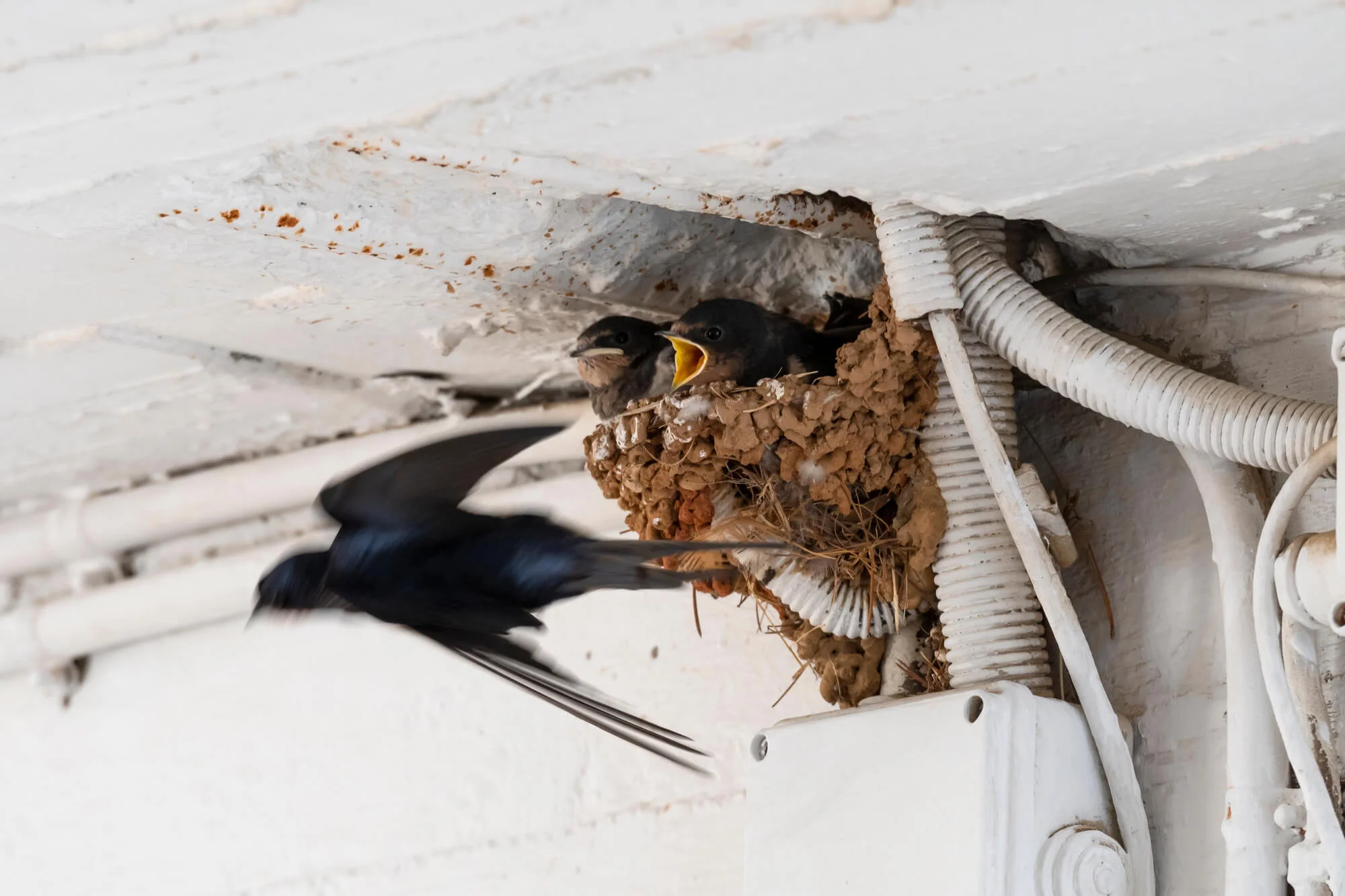
Birds bring more than a mess. Their droppings, feathers, and nesting material can all end up where they don’t belong in a food plant. Even a small amount of activity can call a facility’s sanitation program into question.
What the Regulations Say
FDA’s current good manufacturing practice rules are direct on this point. Under 21 CFR 117.35, food plants can’t allow pests in any area and must take effective steps to exclude them. Birds fall squarely under that requirement, and food safety teams often treat bird exclusion as part of their broader pest prevention program.
Third-party audit schemes build on the same idea. Auditors look for signs of bird activity inside and around the building, along with proof that the facility has a plan to prevent it.
Where Birds Cause Trouble in Food Facilities
Bird pressure tends to concentrate in a few predictable spots:
- Loading docks and dock doors that stay open during shipping and receiving
- Rafters and roof trusses above production or storage areas
- Canopies, ledges, and signage near entrances
- Rooftop equipment, including air intakes and HVAC units
- Exterior lighting that attracts insects, which then draw birds
Each of these areas calls for a different approach. That’s why one-size-fits-all solutions rarely hold up in food environments.
Common Species Around Food Plants
Pigeons, house sparrows, and starlings show up at food facilities across the country because spilled grain, packaging debris, and warm buildings meet their needs. Sparrows are small enough to slip through gaps around dock seals and roll-up doors. Gulls become a factor at plants near coasts, landfills, or open water.
The Cost of a Bird Finding
A bird observation during an audit can lead to a nonconformance, corrective action requests, and follow-up visits. In more serious cases, potentially contaminated product may need to be held or discarded. Customers who require audit certificates may also start asking harder questions. Repeat findings can put pressure on certification status over time.
Employee health matters too. NIOSH guidance on histoplasmosis highlights the risks for workers who disturb accumulated bird droppings.
Why Reactive Fixes Don’t Satisfy Auditors
Chasing birds out after they get inside shows an auditor that a problem exists, not that it’s under control. Scare devices and occasional cleanups tend to lose effectiveness as birds adjust. Auditors want to see prevention: physical barriers, routine inspections, and records showing activity is trending down. A documented program tells a very different story than a stack of cleanup receipts.
Building that kind of preventive program starts with choosing the right deterrent for each part of the plant.
Matching the Deterrent to the Area
Food plants usually need a combination of methods. A walkthrough of the facility shows where birds enter, perch, and nest. Experience in food processing and warehouse environments helps a provider spot risks other contractors might miss.
Netting for Open Structures
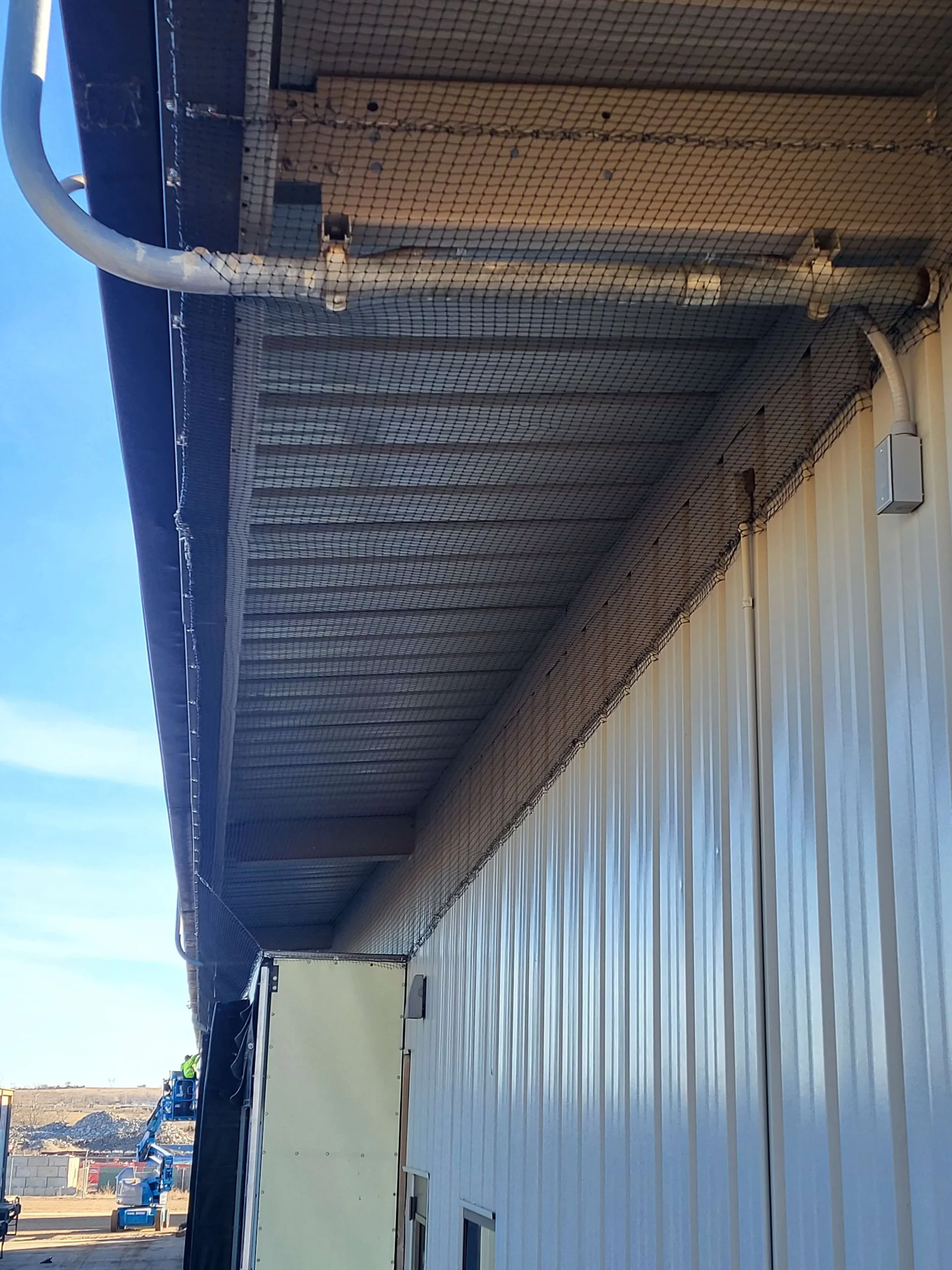
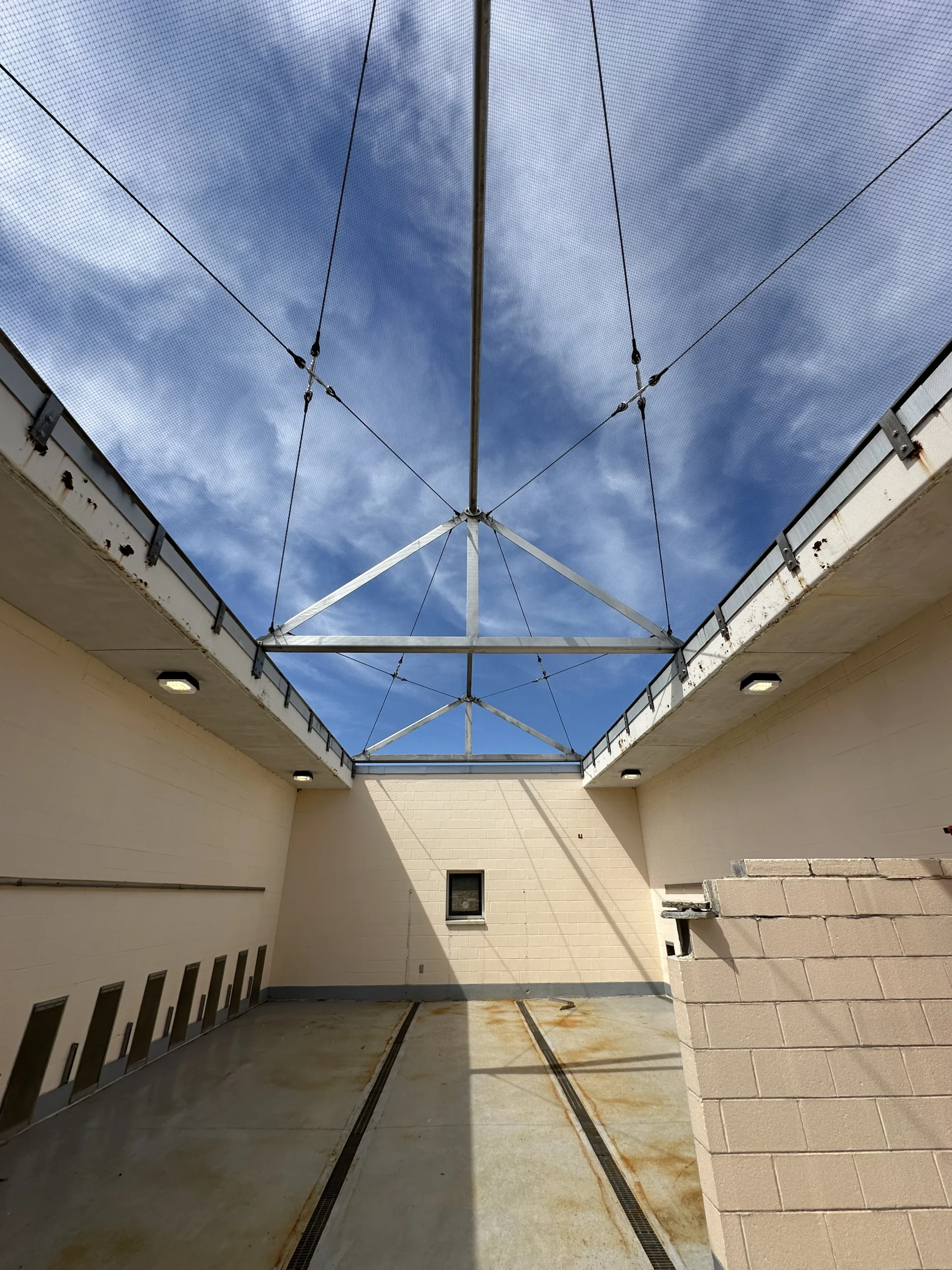
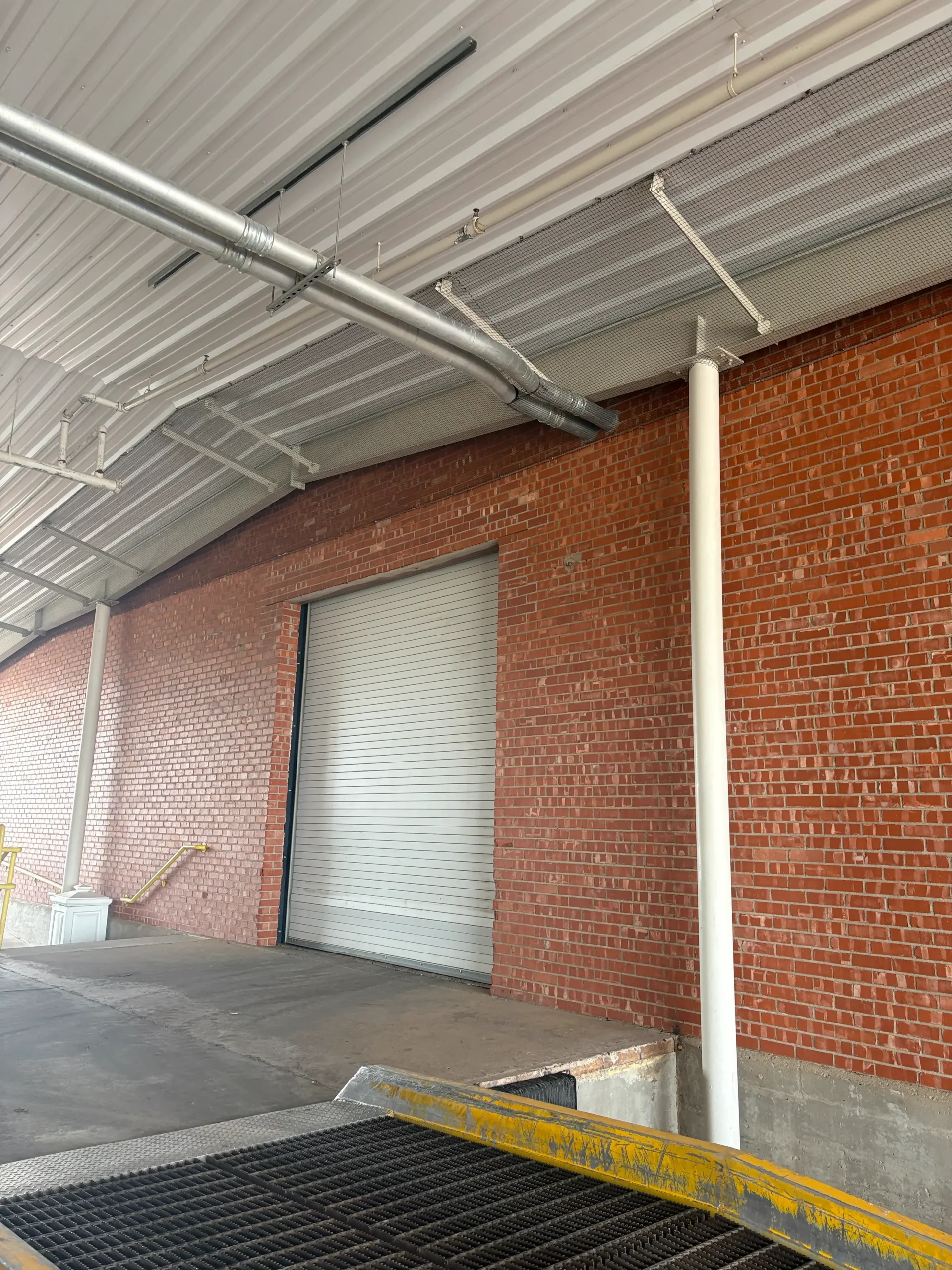
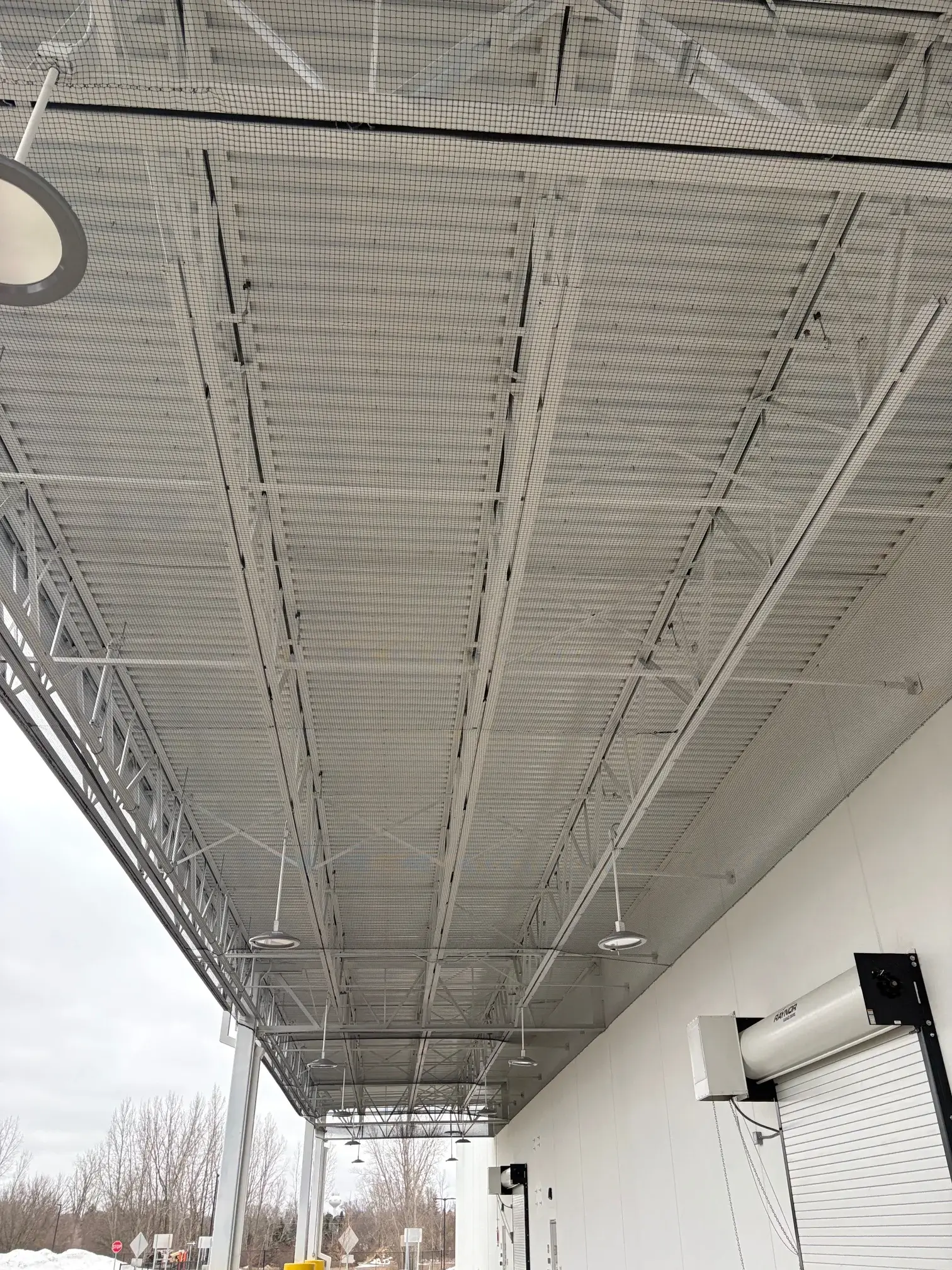
Commercial netting closes off rafters, canopies, and dock areas so birds can’t reach them at all. Mesh size should match the species, since sparrows need a tighter mesh than pigeons. Above production and storage areas, netting offers the most complete form of exclusion.
Spikes and Wire for Ledges
Ledges, beams, signs, and light fixtures often benefit from spikes or low-profile wire systems. These keep birds from landing without adding clutter to the building. Full coverage matters, since any gap gives birds a place to land.
Dock Door Strategies
Docks need special attention because doors open all day. Netting over dock canopies, combined with deterrents on nearby ledges, limits the places birds can wait before slipping inside. Keeping doors closed when not in use and repairing worn dock seals also reduce entry points.
Documenting Your Bird Program
Good records turn a deterrent system into audit evidence. Keep a simple file that includes:
- A site map showing deterrent locations
- Inspection dates and findings
- Corrective actions and repairs
- Species identification and nesting notes
This documentation fits naturally alongside the rest of your pest management records. It also gives auditors a clear picture of how the program works year-round.
Timing Around Nesting Season
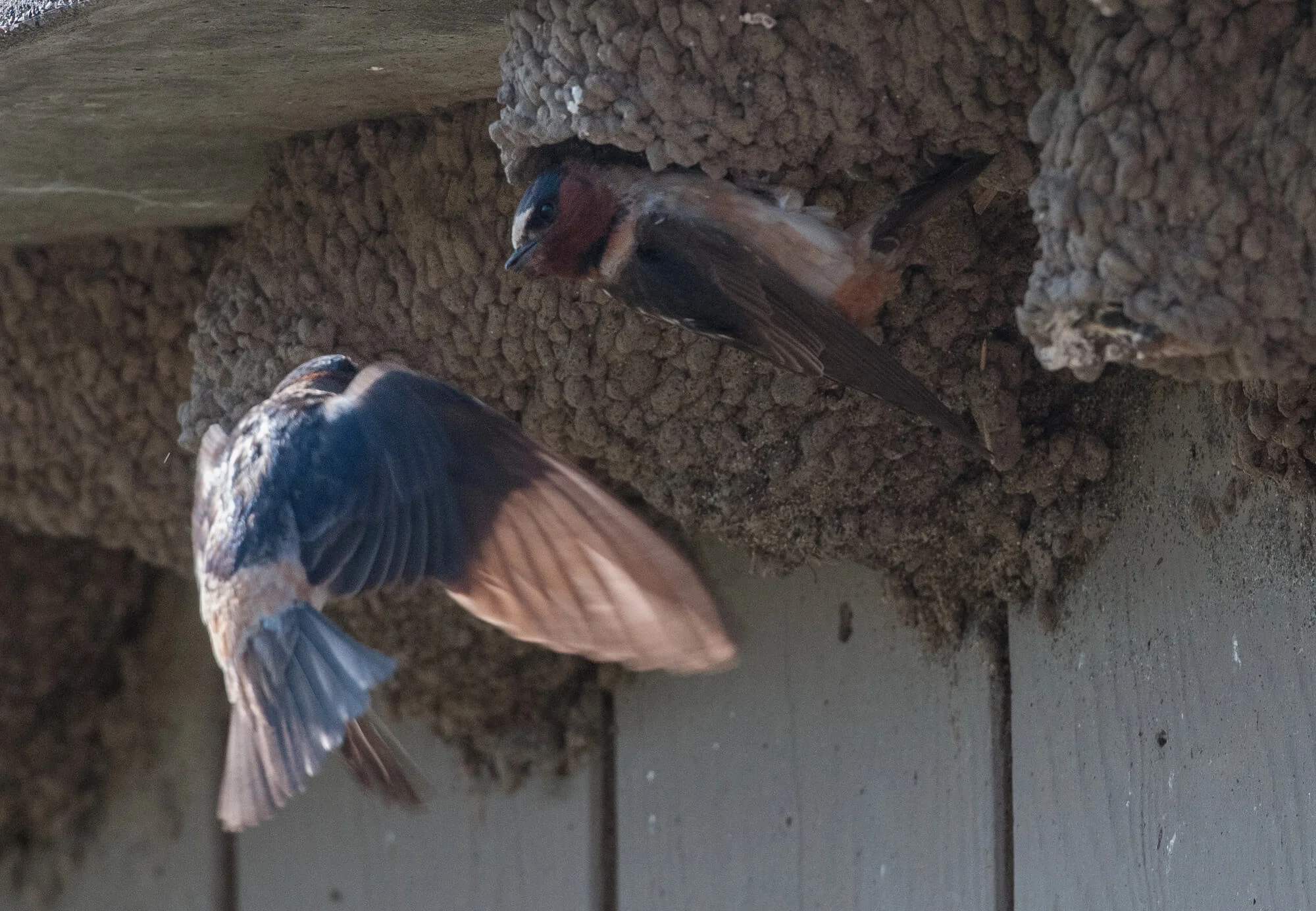
Planning in late fall and winter lets installation wrap up before spring. Swallows and many other native species are protected under the Migratory Bird Treaty Act, and active nests can delay work once nesting season begins. Getting ahead of that window keeps projects on schedule. Winter work also gives the team time to fold the new system into spring audit preparation.
Frequently Asked Questions
Can Deterrents Be Installed Without Stopping Production?
Usually, yes. Installers often work during off-shifts, weekends, or planned shutdowns, moving section by section.
Are Physical Deterrents Safe to Use Near Food Areas?
Netting and spikes don’t rely on chemicals. Your food safety team should still review placement and materials before installation begins.
How Often Should We Inspect Our Deterrents?
Many facilities tie inspections to their existing pest management schedule. Regular checks catch damage or new activity early.
Which Deterrent Works Best for Our Plant?
It depends on the species, the structure, and how each area gets used. For a broader comparison of options, explore how to choose a bird deterrent.
Do We Still Need a Pest Control Company?
In most cases, yes. Bird exclusion complements a facility’s broader pest program rather than replacing it, and the two should share documentation.
Build Audit Confidence With a Commercial Bird Deterrent Plan
Birds don’t have to be a recurring audit headache. A preventive, well-documented program protects product, packaging, and your facility’s reputation.
At Elite Bird Management, our mission is protecting people, property, and product. We design and install humane exclusion systems for food processing plants and warehouses nationwide. Contact our team for a free consultation, and we’ll help you build a deterrent plan your auditors can see.