

The Benefits of Scheduling Outdoor Pest Control Each Season
Bird activity shifts across the year, and businesses feel these changes in real ways that affect daily operations. Facility teams see rising pressure when birds crowd roof edges, walkways, and loading areas that customers and staff often use. Cleanup demands grow fast and drain the time that teams need for other tasks. Nesting materials and droppings also damage sensitive structures and pose safety risks, disrupting workflow. Many companies want a steadier plan that adapts with the seasons and keeps their property protected without constant stress.
How Seasonal Pest Control Supports Business Growth
Seasonal outdoor bird control helps companies protect property, reduce staff strain, and improve the customer experience. Clean walkways and safer structures reflect well on brand standards. Customers move with confidence when outdoor zones stay clear of droppings and nests. These results support smoother growth across service, retail, hospitality, and industrial sites.
Reliable Scheduling Reduces Long-Term Costs
Seasonal control reduces roof repairs, vent cleaning, and signage maintenance by preventing birds from settling in high-risk areas. Consistent cleanup demands also drop, which helps teams focus on productive work. Droppings no longer accumulate on sensitive surfaces that need expensive restoration. Businesses see fewer equipment breakdowns linked to nesting debris. These savings grow stronger with ongoing scheduling. A predictable plan supports better financial planning.
Cleaner Sites Improve Public Perception
Customers notice when property entrances stay clean and organized. A well-maintained exterior builds trust and supports steady foot traffic. Staff also work more comfortably when bird hazards are controlled; clean sites lower complaint rates across many industries. A positive exterior appearance strengthens brand reputation. These gains are reflected directly in customer feedback and retention.
Liability Risks Decline With Steady Control
Bird droppings create slip risks that raise liability concerns. Nesting in vents affects indoor airflow and creates safety hazards. Seasonal control limits these problems before they spread. Clear, hazard-free paths reduce injury risks across the property. Staff move more safely through high-traffic areas. Businesses gain stronger compliance with internal safety policies.
Why Seasonal Outdoor Pest Control Matters
Seasonal outdoor pest control supports business sites by addressing shifting bird activity throughout the year. Birds follow patterns that rise with weather changes, food sources, and shelter needs, and these shifts create new challenges that many teams struggle to manage. A one-time service cannot keep up with this constant change, so seasonal planning becomes the steadier option. Strong, consistent scheduling helps businesses anticipate bird behavior before it disrupts operations.
Spring Bird Control Prepares Sites for Nesting Season
Spring bird control focuses on nesting behavior that can grow quickly once birds find secure nesting sites. Birds seek covered ledges, roof corners, equipment housings, and signage where nests stay protected from wind and rain. These early nests often spread into nearby areas as flocks follow the first birds to settle. Businesses avoid extensive repairs by addressing nesting patterns at the start of the cycle.

Spring Inspections Detect Growing Nesting Sites
Early inspections reveal nests in roof gaps, gutters, and structure edges that birds target for shelter, and these areas weaken when debris builds. Teams can remove nests before flock numbers rise and create added damage. Staff learn which building features attract birds, enabling them to report activity more quickly and coordinate with service teams. Faster action reduces the risk of broken gutters, blocked HVAC ducts, and corroded surfaces. This timing prevents nests from spreading through multiple entry points that become harder to handle later. Spring inspections also guide future deterrent placement with better accuracy.
Spring Deterrents Reduce Long-Term Bird Pressure
Spring deterrents shift bird movement away from warm landing spots that attract new nesting. Barriers alter physical access to ledges, preventing birds from settling on common host sites. Sound and motion tools disrupt return patterns that birds repeat year after year. These deterrents work well during spring because birds scout locations before building new nests. Once birds move away from a site in the spring, they tend to avoid it during summer and fall. This pattern gives businesses a decisive advantage in long-term prevention.
Staff Awareness Strengthens Spring Control
Staff often see nesting signs before damage becomes visible because they move across the property daily. Quick training helps them identify materials like twigs, feathers, and droppings near hidden nesting zones. Reports from staff allow crews to adjust plans with faster precision. This teamwork closes gaps that seasonal inspections might not catch. Communication also helps teams prevent birds from reclaiming recently cleared nesting sites. Shared awareness boosts protection across the entire property.
Summer Bird Control Handles Heat-Driven Movement
Summer heat pushes birds toward shaded structures, water sources, and rooftop equipment that offer better airflow. Birds also move closer to outdoor dining areas, open warehouse doors, and waste areas where food smells and shade are more prevalent. These patterns require targeted prevention during the hottest months. Seasonal planning during summer helps teams reduce disruptions that affect customers and staff.
High-Activity Zones Draw Birds in Summer
Outdoor seating, entrance awnings, and loading docks attract birds that seek shade and quick access to food. Waste bins near these areas draw even more activity as rising temperatures strengthen odors. Birds also slip into open bays where airflow pulls them deeper into facilities. These issues create hazards that slow staff and distract customers. Smooth summer operations depend on clearing these zones with strong deterrents. Consistent monitoring helps teams stay ahead of daily pressure.
Roof and Equipment Protection Prevents Damage
Cooling units and vents generate consistent warmth that attracts nesting in summer. Birds wedge debris into vents and coils, disrupting airflow and increasing energy use. Roof surfaces also corrode when droppings spread across panels under direct sunlight. Routine summer inspection catches these issues while crews still have clear access to affected areas. Protective screens and landing modification tools help guard vulnerable points. This strategy prevents costly maintenance that disrupts business operations.
Waste Management Adjustments Limit Bird Attraction
Waste stations attract birds quickly because open bins and food scraps create strong scent trails. Secured lids and compact waste systems cut these access points. Shielding around waste areas blocks the wind that carries odors into public areas. Staff awareness helps maintain clean surroundings after rush periods. Deterrents placed near waste paths guide birds toward safer, less disruptive zones. These actions support cleaner and safer summer conditions.
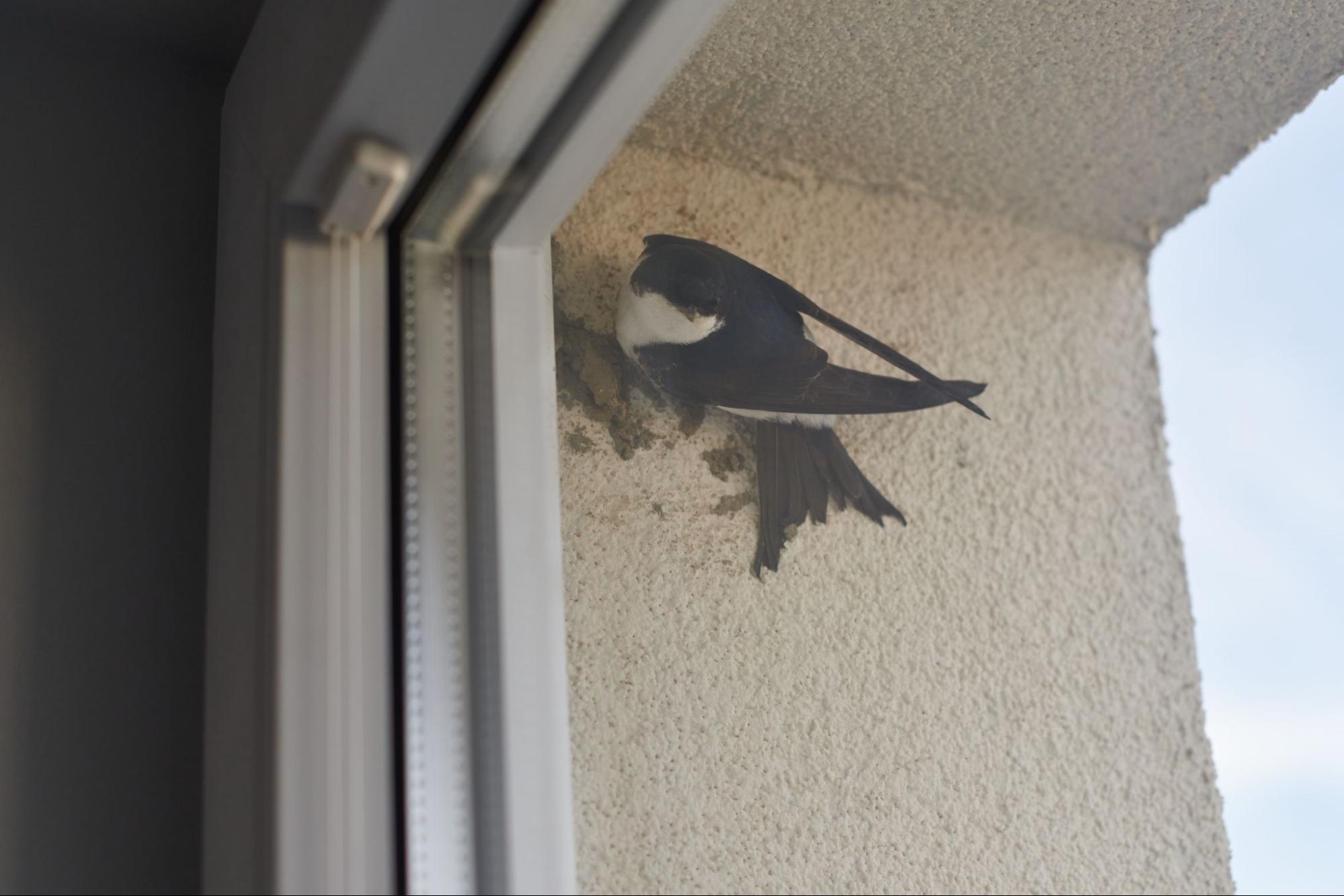
Fall Bird Control Manages Migration Traffic
Fall increases bird migration across business sites as flocks search for brief rest stops during long migratory flights. These groups land on roofs, ledges, loading docks, and signs where they can gather quickly. Droppings and noise grow fast when many birds stop at once. Fall control helps facilities limit this heavy traffic before winter behavior patterns begin.
Migration Brings Large Flock Movement
Birds pause on high structures during migration, leaving dense droppings that stain concrete and metal. Staff face heavy cleanup that interrupts operations throughout the day. Customers also avoid entrances when large flocks gather overhead. A clear fall strategy reduces this disruption before it spreads into public spaces. Seasonal timing helps crews respond as migration peaks. This preparation keeps customer walkways and service zones safer.
Fall Deterrents Keep Flocks Moving
Light-based tools disrupt landing cues that birds rely on during long flights. Barriers installed on ledges and rooflines limit perching in popular stopping zones. Crews remove natural food attractants, such as fallen fruit, from landscape areas near entrances. These actions push birds to continue their migration rather than rest on business structures. A strong fall plan also reduces nest scouting for the coming spring. This effect supports the following year’s prevention cycle.
Landscape Adjustments Reduce Bird Draw
Trees and shrubs near walkways drop seeds and fruit that attract birds during the fall. Grounds crews trim branches that hang close to customer paths. Businesses may relocate waste stations to larger areas farther from public entrances. Clean landscapes remove easy food sources, bringing flocks closer to high-traffic areas. This setup supports a cleaner environment with less disruption. Strong landscape planning strengthens overall bird control.
Winter Bird Control Protects Key Structures
Winter increases bird pressure near warm vents, roof gaps, and sheltered loading zones where birds seek protection from cold air. These areas become sensitive because birds crowd into tight spaces, placing structural strain on the structures. Birds also gather near heating exhaust systems that provide warmth. Winter control reduces these risks before damage spreads into interior areas.
Winter Shelter Behavior Creates Entry Risks
Birds search for small openings in walls, vents, and roof joints where heat escapes. These gaps allow birds to gather inside roof cavities, causing extensive mess. Crews seal and screen high-risk points to limit access. Winter inspections detect areas that weaken when ice forms. Staff benefit from guidance about monitoring these spots throughout the cold months. A clean control plan reduces structural damage and health hazards.
Winter Cleanup Supports Safe Operations
Droppings freeze and create slick surfaces across walkways and loading areas. Staff face a greater risk when these surfaces become unstable. Routine winter cleanup lowers the risk of slips and contamination. Waste areas also need steady checks because food scarcity pulls birds closer to dumpsters. Crews clear debris that collects during storms or high winds. This upkeep helps keep operations safe during harsh winter periods.
Winter Planning Guides Next Year’s Strategy
Winter gives managers space to review the year’s bird trends. Teams examine which deterrents worked well and which areas need added tools. Budgets for the next year align with real seasonal data gathered across the site. Service partners help adjust preventive goals for spring and summer. Staff prepare for changing patterns that rise once temperatures warm. Winter planning helps set the foundation for more substantial year-round control.
Improve Your Outdoor Pest Control Readiness
Seasonal bird pressure can be so intense that it challenges even well-managed sites, and a clear plan helps your team stay ahead of those shifts. Strong prevention supports safer walkways, cleaner structures, and smoother customer flow year-round. Businesses benefit when they prepare before conditions change, because readiness gives them more control and fewer surprises. Connect with a trusted provider who understands bird management and can build a seasonal strategy tailored to your property and that supports consistent site performance.
See how current bird trends affect commercial sites and gain practical solutions by engaging with the Elite Bird Management blog.



Comments (20)
zyloprim generic
zyloprim generic
buy vibramycin online
buy vibramycin online
diflucan
diflucan
buy vibramycin
buy vibramycin
viagra pill alternatives
viagra pill alternatives
levitra side effects
levitra side effects
udenafil vs viagra
udenafil vs viagra
dapoxetine 30mg cost
dapoxetine 30mg cost
semaglutid tablett biverkningar
semaglutid tablett biverkningar
doxycycline for cough
doxycycline for cough
sildenafil 50 mg what does it do
sildenafil 50 mg what does it do
bupropion weight loss 150 mg
bupropion weight loss 150 mg
minoxidil shampoo ingredients
minoxidil shampoo ingredients
orlistat medicina mexico
orlistat medicina mexico
avanafil clinical mechanism
avanafil clinical mechanism
vardenafil time dynamics
vardenafil time dynamics
vardenafil tolerability
vardenafil tolerability
online safety safe navigation
online safety safe navigation
pneumonia dry cough
pneumonia dry cough
PK Concepts Reference
PK Concepts Reference