

Effective Bird Control for Starlings: What Methods Work Best?
Starlings push business owners to solve problems that grow fast and hit daily operations hard. Their flocks spread mess across high-traffic areas and add strain on maintenance teams. The noise, droppings, and nesting clog site access and disrupt staff routines. These conditions frustrate managers who depend on clean and predictable work zones. Pressure builds until owners seek bird control methods that deliver consistent, lasting results.
Why Starlings Pressure Business Properties
Starlings create a steady strain on commercial properties because they target tight gaps and exposed ledges that offer shelter. Their droppings stain surfaces and weaken building materials as each flock settles deeper into structures. The activity also raises health concerns for teams working near contaminated areas. Business owners look for fast control that limits mess and stabilizes site operations.
Operational Disruption From Starling Activity
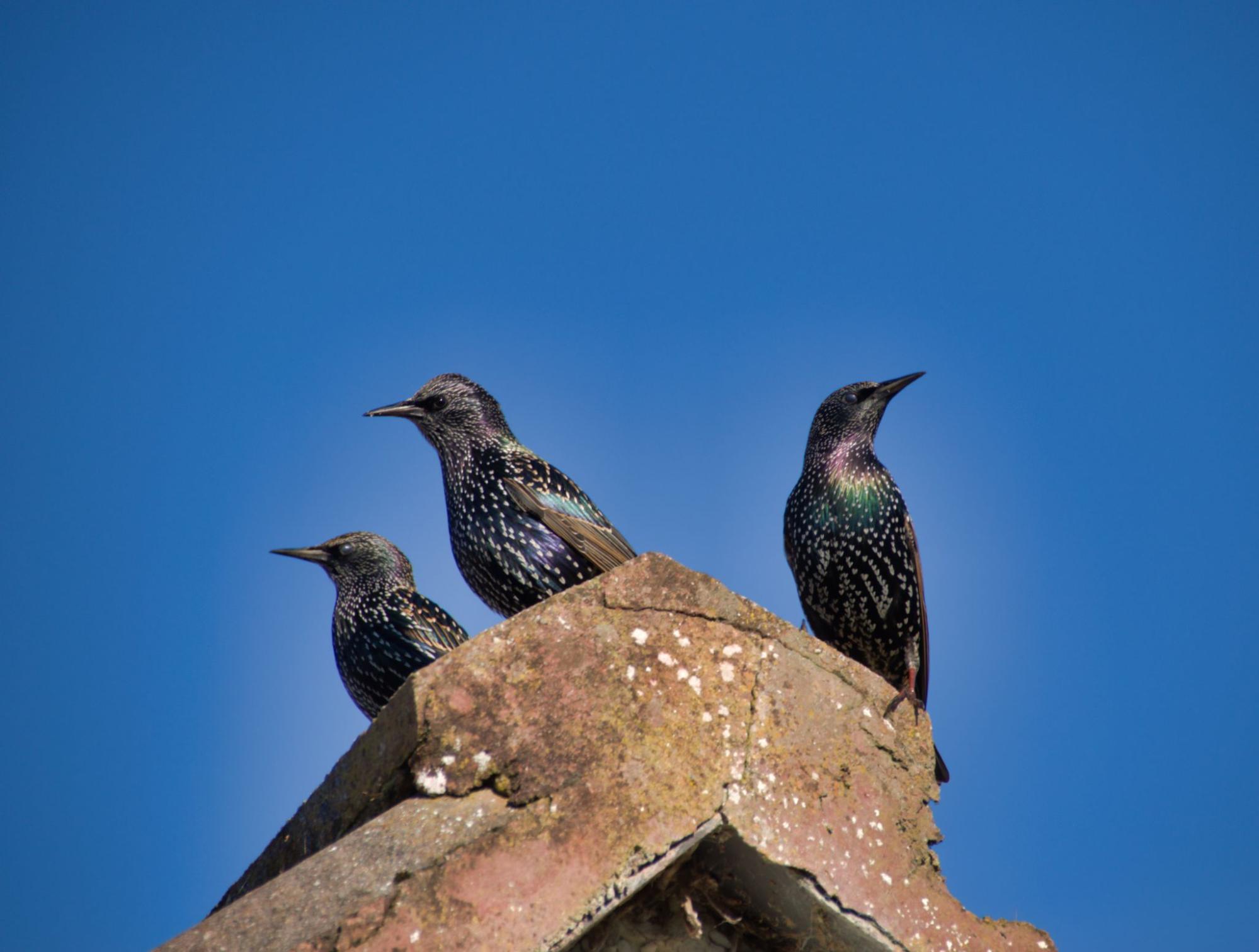
Starling flocks interrupt daily work as they crowd doorways, rooflines, and open walkways, slowing movement through busy areas. Staff adjust routes to avoid areas where droppings collect near loading docks. Customer zones feel less welcoming when birds gather near signs and roof edges. This constant movement distracts workers and strains cleaning routines. Teams lose time managing repeated mess. Operations shift as birds push deeper into key workspaces.
Property Damage Caused by Starling Nesting
Starling nests build inside vents, ledges, and screened gaps, creating blockages that affect airflow and equipment. Their droppings erode metal and concrete surfaces with steady contact. Wet buildup lowers roof durability during long seasons. Lights and fixtures clog with nesting scraps that fall into chambers. Repairs grow more frequent as birds settle in new pockets. Damage builds fast when starlings return each day.
How Starling Behavior Shapes Control Plans
Starlings respond to food, warmth, and safe cover, and these habits guide solid control decisions. Their seasonal shifts change flock size and influence where birds settle. Feeding zones push groups toward waste areas and exposed scraps. Businesses that understand these patterns build stronger prevention strategies.
Seasonal Patterns That Affect Bird Pressure
Starling groups grow dense during colder months when they search for warm ventilation points and protected beams. They gather in layers during night cycles and return to the same roost each evening. During warm seasons, flocks spread across wider areas as food becomes more abundant. Many businesses feel pressure rise again when temperatures drop. This predictable cycle lets managers plan exclusion before large flocks arrive. Control remains stronger when efforts align with seasonal timing.
Feeding Habits That Draw Birds to Sites
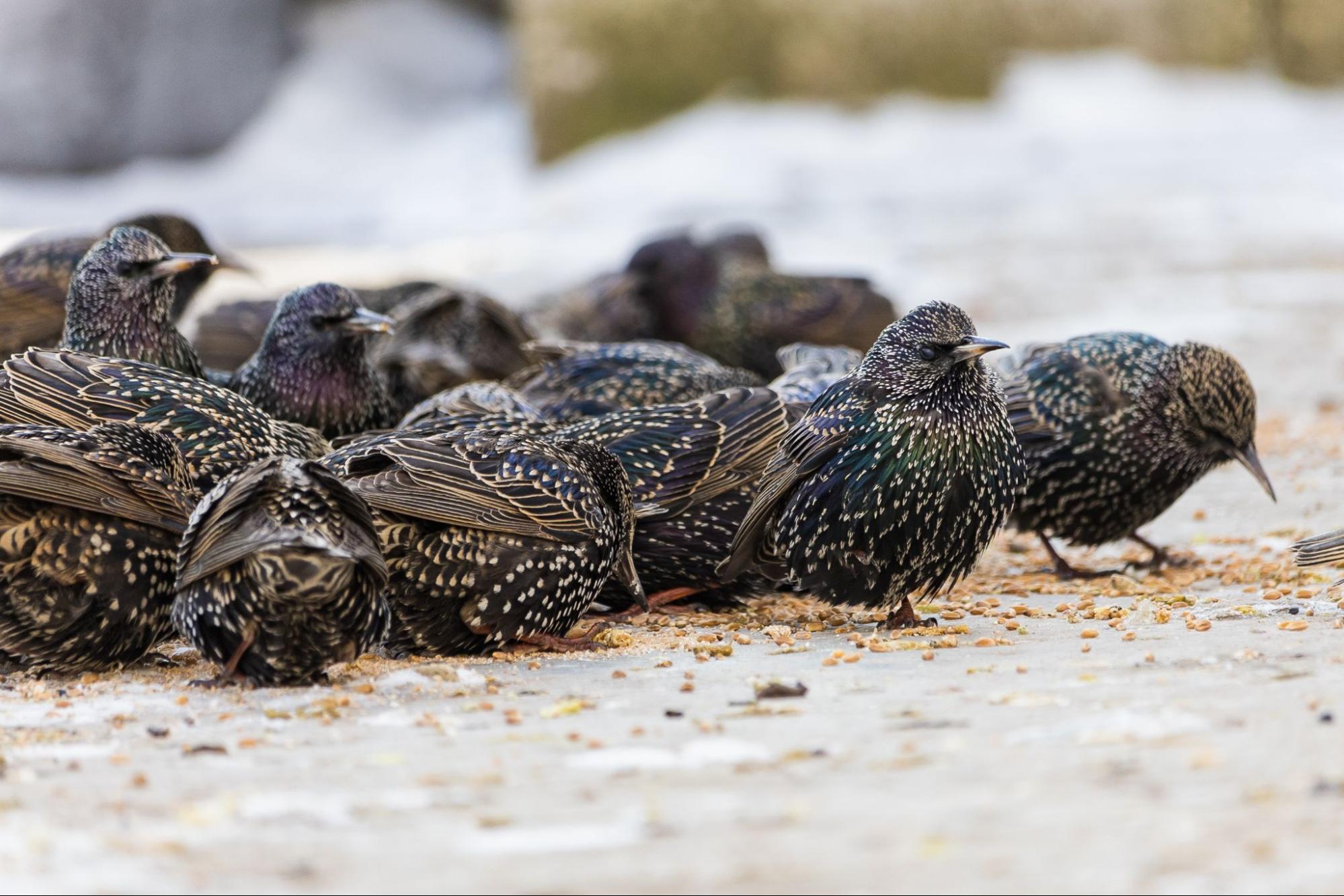
Starlings target open waste bins, food scraps, and grain spills in exposed areas. Leftovers near dumpsters bring flocks closer to buildings. Spilled feed on agricultural or industrial sites increases flock size within days. Urban blocks also attract birds when waste is left unsecured by restaurants or stores. Teams reduce traffic by blocking food access with simple routine steps. This feeding pattern drives much of the daily bird movement.
Starling Prevention With Exclusion and Barriers
Exclusion provides the strongest foundation for starling control by removing access to ledges, gaps, and open structures. Netting covers large areas and shifts birds away from rooftops and loading spaces. Spikes trim landing spots on narrow edges. These methods combine to form a long-term defense.
Bird Netting for Reliable Large-Area Control
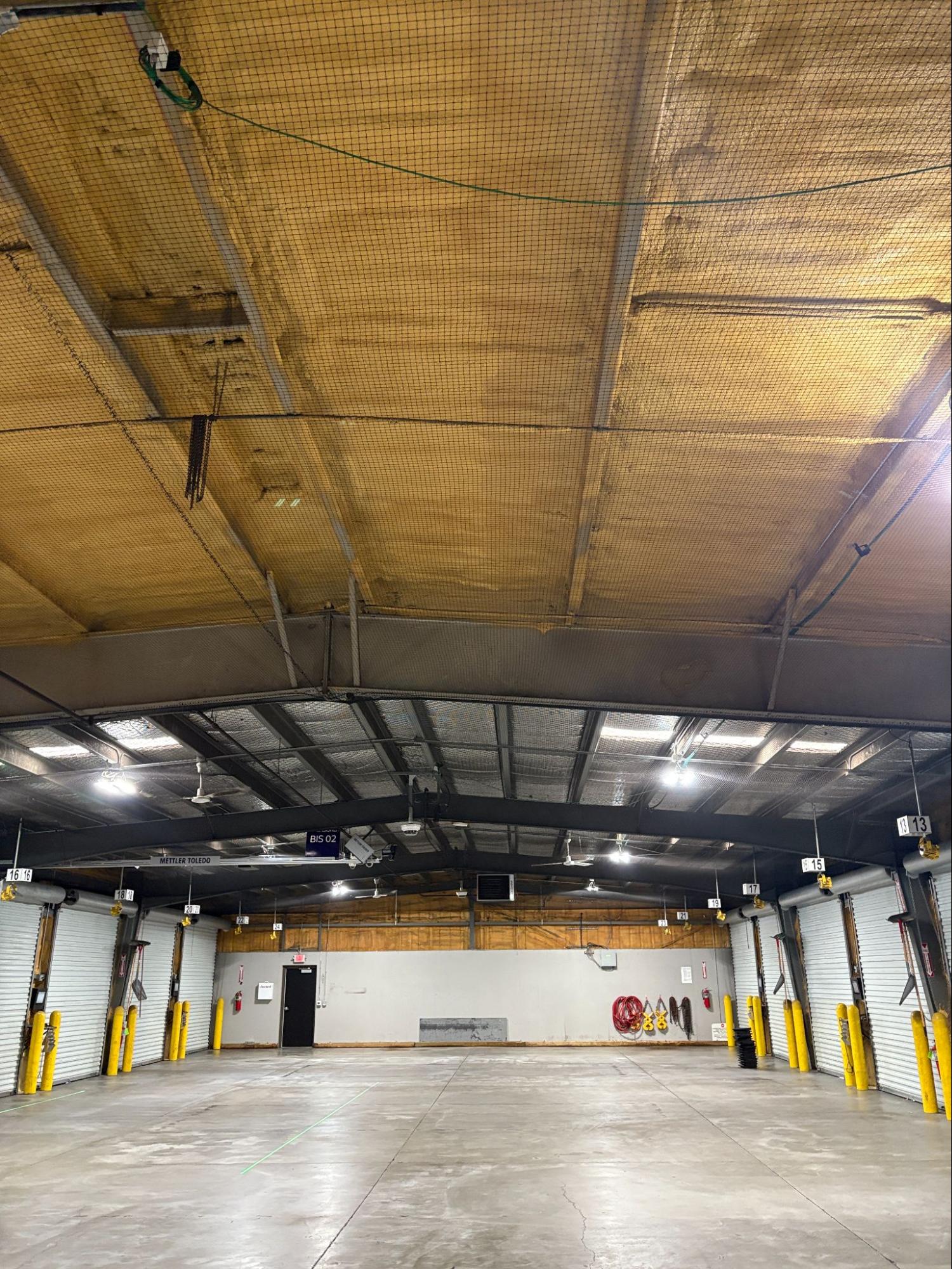
Bird netting blocks starling access to wide roofs, loading docks, and covered walkways with durable mesh that birds cannot push through. Teams secure the net to beams and perimeter cables to form a clean barrier. Netting prevents roosting on flat surfaces and redirects birds into the open air, away from people. Many sites use UV-rated netting that holds up under constant weather shifts. This material performs well in warehouse zones and transit hubs. Netting offers strong coverage for high-pressure sites.
Bird Spikes for Ledges, Signs, and Beams
Bird spikes reduce landing spots on narrow ledges and prevent stable footing for starling groups that gather at dusk. Spikes fit onto beams, rooftop trims, letters, and light fixtures without altering the structure’s shape. Their spacing disrupts bird balance and pushes flocks away. Technicians choose spike width based on ledge size to avoid gaps. Many business owners choose spikes for high-visibility zones because of their discreet design. These tools pair well with netting for full coverage.
Ledge Slopes That Remove Roosting Spots
Slope panels shift the angle of a ledge so starlings cannot perch or form nests on flat surfaces. The tilt forces birds to slide and lose their grip, keeping the space clear. These panels mount with simple brackets and match existing architecture. Panels work well on window ledges, sign backs, and narrow trims. Many owners use slopes where spikes or netting do not fit the layout. Ledge changes shrink roosting options across wide structures.
Sealing Gaps to Block Hidden Nesting
Sealing gaps prevents starlings from entering vents, roof corners, and tight structural pockets where nests can stay hidden. Workers close these points with screens, fillers, and foam blocks that remove entry. Without these gaps, birds cannot anchor nesting material in walls. Sealed spaces stop internal noise and foul smells from spreading. Teams inspect each high-risk area for cracks or openings. This gap control removes many long-term nesting threats.
Starling Deterrents That Shift Bird Behavior
Deterrents guide birds away from buildings with sounds, lights, or movements that disrupt their comfort zones. These tools support exclusion and help install netting or stiff spikes. Each method pushes flocks to relocate without harming birds. Business sites gain flexibility with these solutions.
Acoustic Tools That Interrupt Roosting
Acoustic devices use distress calls and timed pulses that confuse starlings as they gather. The sound disrupts flock signals and breaks group coordination. Units mount near roof edges or large wall panels. Many setups rotate tones to stop birds from adapting. Teams fine-tune volume based on site noise levels. Acoustic control helps wide outdoor yards and industrial complexes.
Visual Disruption Tools for Open Areas
Visual deterrents rely on reflective movement that startles birds as they attempt to land. Spinning rods, moving tapes, and light-catching panels create shifting patterns. Predator decals also add perceived threat in open zones. These tools work best when light changes through the day. The constant movement keeps birds from memorizing patterns. Many sites combine visual tools with spikes for a more substantial effect.
Light Pulses That Break Night Roosting
Light deterrents use brief pulses or controlled brightness changes that unsettle roosting flocks after sunset. Birds lose comfort when resting spaces shift in brightness. Units mount under awnings, overhangs, and structural corners. Timers handle activation, so impact occurs at the right hour. The pulses move birds into the open air away from building edges. Light control strengthens nighttime prevention plans.
Wire Systems for Narrow Perches
Wire systems stretch thin lines across long ledges to provide a stable footing for starlings seeking quiet edges. The wire height interrupts balance, so birds slide when landing. These systems remain discreet and blend with modern buildings. Technicians tension the wire for steady performance. Ledges retain a clean look without adding visual weight. Many sites choose wire systems for storefronts and corporate structures.
Low-Voltage Track Systems for High Pressure
Electric track strips send a light pulse when a bird lands and teach quick avoidance without harm. Tracks fit ledges, parapets, and roof lines. Their slim profile lets them blend into most building materials. The pulse stays mild but memorable for birds. Maintenance stays simple with routine checks. This system works well for spaces with heavy starling activity.
When Professional Bird Control Becomes Essential
Professional bird control is necessary for large or complex properties where starlings adapt quickly to basic deterrents. Experts map risk zones and match solutions to building shape and bird volume. They coordinate spikes, netting, and deterrents in a structured plan. Businesses gain stable long-term control with this guidance.
Warning Signs That Pressure Is Rising
Teams notice growing clusters near doors or vents at dusk. Droppings spread across wider walk areas as flocks grow. Nesting scraps appear in signs and wall joints. Noise increases inside structural voids. Workers report slip hazards near loading edges. These conditions signal the need for expert intervention.
Why DIY Bird Control Often Falls Short
DIY bird control tools rarely match the shape or scale of most commercial structures. Incorrect placement weakens deterrents and helps birds adapt. Netting may sag when installed without proper tension. Spikes may leave gaps birds exploit within days. Cleanup grows harder as activity expands. Many owners call experts when initial attempts fail.
Resolve Starling Issues With Lasting Solutions
Starlings disrupt work cycles and damage structures, so choosing a reliable bird management plan now helps you prevent more serious problems from developing. Netting, spikes, and targeted deterrents shift how birds interact with your property and ease the strain they create each day. These steps support cleaner operations, protect staff movement, and keep your site running without constant interruptions. Businesses that act with a steady strategy gain long-term stability and avoid the rising costs that come when starling pressure grows unchecked.
For fresh ideas that help you manage starlings with confidence, the Elite Bird Management blog offers focused advice built for business settings.

Comments (21)
linezolid generic
linezolid generic
metoprolol generic
metoprolol generic
doryx pill
doryx pill
flagyl 500 mg
flagyl 500 mg
furosemide 40 mg oral tablet
furosemide 40 mg oral tablet
doxycycline for dogs 100mg
doxycycline for dogs 100mg
xenical orlistat review
xenical orlistat review
is vidalista 80 safe
is vidalista 80 safe
pancrelipase tablet dosage
pancrelipase tablet dosage
sémaglutide maroc comprimé
sémaglutide maroc comprimé
semaglutide effetti collaterali
semaglutide effetti collaterali
ozempic breath treatment
ozempic breath treatment
doxycycline medicine price
doxycycline medicine price
flagyl dosage for gastritis
flagyl dosage for gastritis
metronidazole treatment for trichomoniasis
metronidazole treatment for trichomoniasis
ivermectin rosacea long‑term results
ivermectin rosacea long‑term results
ivermectin safety expert review
ivermectin safety expert review
minoxidil absorption profile
minoxidil absorption profile
orlistat contraindication summary
orlistat contraindication summary
amoxicillin drug information
amoxicillin drug information
bronchitis breathing symptoms
bronchitis breathing symptoms