Understanding Different Types of Seagulls and How to Deter Them
Business disruptions often come from sources that seem minor at first glance. Noise, scattered waste, and constant interruptions can quickly affect daily operations and customer experience. Many business owners face these issues without understanding what drives them. Different bird species behave in distinct ways, which directly impacts how control methods perform. In many cases, these ongoing challenges trace back to seagulls.
Types Of Seagulls and Business Impact
Seagulls vary in behavior, size, and responses to human environments. These differences influence how each species interacts with commercial spaces on a daily basis. Some species exhibit bold, aggressive tendencies, while others rely on persistence and group behavior. Recognizing these traits enables businesses to apply more precise, cost-conscious control methods.
Seagull Behavior by Species
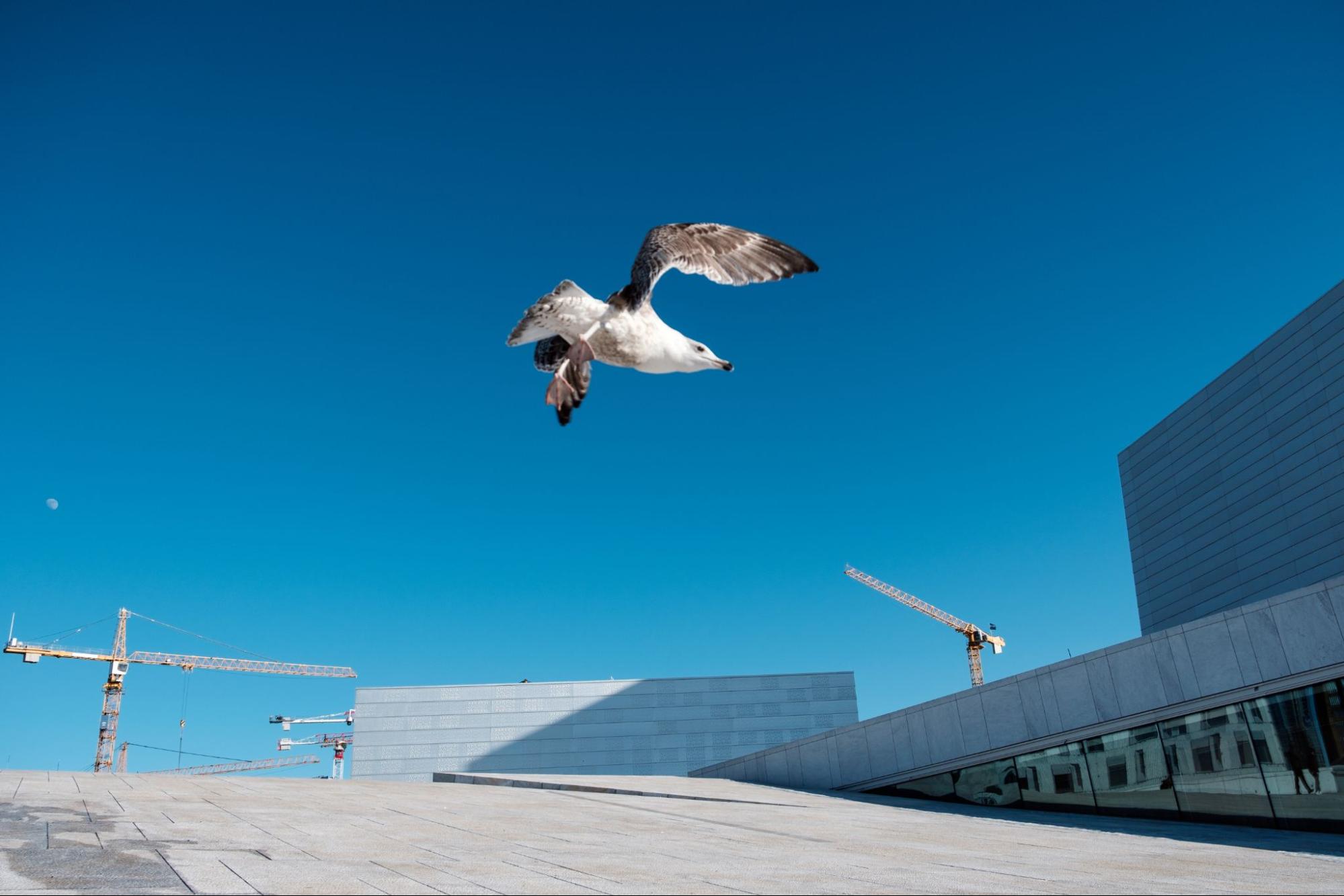
Seagull behavior varies widely across species, which directly affects business exposure. Herring gulls often dominate feeding areas due to their size and assertiveness. Ring-billed gulls rely on steady food sources, especially near waste zones. Laughing gulls move in groups, which increases noise and visible disruption. These behavior patterns influence how often gulls return after disturbances. Understanding these traits helps businesses predict activity and adjust deterrent strategies effectively.
Why Misidentifying Seagull Types Fails
Misidentifying seagull types leads to ineffective control and rising costs over time. Many businesses use general deterrents that fail against adaptable species. Some gulls ignore visual cues, while others quickly adapt to sound cues. Legal protections also differ, which affects how businesses handle removal. This mismatch between species and method often results in repeated infestations. Accurate identification supports targeted action and reduces unnecessary expenses.
Common Seagull Types Near Businesses
Common seagull types are frequently found in commercial areas due to access to food and nesting opportunities. These species adapt well to human activity and often remain in the same locations. Businesses near open spaces or waste sources tend to attract larger numbers. Knowing these species helps owners anticipate behavior and apply suitable control measures.
Herring Gull Traits and Business Risks
Herring gulls are large and highly visible, making them a frequent concern for businesses. They exhibit aggressive behavior, especially in crowded areas with readily available food. These gulls often nest on rooftops, causing ongoing property issues. Their droppings can damage surfaces and create sanitation concerns. This species also returns to the same location repeatedly once established. Businesses dealing with herring gulls often need stronger and more durable deterrent systems.
Ring-Billed Gull Habits In Urban Areas
Ring-billed gulls adapt quickly to urban settings and commercial environments. They often gather in parking lots and near waste disposal areas. These gulls rely heavily on food scraps, which makes waste management a critical factor. While less aggressive, they appear in large numbers, overwhelming outdoor spaces. This group behavior continues to disrupt customer comfort and business operations. Consistent sanitation practices help reduce their presence over time.
Laughing Gull Patterns and Group Behavior
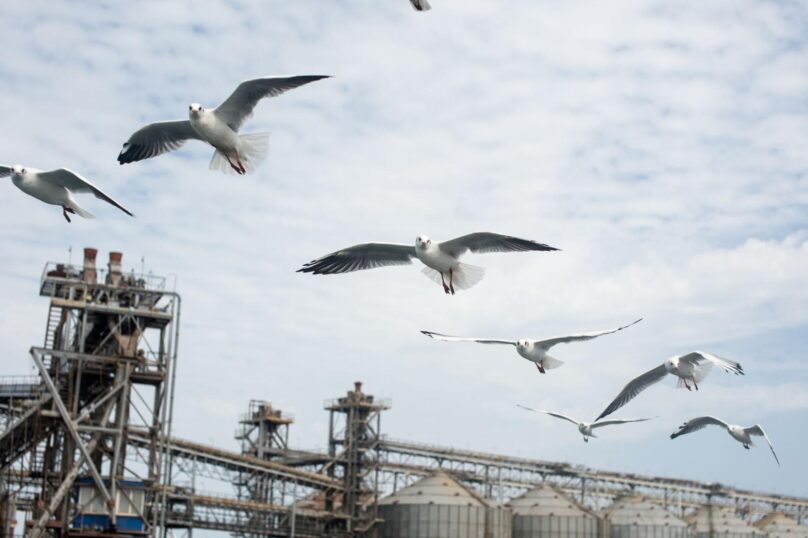
Laughing gulls stand out due to their vocal calls and strong group presence. They often travel and feed in coordinated groups, which increases disruption levels. These gulls prefer coastal zones but adapt to nearby commercial areas. Their group behavior makes single deterrent methods less effective. This seasonal activity can lead to sudden increases in bird numbers. Businesses benefit from flexible strategies that adjust to these changing patterns.
Lesser Black-Backed Gull Growth Trends
Lesser black-backed gulls continue to expand into urban and commercial areas. They compete with other species and often take control of feeding areas. This adaptability allows them to thrive in diverse environments. Their presence creates new challenges for businesses unfamiliar with their habits. Identification can be difficult due to similarities with other gulls. Monitoring this growth helps businesses respond before problems increase.
How Business Design Affects Seagulls
Business design directly influences how and why seagulls choose specific locations. Many properties unintentionally create ideal conditions for feeding, nesting, and perching. Structural features often matter as much as food availability in attracting different types of seagulls. Understanding these design factors helps businesses reduce recurring issues at the source.
Roof Design and Nesting Attraction
Roof design often determines whether seagulls settle or move on quickly. Flat roofs provide open, undisturbed space that gulls prefer for nesting. HVAC units, vents, and equipment create sheltered spots that protect nests from wind. This structural layout allows gulls to remain unnoticed for extended periods. Over time, repeated nesting leads to persistent infestations that become harder to control. Adjusting roof access points and reducing sheltered areas can limit long-term bird activity.
Waste Area Layout and Food Access
Waste area design strongly affects how seagulls locate and return to a property. Open dumpsters or poorly sealed bins create consistent food sources that attract large numbers. This access encourages repeat visits and increases bird presence throughout the day. Even small gaps or overflows can signal reliable feeding opportunities. Businesses often overlook how placement and visibility influence gull behavior. Improving waste containment and positioning reduces attraction and limits repeated activity.
Signage, Lighting, and Perching Spots
Signage and lighting structures often double as perching areas for seagulls. Elevated signs provide clear vantage points where gulls can monitor food sources below. Bright lighting may also attract insects, which some gulls feed on. This combination increases activity around entrances and outdoor areas. Over time, these perching spots lead to droppings and visible mess in high-traffic zones. Modifying these structures or adding deterrents can reduce repeated use by birds.
Outdoor Seating and Customer Zones
Outdoor seating areas naturally attract seagulls because they offer direct access to food. Open layouts allow birds to approach tables without barriers or interruption. This behavior causes frequent disruptions and compromises customer comfort. Leftover food and crumbs reinforce repeat visits and group activity. Businesses often notice increased aggression in these spaces during peak hours. Strategic layout changes and controlled access points help reduce these interactions.
Risks Linked to Seagull Infestations
Seagull infestations create operational and financial risks that grow over time. These risks extend beyond surface-level nuisance and affect daily business performance. Property damage, sanitation concerns, and customer dissatisfaction often occur together. Addressing these issues requires a clear understanding of their direct impact.
Property Damage From Seagull Activity
Seagulls damage property through nesting, droppings, and debris accumulation. Their droppings contain acidic compounds that wear down surfaces over time. Nesting materials often block drainage systems, leading to water buildup. This buildup can lead to structural issues during heavy rainfall. Maintenance teams must address these problems more frequently, increasing costs. Preventive measures help reduce long-term repair expenses and protect infrastructure.
Health Risks and Sanitation Concerns
Seagulls carry bacteria that can contaminate surfaces and food areas. This contamination poses challenges for businesses that adhere to strict hygiene standards. Droppings near entrances or seating areas affect customer perception. Regulatory compliance becomes more difficult when infestations persist without control. This situation can lead to warnings or penalties in regulated industries. Effective deterrent measures support safer, cleaner business environments.
Customer Experience and Brand Damage
Seagull activity disrupts customer experience through noise and aggressive behavior. Customers may feel uncomfortable when birds approach food or seating areas. This disruption often leads to negative reviews and reduced repeat visits. Visible mess and clutter affect how customers view the business as a whole. Competitors with cleaner spaces may attract more attention and traffic. Addressing these concerns helps maintain a strong and reliable brand image.
Seagull Deterrent Methods by Type
Seagull deterrent methods work best when matched to specific species behavior. Different types of seagulls respond to different control strategies. Businesses benefit from combining methods that address both attraction and access. A balanced approach leads to more stable and cost-efficient results.
Physical Barriers for Seagull Control
Physical barriers provide reliable protection against nesting and perching. Bird spikes prevent gulls from landing on ledges and signage. Netting systems block access to rooftops and enclosed areas. Covered waste containers reduce food availability and limit attraction. This structural approach works well for species that rely on fixed nesting sites. Regular maintenance keeps these systems effective over time.
Visual and Sound Deterrents
Visual and sound deterrents disrupt seagull activity without physical contact. Reflective objects and predator decoys create an environment that gulls tend to avoid. Sound systems mimic distress calls to discourage group activity. These methods require variation to remain effective over time. This repeated exposure can lead to adaptation if not managed properly. Combining these tools increases overall effectiveness in dynamic environments.
Professional Seagull Control Services
Professional bird control services offer tailored solutions tailored to species and location. Experts assess conditions and recommend targeted control strategies. This approach considers legal protections related to certain gull species. Businesses benefit from ongoing monitoring and adjustments. This support reduces the likelihood of recurring infestations. Professional involvement often leads to more consistent long-term results.
Choosing the Right Seagull Control Plan
Choosing the right plan depends on property conditions, business type, and gull behavior. Each location presents unique challenges that require tailored solutions. Seasonal changes also influence how seagulls interact with commercial spaces. A well-planned strategy balances effectiveness with long-term cost control.
Assessing Property Risk and Exposure
Property risk depends on location, layout, and nearby food sources. Businesses near water or waste areas often face higher exposure. This location factor increases the likelihood of recurring gull activity. Observing patterns over time helps identify peak activity periods. This insight supports more accurate planning and budgeting decisions. Understanding these risks leads to more practical and effective solutions.
Matching Deterrents to Gull Behavior
Matching deterrents to gull behavior improves overall success rates. Different species respond better to specific control methods. Aggressive species often require stronger physical barriers. More cautious species may respond to visual or sound deterrents. This combined approach reduces reliance on a single method. Adjustments over time help maintain effectiveness as behavior changes.
Handle Seagulls With Precision
Seagull activity rarely slows without deliberate action, and patterns tend to strengthen over time. Businesses that apply structured bird management gain better control over behavior and long-term costs. Each adjustment, from property design to deterrent selection, influences how seagulls interact with the space. A focused bird management approach reduces recurring issues and supports a cleaner, more controlled environment. Consistent, informed action keeps operations steady and protects the overall business experience.
Visit the Elite Bird Management blog for focused guidance that helps you manage seagulls with precision and confidence.