Bird Netting for Aircraft Hangars: What Aviation Facility Managers Should Know
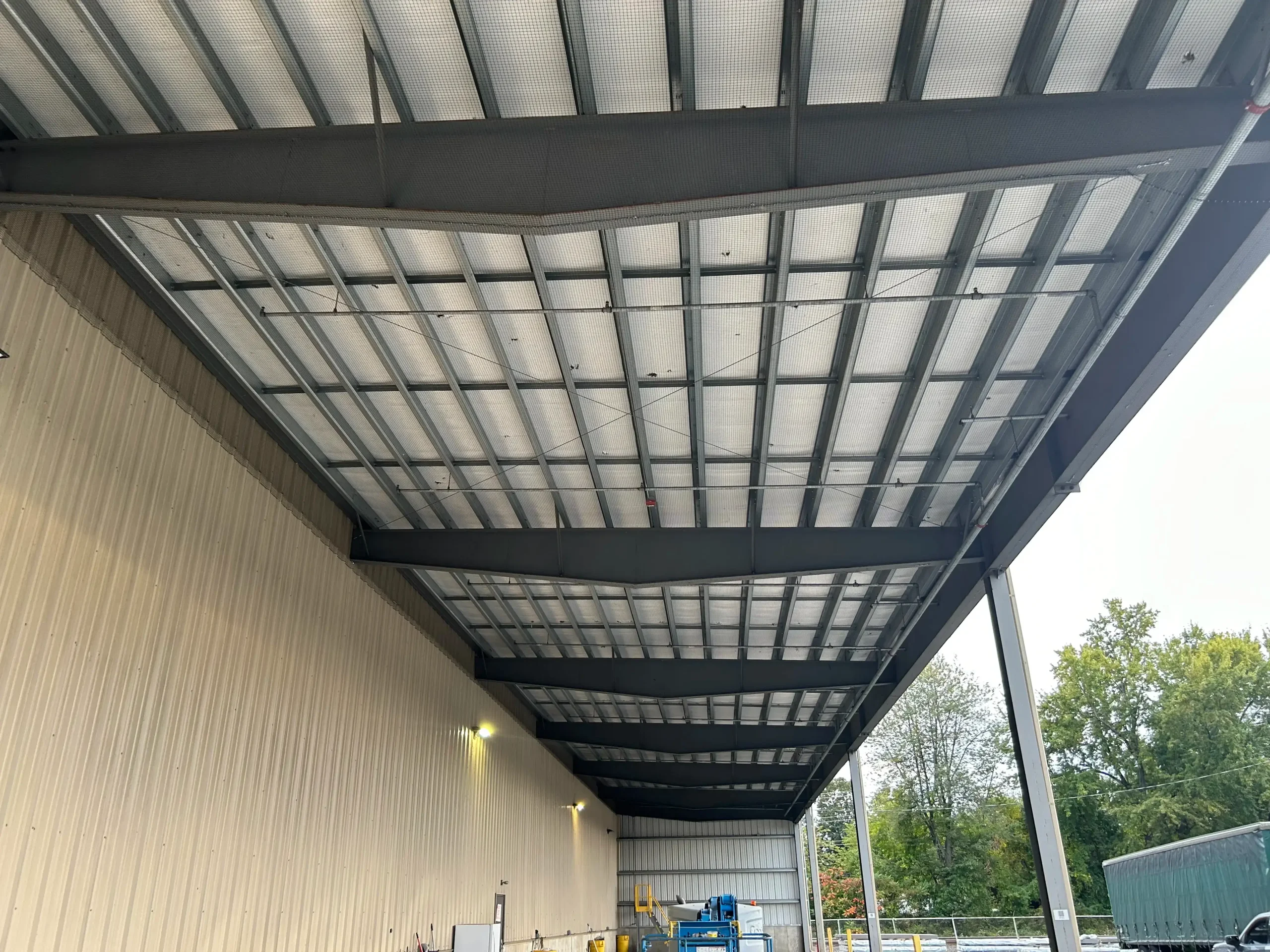
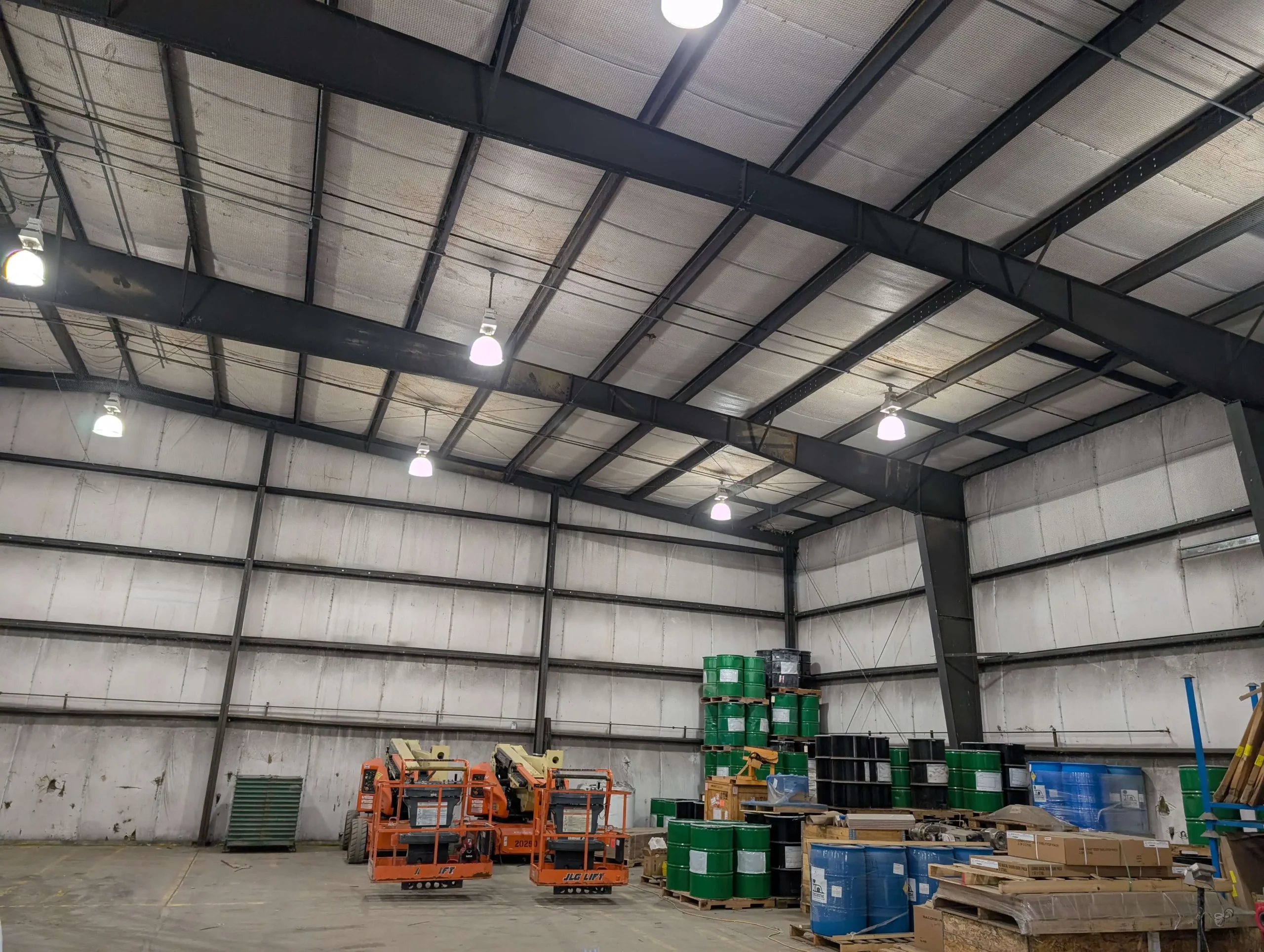
Aircraft hangars offer birds everything they look for: high steel trusses, shelter from the weather, and big doors that stay open for hours. For aviation teams, that means droppings on fuselages, nesting debris near engines, and extra cleaning before flights. Bird netting gives hangars a lasting physical barrier that keeps birds out of the rafters, and exclusion systems designed for large structures can cover even the widest spans.
Why Birds Are a Serious Problem in Hangars
A few birds in a warehouse create a mess. A few birds in a hangar can create a safety concern that affects aircraft, crews, and schedules. The risk grows in facilities that house high-value aircraft or run tight turnaround times.
Droppings and Corrosion
Bird droppings are acidic and can damage paint, coatings, and sensitive surfaces. On aircraft, that adds inspection and cleaning time, and many operators end up washing planes more often than their schedules call for. Large buildups also carry health risks, since the CDC links accumulated droppings to histoplasmosis.
Nesting Debris and FOD Risk
Nesting material, feathers, and droppings can turn into foreign object debris (FOD). Loose debris near engines, intakes, or open panels is exactly what maintenance teams work so hard to prevent. Even small amounts of debris can trigger extra walkarounds before a flight. Droppings on floors and walkways also create slip hazards for technicians.
Species That Favor Hangars
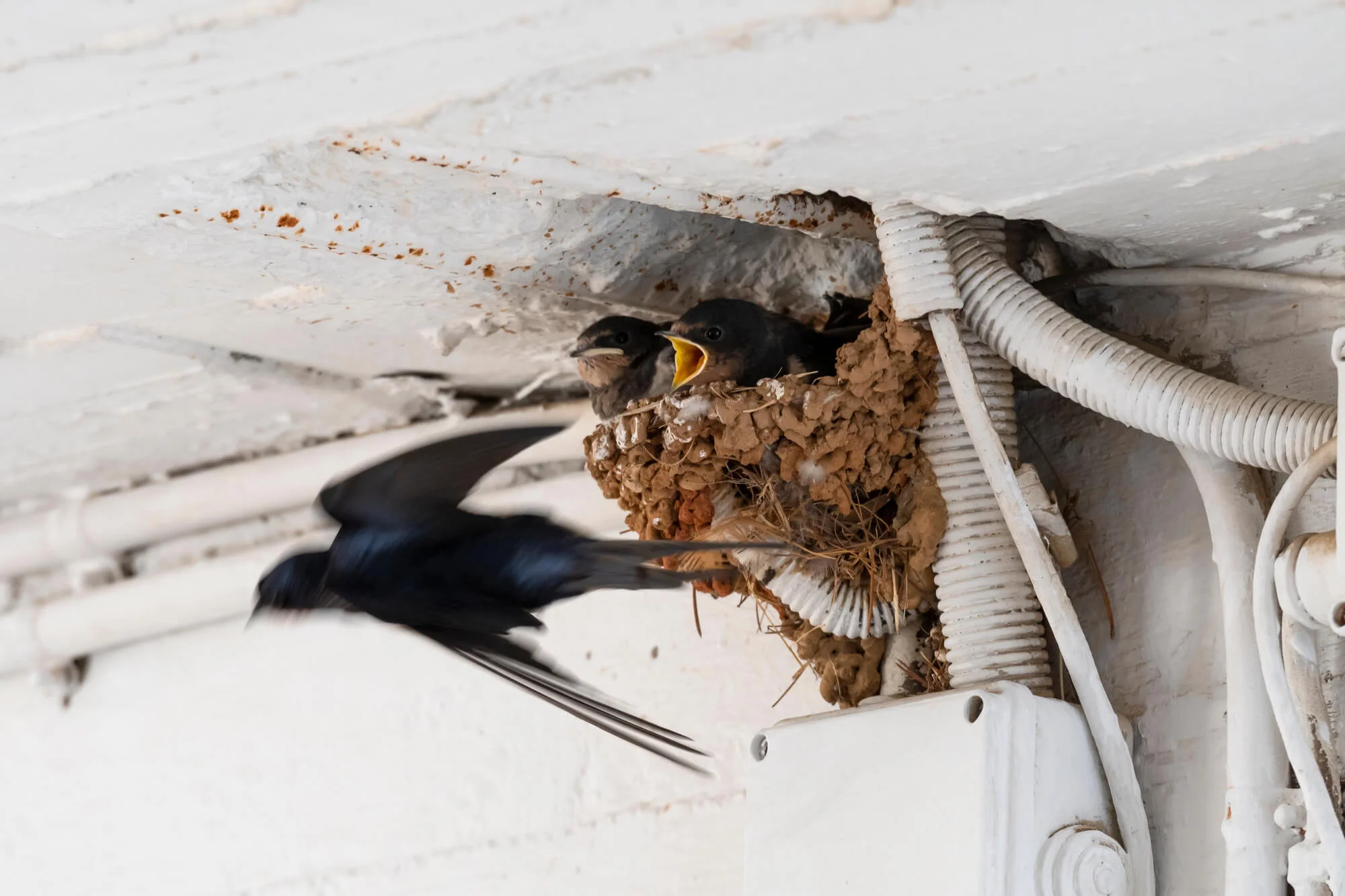
Sparrows and starlings squeeze into the smallest gaps in truss work. Starlings often arrive in large groups, so a small problem can grow quickly. Pigeons roost on beams and ledges, while swallows build mud nests under eaves during warmer months. Gulls can add to the problem at coastal airports.
Each species brings its own habits, so the right solution depends on who’s moving in.
Why Common Deterrents Fall Short in Hangars
Hangars are tall, open, and busy. Noise devices and visual scare tactics lose their effect as birds get used to them, and spikes can’t cover the inside of a wide truss system. Open doors also let new birds in throughout the day.
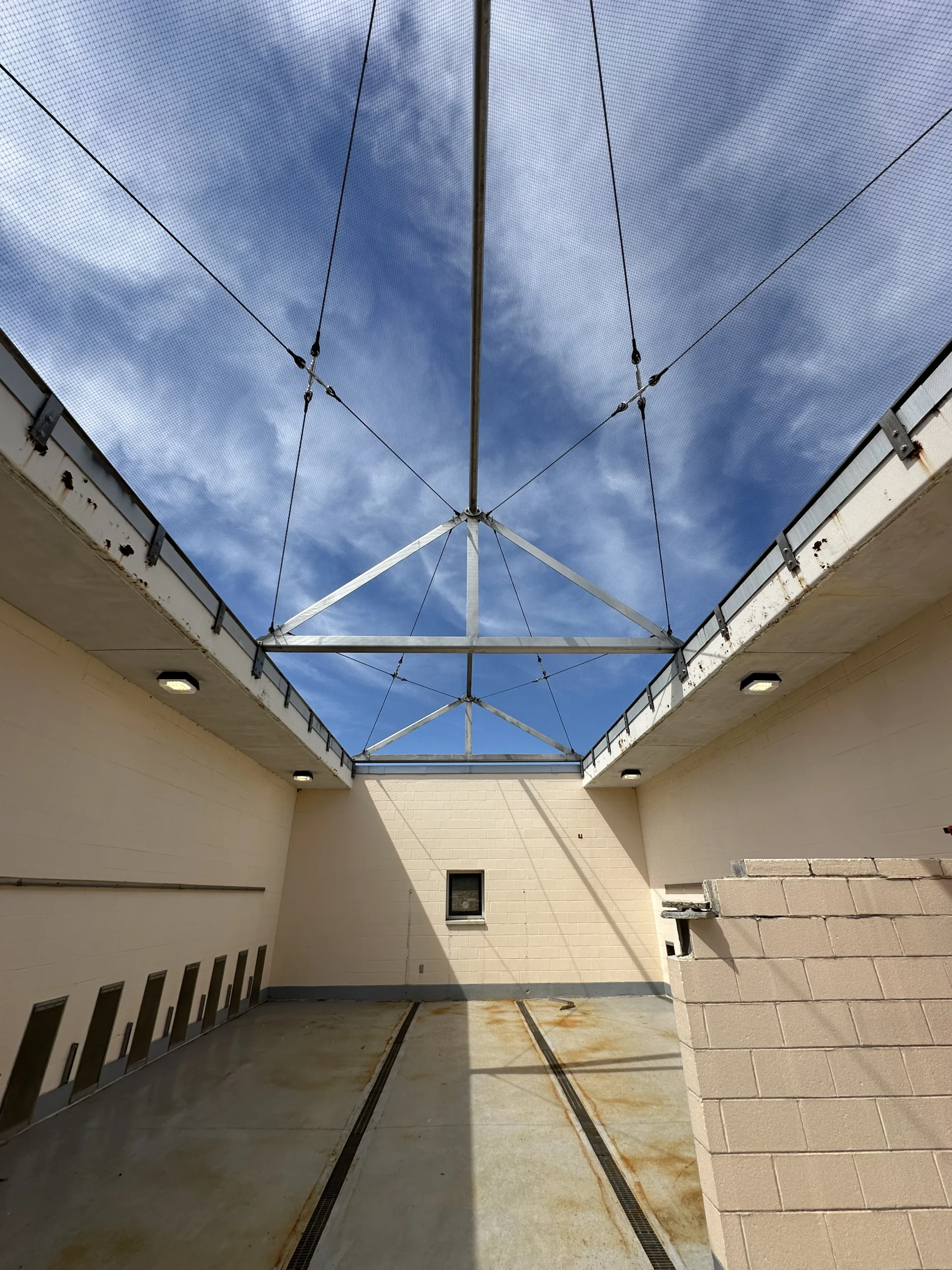
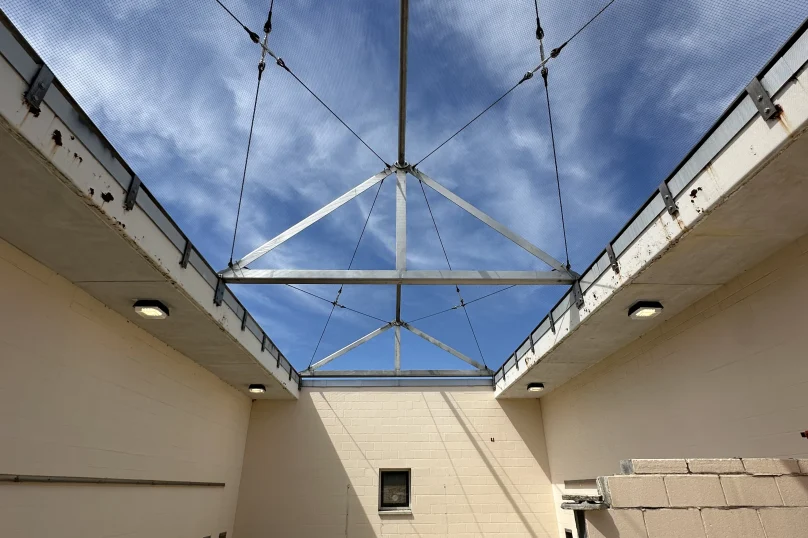
Netting closes off the roof structure entirely. That’s why it serves as the go-to option for most hangar projects.
Connection to Airfield Wildlife Programs
Hangars sit inside a broader wildlife picture. The FAA’s guidance on hazardous wildlife attractants near airports encourages airports to limit features that draw birds to the property. Keeping birds out of hangars removes one more source of shelter on the airfield. Many airports also track bird strikes and wildlife activity, and hangar improvements fit naturally into that effort.
The Cost of Cleaning Instead of Preventing
Many hangars rely on staff to wash aircraft and sweep floors after birds move in. That approach keeps things presentable for a while but never addresses the cause.
Each cleanup takes technician hours away from scheduled maintenance. Repeated washing can also wear down protective coatings faster. Over a year, those hours can become a real expense, especially in busy maintenance or corporate aviation facilities.
Netting addresses these issues at the source, though hangar installations come with their own set of considerations.
What Makes Hangar Netting Different
Hangars rank among the largest open structures in commercial construction. Netting has to span long distances, hold its shape for years, and stay out of the way of daily operations. Each of these factors affects cost and schedule, so they belong in early planning conversations.
Clearance and Door Operation
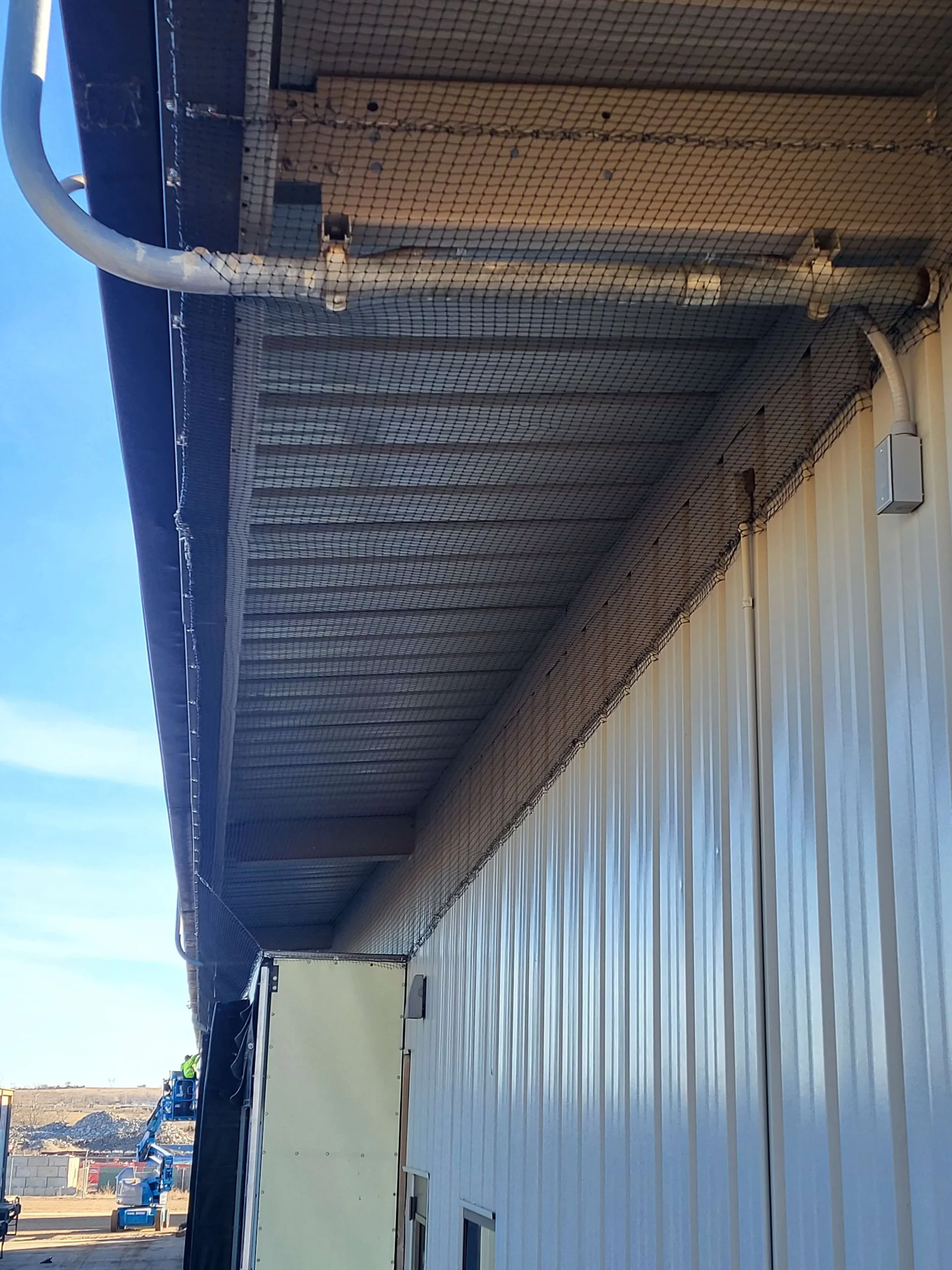
Netting typically installs along the truss line, well above aircraft tails and overhead equipment. Installers plan around hangar doors, cranes, and lighting so everything keeps working as designed. Careful measurements leave room for tall tails and maintenance stands.
Access for Maintenance
Lighting, fire protection, and HVAC systems still need regular servicing. Well-designed systems include zippered openings or access panels so technicians can reach equipment without taking netting down. Planning these openings during design avoids headaches later.
Mesh Size and Materials
Mesh size depends on the target species. Smaller birds like sparrows need a tighter mesh than pigeons do. UV-stabilized, commercial-grade materials help systems hold up in demanding environments, including hangars with large temperature swings. A provider should explain why they chose a specific mesh for your site.
Planning a Hangar Installation
Crews usually work from lifts, moving section by section across the ceiling. Schedules can flex around aircraft movement, with installers shifting to open bays as planes come and go. Many facilities schedule work during slower seasons or overnight shifts to limit disruption. Before closing off an area, the team gives birds a chance to leave and handles any protected nests lawfully.
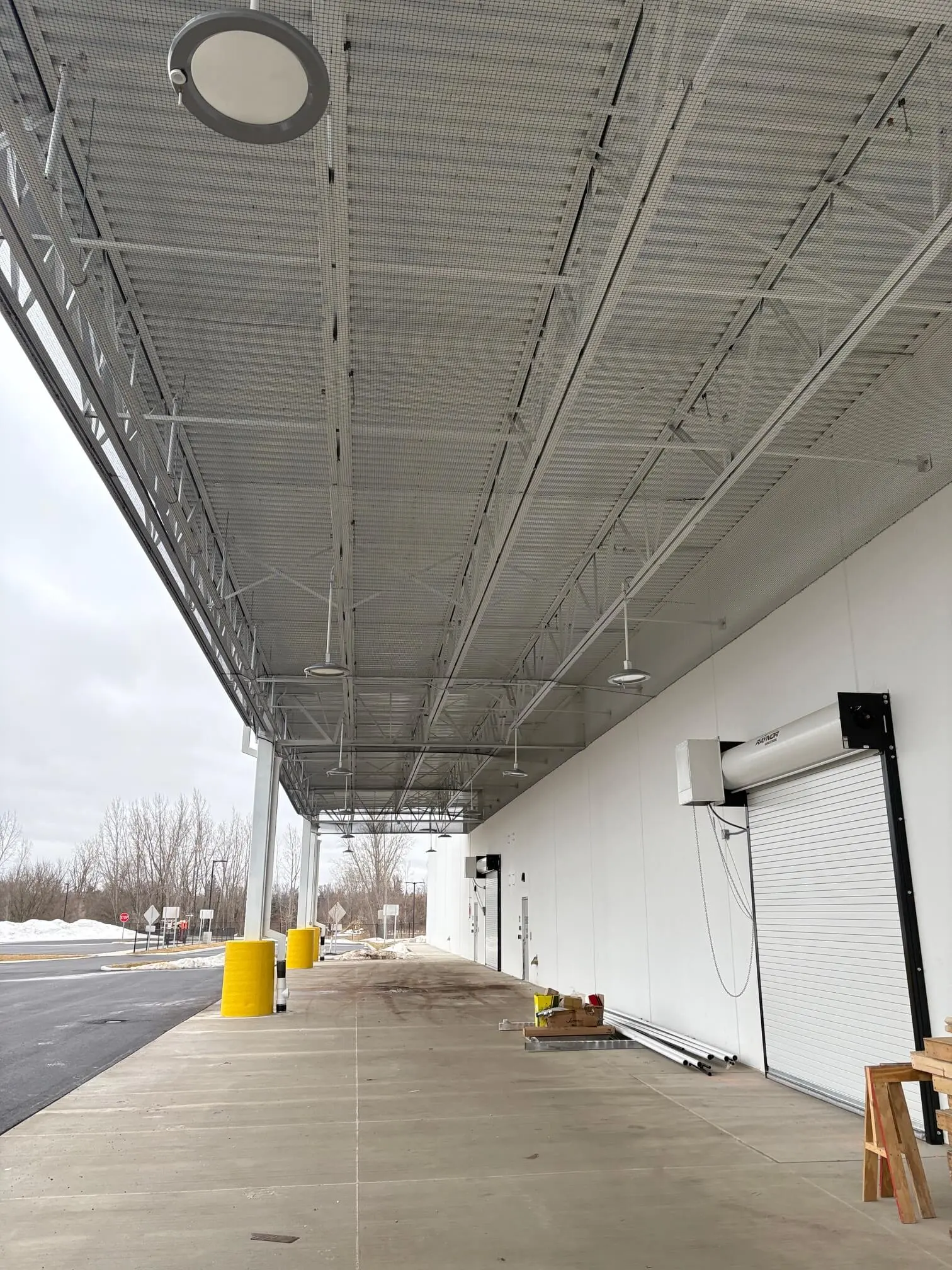
Exterior ledges and door tracks often benefit from deterrent systems that complement the netting inside. Door tracks are a common entry point, so they deserve attention during design. For a wider view of aviation facilities, explore how airports are building smarter bird-control programs.
Frequently Asked Questions
Will Netting Interfere With Hangar Operations?
Properly installed netting sits high in the structure, above aircraft and equipment. Doors, cranes, and lights keep working normally.
Can Crews Install Netting While the Hangar Is in Use?
In most cases, yes. Crews work section by section and coordinate with operations to keep aircraft moving. Installers can also shift to another bay if an aircraft needs to move unexpectedly.
How Long Does Hangar Netting Last?
Commercial-grade netting can last many years with proper installation and periodic inspection. Regular checks catch wear or damage before it becomes a problem.
Does Netting Support Airport Wildlife Programs?
Netting removes shelter that can attract birds to airport property. The FAA’s airport wildlife resources explain how hazard management plans work, and teams with airport and transportation experience can align projects with those plans.
Is Netting Safe for the Birds?
Yes. Netting acts as a barrier, not a trap. Birds can’t reach the protected area, so they move on to other locations.
Protect Your Aircraft With Bird Netting
A bird-free hangar means cleaner aircraft, safer crews, and fewer surprises during preflight checks. For these demanding spaces, netting offers one of the most dependable long-term answers. It also gives maintenance teams more time for the work that matters most.
Elite Bird Management was named Airport Bird Control Services Company of the Year for 2026 by Transportation Review Magazine, and our crews install hangar netting nationwide. Contact our team to request a free consultation, and we’ll design a system around your facility and its operations.