What Commercial Property Owners Should Know About Starlings
Maintaining a clean and professional business environment requires constant attention to unexpected challenges. Persistent bird activity can quickly disrupt that balance, especially when flocks gather around rooftops and entryways. Their adaptability to human spaces makes them difficult to manage once they settle in. The resulting damage, noise, and sanitation concerns can affect daily operations and tenant satisfaction. Clear insight into starling behavior helps property owners protect their investments and maintain a professional image.
Starling Behavior and Habits
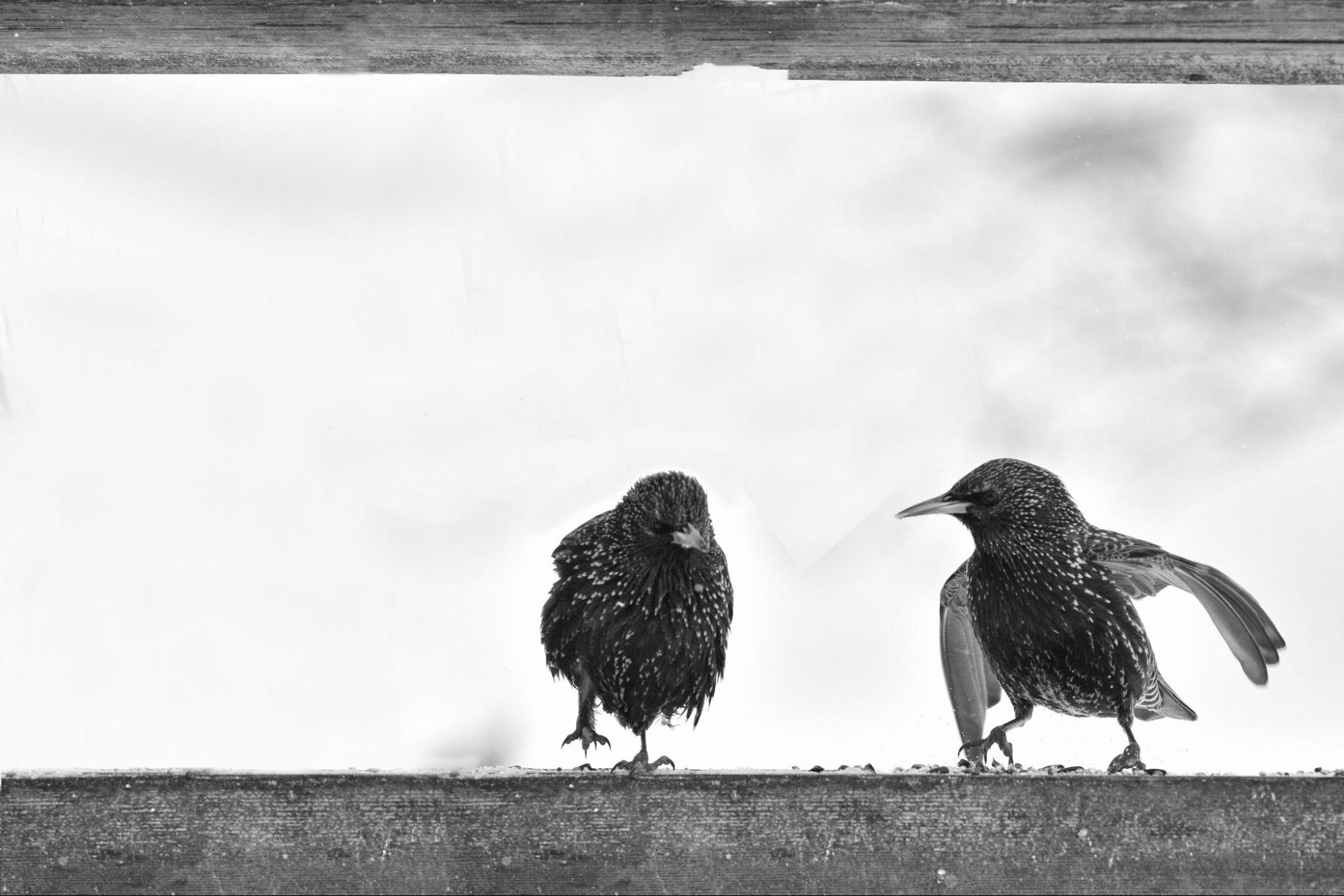
Starlings exhibit strong flocking behavior and regularly return to familiar roosting sites. These birds prefer structures that provide warmth, shelter, and easy access to food. This pattern explains why commercial properties attract repeated bird activity over time. Recognizing these habits helps property owners respond with more effective control strategies.
Identifying Starlings on Buildings
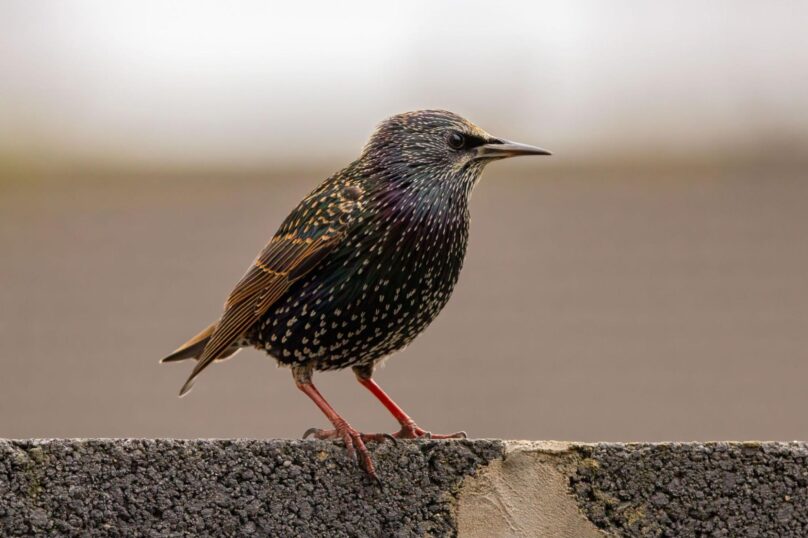
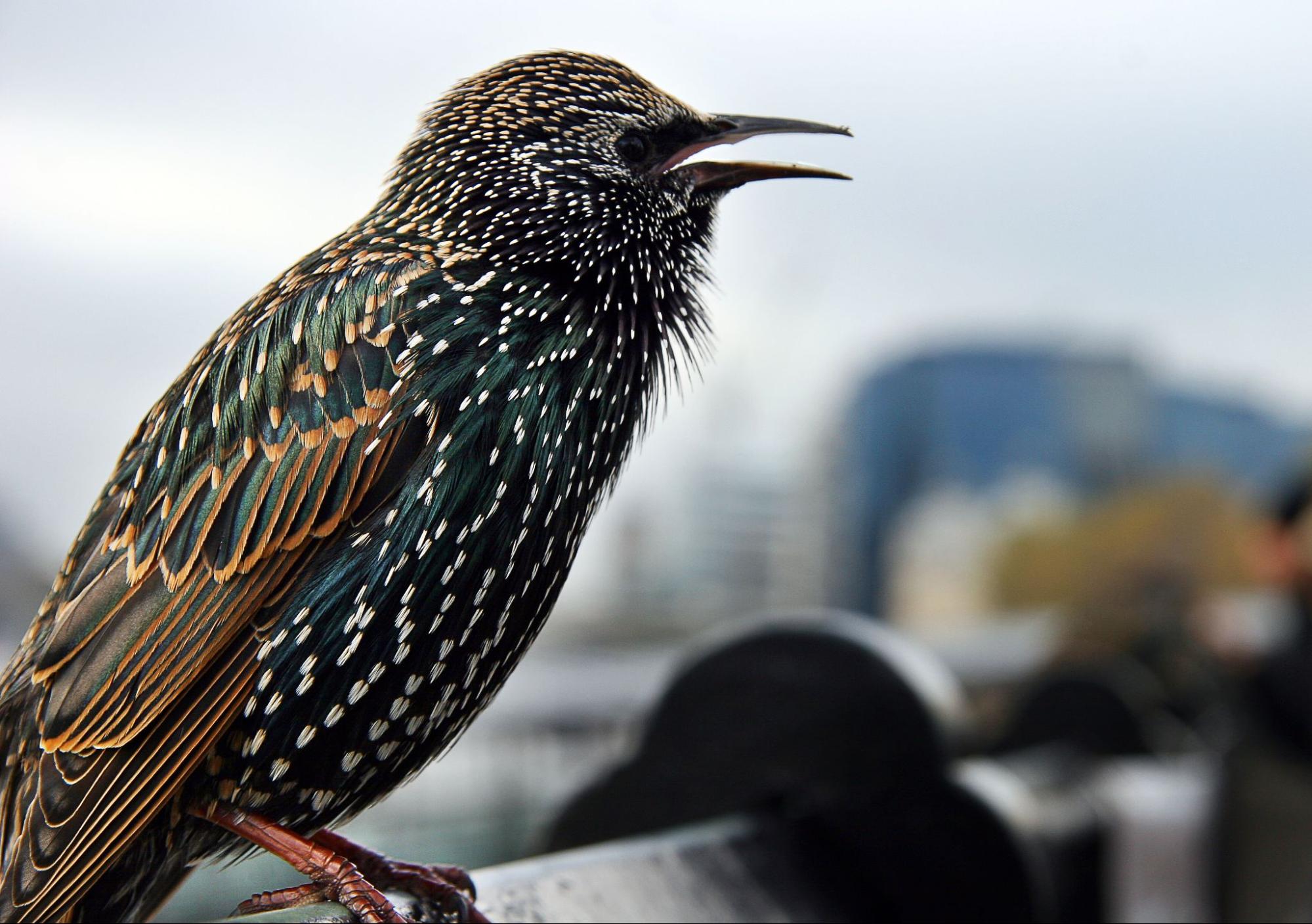
Starlings have dark, glossy feathers that reflect green and purple tones under sunlight. During certain seasons, light speckles appear across their bodies, which helps with identification. These birds move in dense flocks that create shifting patterns in the sky, often called murmurations. Their calls sound sharp and varied, which adds to noise concerns near business areas. You may also notice droppings concentrated on ledges, rooftops, and entryways, which indicates repeated roosting. This activity pattern becomes more noticeable in the late afternoon, when flocks gather in large numbers.
Why Starlings Choose Buildings
Starlings choose commercial buildings because they offer consistent shelter and food opportunities. Ledges, signage, and roof gaps create protected spaces for nesting and resting. Nearby trash bins and food waste provide reliable feeding sources that attract returning birds. Artificial lighting extends activity periods, which increases their presence during evening hours. Once they establish a roost, they tend to return to the same location repeatedly. This behavior pattern turns small bird activity into a recurring problem for property owners.
Overlooked Starling Entry Points
Starlings exploit small, often ignored openings in commercial structures to establish nests and roosts. These birds look for sheltered areas that offer protection from the weather and predators. This behavior leads them to spaces that property owners rarely inspect during routine maintenance. Identifying these hidden entry points helps reduce the likelihood of recurring infestations.
Gaps in Signage and Facade Features
Signage structures and decorative facades often contain small gaps that attract starlings. These spaces provide warmth and concealment, making them ideal for nesting. Birds can enter through loose panels or unsealed edges at the back of mounted signs. Over time, nesting materials accumulate, placing additional strain on these structures. This buildup may also trap moisture, which leads to gradual material damage. Regular inspection of signage areas helps detect early signs of bird activity.
HVAC Units and Rooftop Equipment
HVAC systems and rooftop equipment create sheltered spaces that starlings frequently use. These units often have small openings or protective housings that allow easy access. Warm air from these systems makes the environment more appealing for nesting. Birds may also bring debris that interferes with airflow and system performance. This interference can increase energy costs and reduce equipment lifespan. Routine maintenance checks should include these areas to prevent hidden infestations.
Loading Docks and Canopy Structures
Loading docks and canopy structures provide shaded, quiet areas that attract starlings. These locations often remain undisturbed for long periods, which allows birds to settle easily. Steel beams and overhead supports create stable perching and nesting spots. Droppings in these areas can accumulate quickly, affecting daily operations. This buildup may also create slip hazards for workers and delivery personnel. Monitoring these spaces helps maintain safety and cleanliness.
Rooflines, Vents, and Small Openings
Rooflines and ventilation systems contain small openings that starlings can exploit. Even narrow gaps allow birds to enter and build nests inside walls or ceilings. Once inside, they create noise and leave debris that becomes difficult to remove. This hidden activity often goes unnoticed until damage becomes visible. Installing vent covers and sealing gaps effectively reduces access points. This preventive step limits long-term issues and supports overall building integrity.
Risks from Starling Infestations
Starling infestations create operational, structural, and reputational challenges for commercial properties. These birds produce waste that damages surfaces and increases cleaning demands across the site. This situation also affects tenant satisfaction and visitor perception in visible areas. Addressing these risks helps property owners maintain both safety and long-term value.
Property Damage from Bird Droppings
Starling droppings contain acidic compounds that corrode building materials over time. Roofs, metal fixtures, and painted surfaces often show wear over time. Nesting debris can clog drainage systems, which leads to water buildup and leaks. These issues increase repair costs and require more frequent maintenance work. Cleaning crews must remove droppings regularly to maintain a safe environment. This ongoing effort adds to operational expenses and reduces efficiency.
Health Risks Linked to Bird Waste
Starling droppings carry bacteria and fungi that can affect air quality in commercial spaces. When droppings dry, particles may enter ventilation systems and circulate indoors. This exposure can affect employees, tenants, and visitors, especially in enclosed areas. Slippery walkways also increase the risk of accidents near entrances and loading zones. Accumulated nesting materials may attract insects, which creates additional sanitation concerns. This risk profile requires consistent cleaning and control measures.
Business Impact and Tenant Concerns
Starling activity affects how people perceive a commercial property during daily visits. Customers often associate visible droppings and noise with poor maintenance standards. Tenants may raise complaints when bird activity disrupts their operations or customer experience. This dissatisfaction can lead to lease concerns or reduced tenant retention. Negative feedback may also appear online, which influences potential clients and partners. This perception issue underscores the importance of effectively managing bird activity.
Starling Laws and Compliance
Starlings fall under a different legal category than many native bird species. These birds are considered non-native, allowing greater flexibility in control methods. This classification helps property owners take action without strict federal restrictions in many cases. Understanding local rules still matters to avoid fines or compliance issues.
Regulations on Starling Bird Control
Starlings are not protected under federal migratory bird laws, which simplifies control efforts. Property owners can use various deterrents without special permits in many situations. Local ordinances may still limit certain methods, so checking regulations remains important. This step prevents delays and supports the proper implementation of control measures. Misunderstanding rules can create legal complications that affect timelines and budgets. This awareness helps property owners manage infestations with confidence.
Liability for Commercial Property Owners
Property owners must maintain safe conditions for tenants and visitors at all times. Bird-related hazards, such as slippery surfaces, can lead to liability claims if accidents occur. Insurance providers may require documentation of maintenance and prevention efforts. This documentation shows that reasonable steps were taken to manage risks. Lease agreements may also outline responsibilities related to property upkeep and safety. This approach helps reduce legal exposure and supports better risk management.
Effective Starling Bird Control Methods
Starling control requires a mix of physical barriers and environmental adjustments. These methods work best when applied consistently across the property. This combined approach addresses both nesting behavior and food sources. Property owners benefit from strategies that reduce long-term bird activity.
Physical Barriers for Bird Control
Physical barriers prevent starlings from landing and nesting on common surfaces. Bird spikes installed on ledges create uneven surfaces that discourage perching. Netting can block access to open spaces such as loading docks or covered areas. Sealing gaps in roofs and walls reduces entry points for nesting. These solutions require proper installation to remain effective over time. This maintenance effort keeps deterrents functioning as intended.
Environmental Changes to Deter Birds
Environmental changes reduce the factors that attract starlings to commercial properties. Proper waste management limits food availability and discourages repeat visits. Securing trash bins and maintaining clean surroundings make the area less appealing. Landscaping adjustments can reduce shelter opportunities for nesting birds. Lighting changes may also limit activity during nighttime hours. This approach supports long-term control by addressing root causes.
Professional Bird Control Services
Professional bird control services provide targeted solutions tailored to a property’s layout and infestation level. Experts conduct inspections to identify nesting areas and entry points across the site. They use humane control methods that comply with local regulations and industry standards. Ongoing service plans help maintain results and prevent future infestations. This option reduces the burden on property management teams. This investment often lowers long-term maintenance costs.
How to Prevent Starling Infestations
Preventing starling infestations involves consistent monitoring and property maintenance. These birds return to familiar locations, which makes prevention more effective than reactive control. This strategy reduces long-term costs and operational disruptions. Property owners who stay proactive maintain cleaner and more stable environments.
Conduct Routine Inspections for Birds
Routine inspections help identify early signs of starling activity across the property. Maintenance teams should check roofs, vents, and ledges for droppings or nesting materials. This process allows quick action before the problem expands. Regular cleaning also discourages birds from returning to the same spots. Staff awareness improves response time when a new activity appears. This routine supports consistent prevention efforts.
Design Bird-Resistant Building Features
Bird-resistant design reduces the number of surfaces where starlings can perch or nest. Sloped ledges limit stable landing areas and discourage long stays. Protective covers over vents block access to internal spaces. Durable materials resist damage caused by droppings and weather exposure. Retrofitting existing structures can improve resistance without large renovations. This design approach supports long-term property protection.
Train Staff to Spot Bird Activity
Staff awareness strengthens the overall response to starling activity on commercial properties. Employees can report early signs, such as droppings or an unusual number of birds. Clear reporting systems help management address issues quickly and efficiently. Training also encourages proper waste handling, reducing food waste. This involvement creates a shared responsibility for maintaining clean spaces. This coordinated effort improves prevention outcomes.
Protect Property from Starlings Now
Starlings create ongoing challenges that affect property condition, safety, and tenant satisfaction. These birds return to familiar locations, increasing the likelihood of repeated infestations. This pattern makes consistent bird management and prevention strategies necessary for long-term success. Property owners who apply elite bird management practices can maintain cleaner environments and protect their business reputation.
Learn how to stay ahead of starling issues with practical insights from the Elite Bird Management blog.